
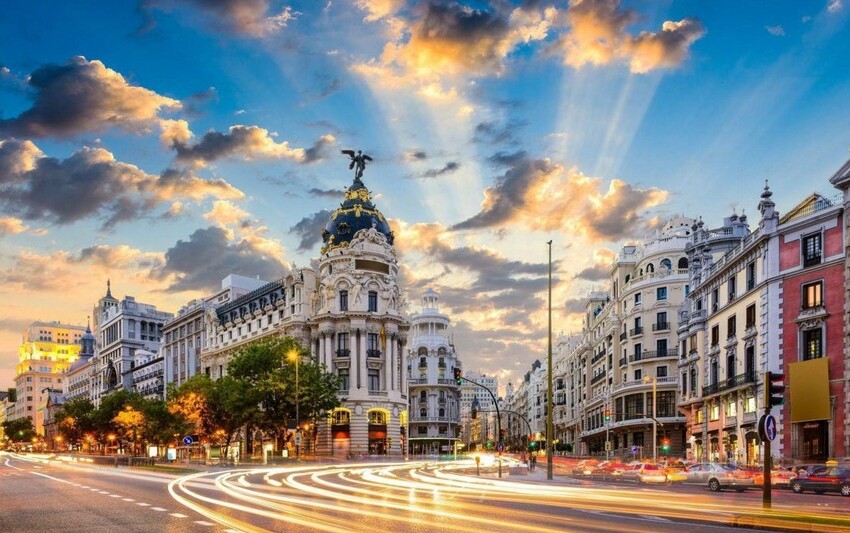

Few cities boast an artistic pedigree quite as pure as Madrid’s. Nestled at the heart of Spain, this vibrant capital city has been a cultural crucible for centuries, where history, art, and culinary delights converge to create an unforgettable experience for visitors. The origins of Madrid stretch back to the 9th century, when the Moors established a fortress on the site of what is now the Royal Palace. The city has evolved dramatically since then, becoming the capital of Spain in 1561 under the reign of King Philip II. This pivotal moment marked the beginning of Madrid's ascent as a center of political and cultural power. Over the centuries, the city has witnessed significant events, from the Spanish Civil War to the vibrant protests of the Movimento 15-M in 2011, each leaving its imprint on the city’s identity.
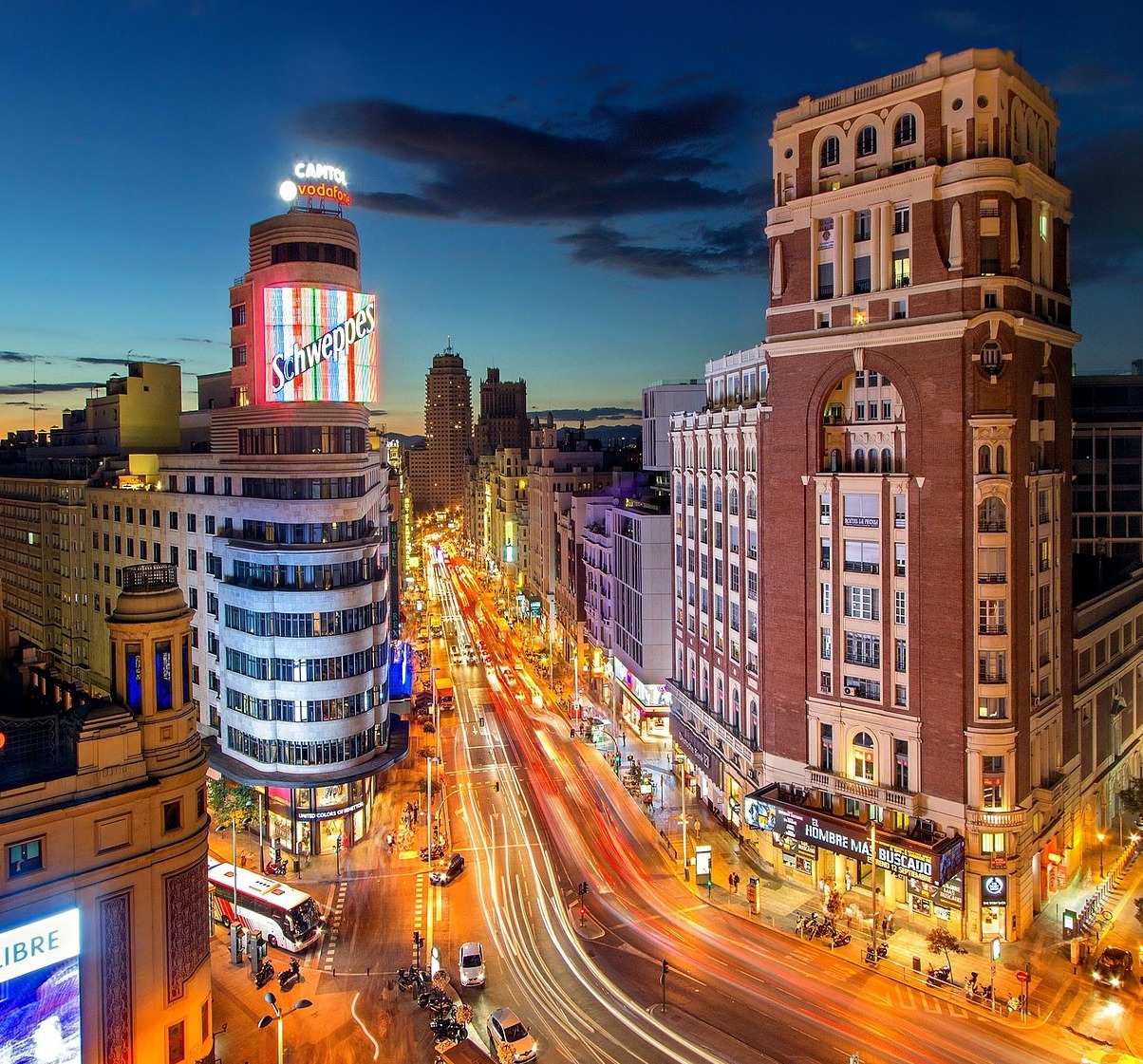
Artistic pursuits have always flourished in Madrid, with the city often regarded as the epicenter of Spanish art. The Museo del Prado, established in 1819, houses works by giants such as Francisco Goya and Diego Velázquez, including the renowned masterpiece Las Meninas. Just a short walk away, the Museo Thyssen-Bornemisza showcases a private collection that spans from the 13th century to the late 20th century, while the Centro de Arte Reina Sofía is home to Pablo Picasso’s monumental work, Guernica. Together, these museums form the Golden Triangle of Art, a must-visit for any art lover. Beyond the canvases, Madrid's architecture is equally captivating. The Plaza Mayor, with its grand arcades and historical significance, and the iconic Palacio de Cibeles, an exquisite example of early 20th-century architecture, reflect the city’s rich historical tapestry.
Local culture in Madrid pulsates with life, driven by a blend of traditional customs and modern influences. The Semana Santa, or Holy Week, is a significant event where processions fill the streets, showcasing the city’s deep-rooted religious traditions. Another vibrant festival is the Fiestas de San Isidro, held in May to honor the patron saint of Madrid, featuring music, dance, and the iconic chulapas in traditional attire. The lively atmosphere is contagious, often spilling into the lively neighborhoods of Malasaña and La Latina, where street performances, small galleries, and artisanal markets thrive.
When it comes to gastronomy, Madrid is a delight for the senses. Don’t miss the opportunity to savor tapas, small dishes that range from patatas bravas to croquetas. The Mercado de San Miguel is a culinary haven where you can sample local delicacies like jamón ibérico and freshly prepared paella. To wash it down, try a glass of tinto de verano, a refreshing wine spritzer, or indulge in the traditional chocolate con churros for a sweet treat.
While many tourists flock to the major attractions, there are hidden gems that tell unique stories. For instance, the Temple of Debod, an ancient Egyptian temple, was gifted to Spain in 1968 and offers breathtaking sunset views over the Casa de Campo. Another lesser-known site is the Calle de Vallehermoso, where you can find one of the oldest cider houses in the city, serving authentic sidra from the Asturias region. These details breathe life into Madrid’s narrative, making each corner a discovery.
The best time to visit Madrid is in the spring (March to June) or fall (September to November), when the weather is pleasant and the city’s parks bloom with color. To explore the city like a local, consider using the Madrid Metro, one of the most efficient public transportation systems in Europe. Be sure to take a stroll through Retiro Park, where you can enjoy a peaceful afternoon by the lake or visit the stunning Crystal Palace.
In conclusion, Madrid is a city where history and modernity dance in harmony, inviting exploration at every turn. From its rich artistic heritage to the vibrant local culture and delectable cuisine, it promises an experience that lingers long after your visit. For a personalized journey through this enchanting city, consider using the Secret World app to craft your unique itinerary.


