

In the heart of Portugal, specifically in the parish of Santiago do Escoural, stands a fascinating place that blends history and spirituality: the Anta-Capela de Nossa Senhora do Livramento. This chapel, located next to the Valverde-N2 road, is much more than just a religious building; it is a monument that tells centuries of history, dating back to the Neolithic era and transformed into a Christian place of worship in the 17th century.
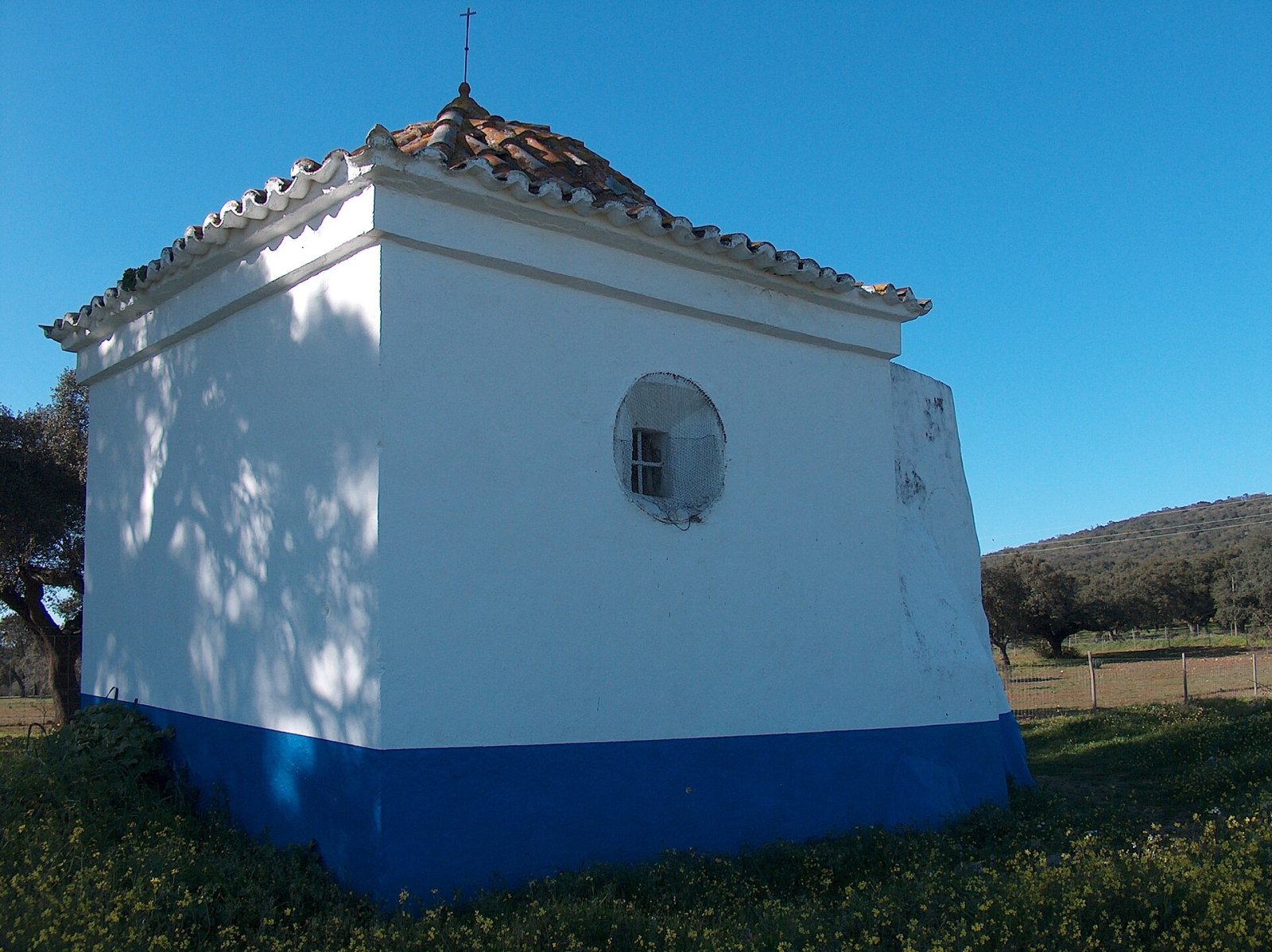
The chapel was built around a prehistoric dolmen, an ancient megalithic tomb, and represents a unique example of how religious traditions can overlap over the millennia. Classified as a Heritage of Public Interest since 1957, the Anta-Capela is a symbol of Portugal's rich cultural heritage, attracting visitors and scholars from around the world.
History and Origins
The Anta-Capela de Nossa Senhora do Livramento dates back to between the 4th and 3rd millennium B.C., when it was erected as a dolmen for the funerary practices of Neolithic peoples. This megalithic monument, composed of five granite pillars, served as a burial chamber and represents one of the oldest testimonies of human presence in the region. Over the centuries, the dolmen was transformed into a Christian chapel in the 17th century, a process that reflects the evolution of religious beliefs and spiritual practices in the area.
The conversion of the dolmen into a chapel is not an isolated case in Portugal; similar transformations can be observed in other places in the country, such as the Anta de Pavia. This practice of Christianizing megaliths demonstrates the importance of these monuments in the cultural and religious history of Portugal, serving as a bridge between ancient pagan traditions and new faiths.


