
← Back

Anta Grande do Zambujeiro: A Megalithic Treasure in Portugal

GXQP+M6 Nossa Senhora de Guadalupe, Portugal ★★★★☆ 0 views
Rania Nadal
Nossa Senhora de Guadalupe
🏆 AI Trip Planner 2026

Get the free app

Discover the best of Nossa Senhora de Guadalupe with Secret World — the AI trip planner with 1M+ destinations. Get personalized itineraries, hidden gems and local tips. Free on iOS & Android.

🧠 AI Itineraries 🎒 Trip Toolkit 🎮 KnowWhere Game 🎧 Audio Guides 📹 Videos
Download on the App Store Get it on Google Play
Scan to download Scan to download
Anta Grande do Zambujeiro: A Megalithic Treasure in Portugal - Nossa Senhora de Guadalupe | Secret World Trip Planner

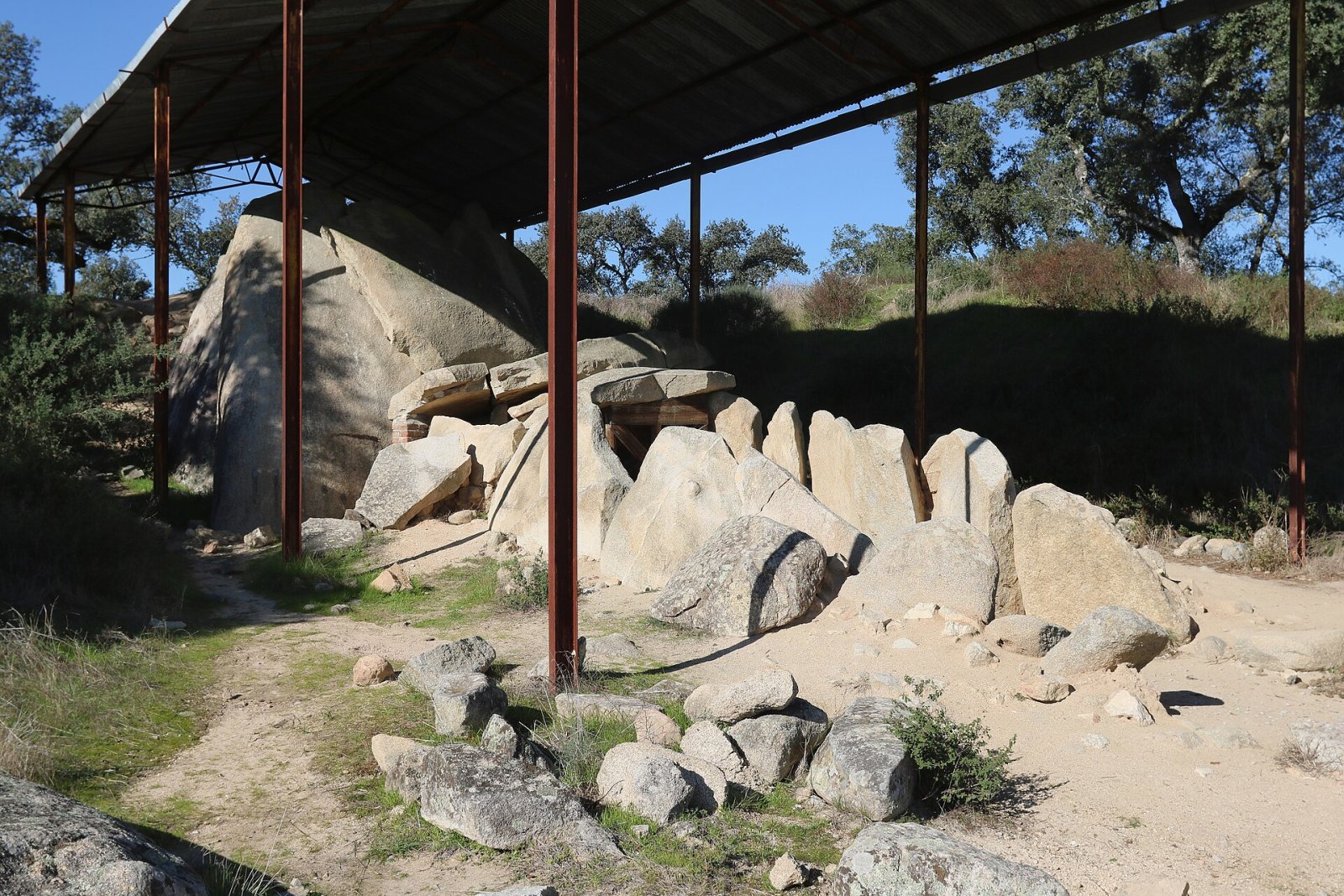
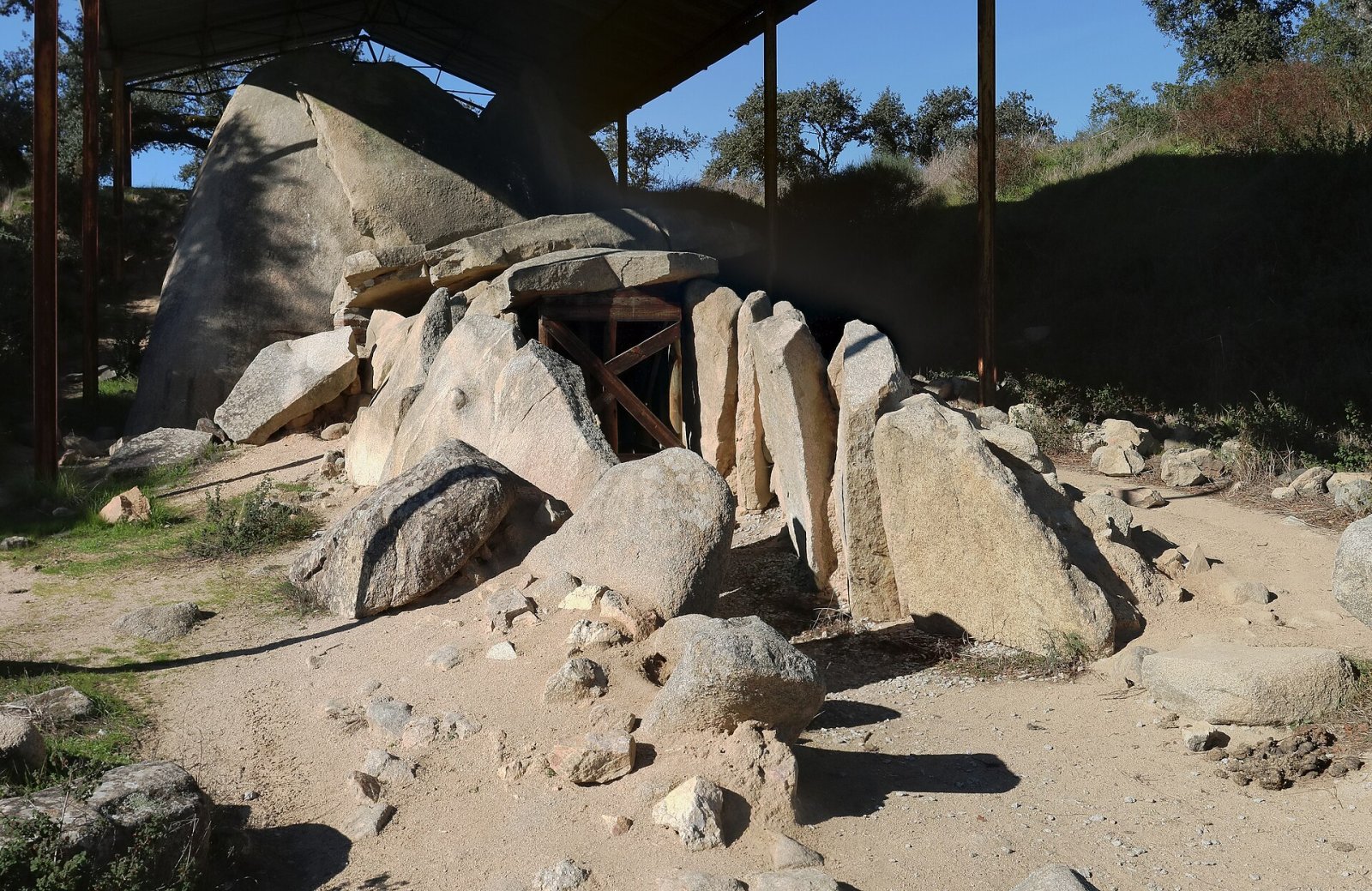
Immersed in the history of Portugal, the Anta Grande do Zambujeiro stands as one of the most significant megalithic monuments in the Évora region. This dolmen, located in Nossa Senhora da Tourega, near Valverde, is not only a testament to megalithic culture but also a journey back in time to an era between 4000 and 3000 B.C. Here, the stone tells stories of a distant past, glimpsing the lives and practices of ancient civilizations that inhabited these lands.
Anta Grande do Zambujeiro: A Megalithic Treasure in Portugal - Nossa Senhora de Guadalupe | Secret World Trip Planner

The large structure, considered one of the most imposing in the Iberian Peninsula, was the subject of archaeological excavations in 1965, conducted by Henrique Leonor Pina. These excavations uncovered numerous artifacts, including slate tablets and copper objects, which are now housed in the Évora museum. The Anta Grande do Zambujeiro was declared a national monument in 1971, a testament to its historical and cultural significance.

History and Origins

The Anta Grande do Zambujeiro is a symbol of the dolmen culture that characterizes the Évora region. Built between 4000 and 3000 B.C., this megalithic structure is part of a vast panorama of monuments that testify to the ingenuity and beliefs of prehistoric populations. Its construction is associated with funerary rites and spiritual practices, making it a place of great significance for past communities.

The discovery of various artifacts during the excavations has sparked considerable interest among historians and archaeologists. Among the artifacts uncovered are everyday objects and status symbols, offering a glimpse into the social and cultural life of that period. The controversy raised by the excavation methods has highlighted the importance of preserving archaeological sites, emphasizing the need for respectful and informed approaches.

Elements to Observe

🗺 AI Trip Planner

Plan your visit to Nossa Senhora de Guadalupe

Suggested itinerary near Anta Grande do Zambujeiro: A Megalithic Treasure in Portugal

MAJ+
500.000+ travelers worldwide
  1. 🌅
    Morning
    Anta Grande do Zambujeiro: A Megalithic Treasure in Portugal
    📍 Nossa Senhora de Guadalupe
  2. ☀️
    Afternoon
    Menir dos Almendres: a Journey into Portugal's History
    📍 4 km da Nossa Senhora de Guadalupe
  3. 🌆
    Evening
    Secret World App Review Évora 2026: Your Perfect Guide
    📍 9.5 km da Nossa Senhora de Guadalupe

Buy Unique Travel Experiences

Powered by Viator

See more on Viator.com

Explore nearby · Nossa Senhora de Guadalupe

Frequently Asked Questions

Anta Grande do Zambujeiro is located in Nossa Senhora da Tourega, near Valverde, in the Évora region of Portugal. This megalithic monument sits within one of the most historically rich areas of the Iberian Peninsula, making it easily accessible for visitors interested in prehistoric Portuguese history.
The Anta Grande do Zambujeiro was built between 4000 and 3000 B.C., making it approximately 5,000-6,000 years old. It was primarily used for funerary rites and spiritual practices by prehistoric populations, serving as a sacred space for the ancient communities that inhabited these lands.
During archaeological excavations in 1965 conducted by Henrique Leonor Pina, numerous artifacts were discovered including slate tablets and copper objects. These findings, along with various everyday items and status symbols, are now housed in the Évora museum and provide valuable insights into the social and cultural life of prehistoric times.
Yes, Anta Grande do Zambujeiro was declared a national monument in 1971, recognizing its historical and cultural significance. This protected status ensures the preservation of this important megalithic structure for future generations of visitors and researchers.
The Anta Grande do Zambujeiro is considered one of the most imposing megalithic structures in the Iberian Peninsula due to its impressive size and the wealth of artifacts discovered within it. Its significance lies in its testament to dolmen culture and the ingenuity and beliefs of prehistoric populations, offering archaeologists crucial insights into ancient Iberian civilizations.
