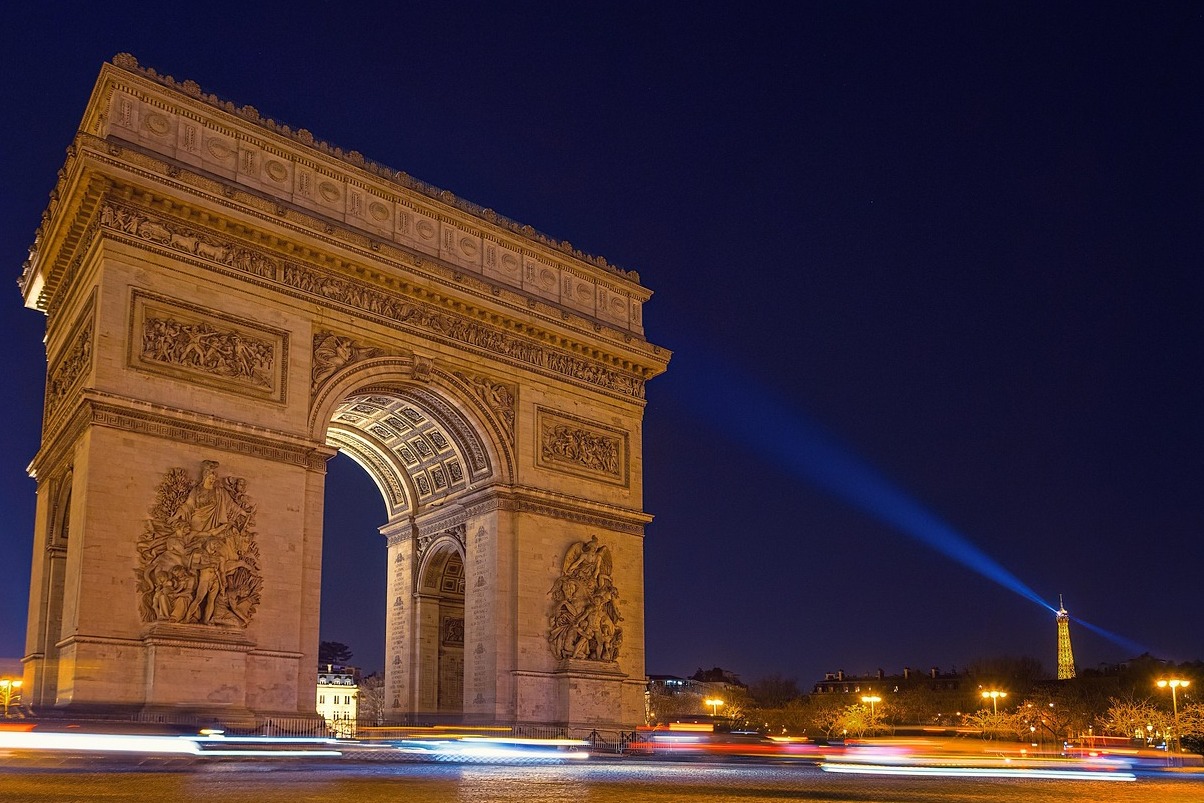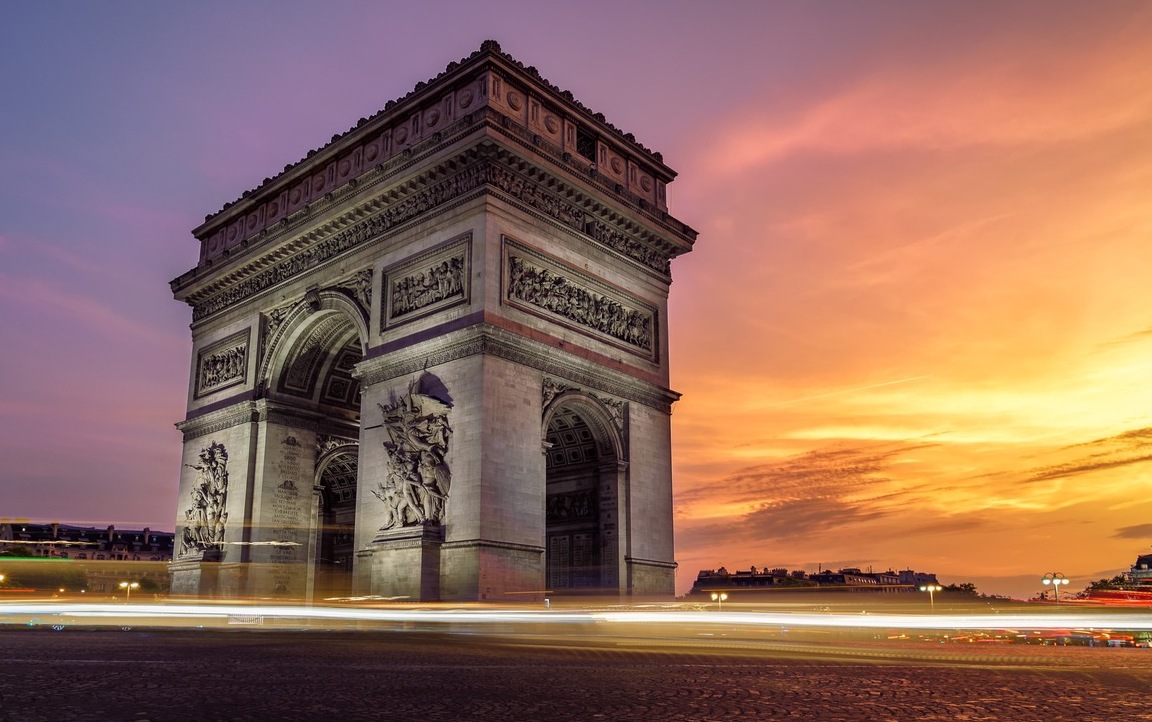

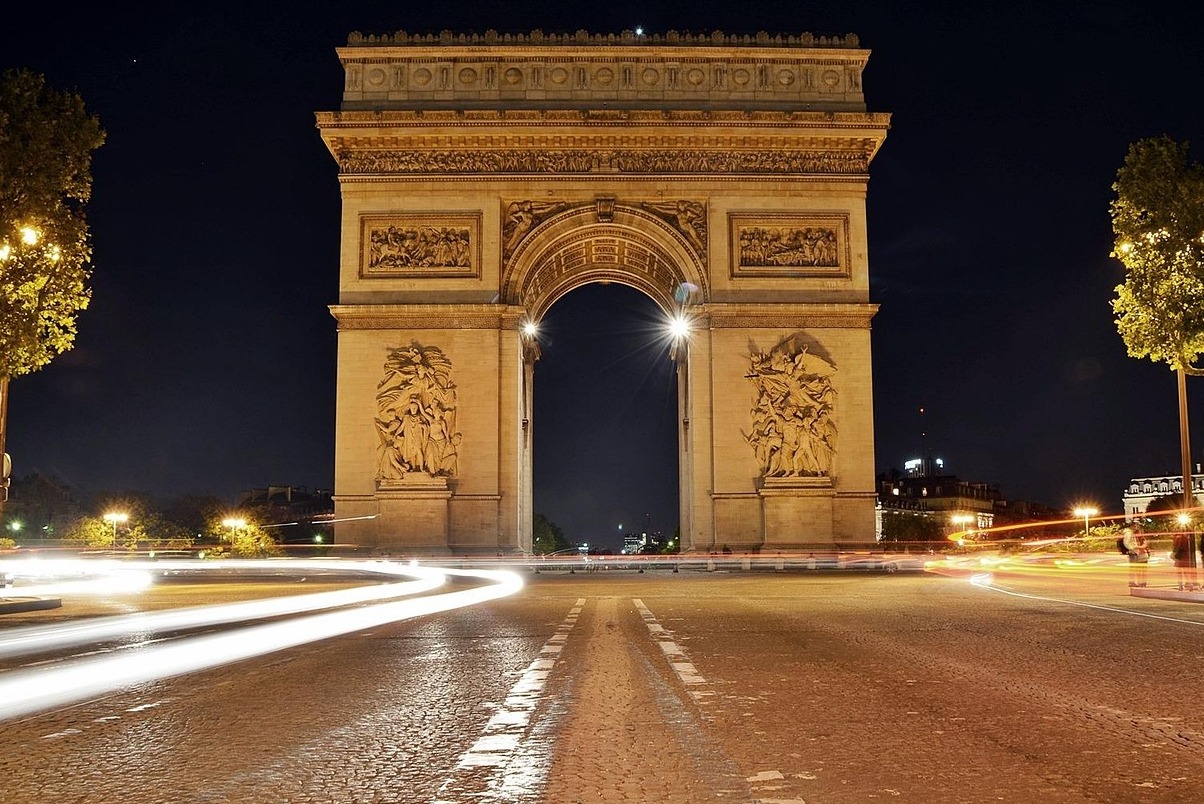
Standing proudly at the western end of the Champs-Élysées, the Arc de Triomphe is not just a monument; it is a powerful symbol of national pride, a testament to France's rich military history, and an iconic piece of architecture that captures the hearts of visitors from around the world.
### History and Origins The Arc de Triomphe was commissioned by Emperor Napoleon Bonaparte in 1806, following his resounding victory at the Battle of Austerlitz. Napoleon envisioned a grand arch that would celebrate his Grande Armée and the glory of the French military. He famously promised his soldiers, “You will return home through the Arc of Triumph,” a promise that resonated deeply with the troops.
Construction commenced with the laying of the first stone on August 15, 1806, but the project faced numerous delays, particularly after Napoleon's abdication in 1814. It wasn't until 1836 that the structure was finally completed under the direction of architect Jean-Nicolas Huyot and later Jean-Rodolphe Perronet, marking a significant era in French architectural history.
### Art and Architecture The Arc de Triomphe showcases the Neoclassical architectural style, characterized by its grand scale and intricate details. Standing at 50 meters high and 45 meters wide, the arch is adorned with reliefs depicting scenes from significant battles and historical events, including the Battle of Austerlitz, Marengo, and the Siege of Lille.
Notable artists like François Rude contributed to the decorative sculptural work, with Rude’s renowned relief titled **