
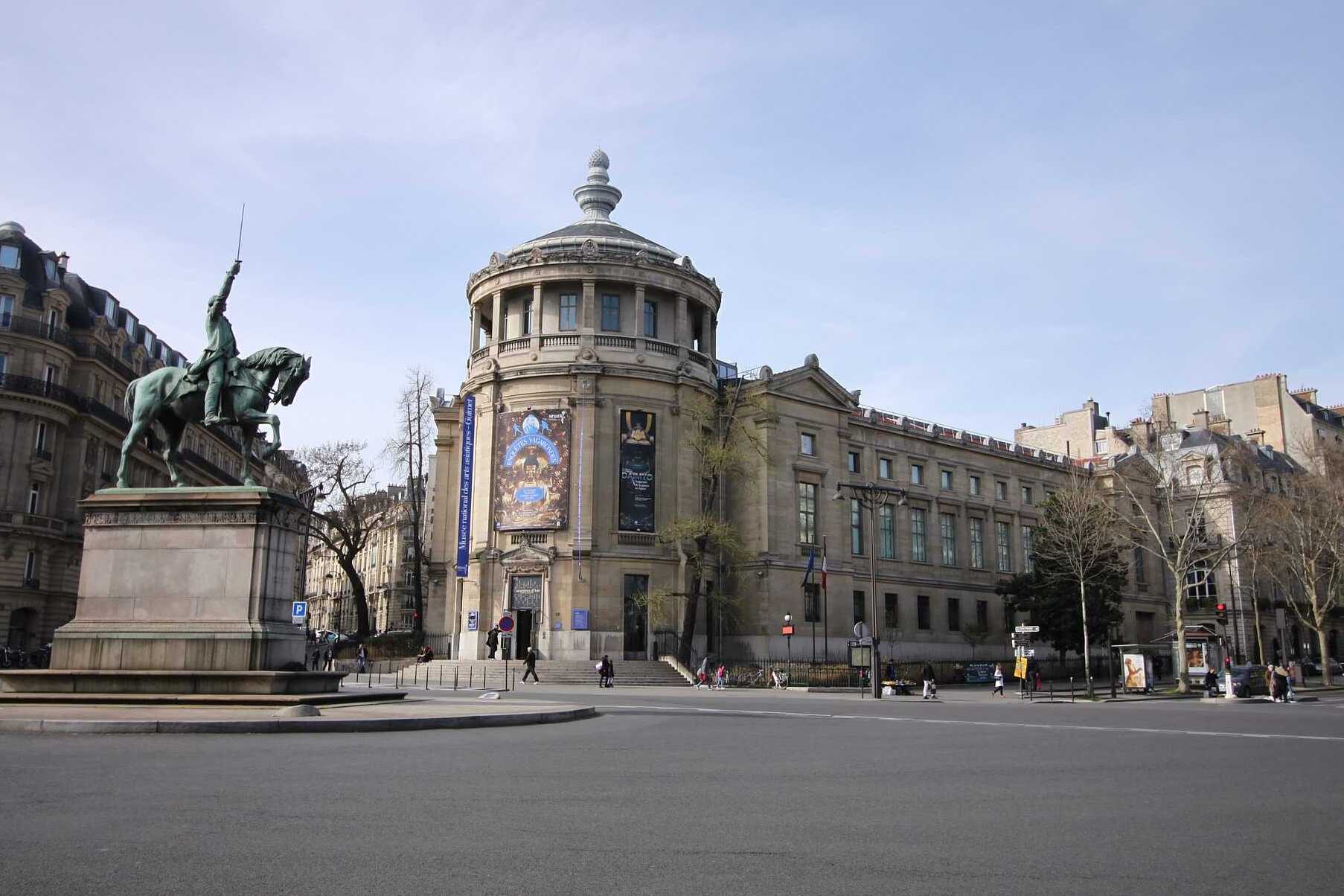

Nestled in the heart of Paris, the Guimet Museum, or Musée national des Arts asiatiques-Guimet, stands as a testament to the rich tapestry of Asian art and culture. Established in 1889 by the visionary French industrialist Émile Guimet, the museum was born from his extensive travels throughout Asia. Guimet sought to showcase the art and artifacts he collected, allowing European audiences to gain insights into the diverse civilizations of the continent.
The museum's origins can be traced back to Guimet's fascination with Asia, which began in the late 19th century when he journeyed through India, China, and Japan. His goal was ambitious: to create a comprehensive collection that spanned over 5,000 years of artistic achievement. Following his death, the collection was bequeathed to the French state, which significantly expanded it and eventually established the museum as a national institution. Key historical moments include the museum's restoration and enlargement in the early 2000s, which enhanced its capacity to display more treasures and engage with contemporary audiences.
Architecturally, the Guimet Museum presents an intriguing blend of styles. The original building, designed by architect Albert Tournaire, reflects a 19th-century neo-Asian aesthetic that resonates with the museum's mission. Its grand façade features intricate motifs inspired by various Asian influences, which set the tone for the treasures housed within. As you step inside, the spacious galleries invite you to explore a wealth of artworks ranging from delicate Japanese ceramics to monumental Cambodian sculptures.
Among the notable pieces in its collection are exquisite Buddhist sculptures from the ancient kingdoms of Southeast Asia and a stunning array of Chinese calligraphy that captures the elegance of written language as an art form. The museum also boasts an impressive selection of Indian textiles and Himalayan art, each piece narrating stories of faith, tradition, and cultural exchange.
The Guimet Museum is not just a repository of art; it is a vibrant hub for cultural exchange. It frequently hosts temporary exhibitions that delve into specific themes or artists, allowing visitors to engage with contemporary dialogues surrounding Asian art. These exhibitions often coincide with local cultural events and festivals, providing visitors an opportunity to experience Parisian life intertwined with Asian traditions.
Speaking of local culture, the surrounding neighborhood of 7th arrondissement is steeped in history and charm. Visitors can witness the harmony of French and Asian customs, particularly during events like the Chinese New Year, when the streets come alive with dragon parades, fireworks, and traditional music. This festival, celebrated in January or February, highlights the vibrant community of Asian descent in Paris, making it a delightful time to visit the museum.
When in Paris, one cannot overlook the culinary delights that accompany such cultural richness. The area around the Guimet Museum features a range of restaurants and cafés that serve delectable Asian cuisine. From sushi and ramen to authentic Vietnamese pho, food lovers will find themselves immersed in flavors that echo the museum's collections. Additionally, don’t miss trying a classic French pastry at a local patisserie, where the delicate art of baking reflects the same dedication found in Asian art forms.
For those seeking to uncover the hidden gems of the Guimet Museum, a few lesser-known curiosities await discovery. Did you know that the museum houses the largest collection of Asian art in France? Or that it includes works from Buddhist and Hindu traditions, demonstrating the cross-cultural influences that shaped these religions over centuries? Another intriguing detail is that the museum's expansive library, often overlooked, contains invaluable resources for scholars and art lovers alike, offering insights into the history of Asian art.
To make the most of your visit, consider timing your trip during the week to avoid larger crowds, particularly on weekends. The museum is accessible via public transport, with the nearest metro station being Iéna. Allocate a few hours to truly immerse yourself in the collections, and don’t miss the rooftop terrace, which offers stunning views of Paris and a tranquil spot to reflect on your experience.
In conclusion, the Guimet Museum serves as a bridge between cultures, inviting visitors to journey through the artistic heritage of Asia. Whether you are captivated by ancient sculptures, inspired by contemporary art, or simply looking to enjoy the rich flavors of Asian cuisine nearby, this museum stands out as a must-visit destination in Paris. For a personalized experience that allows you to explore this cultural gem and more, consider using the Secret World app to craft your ideal itinerary in Paris.


