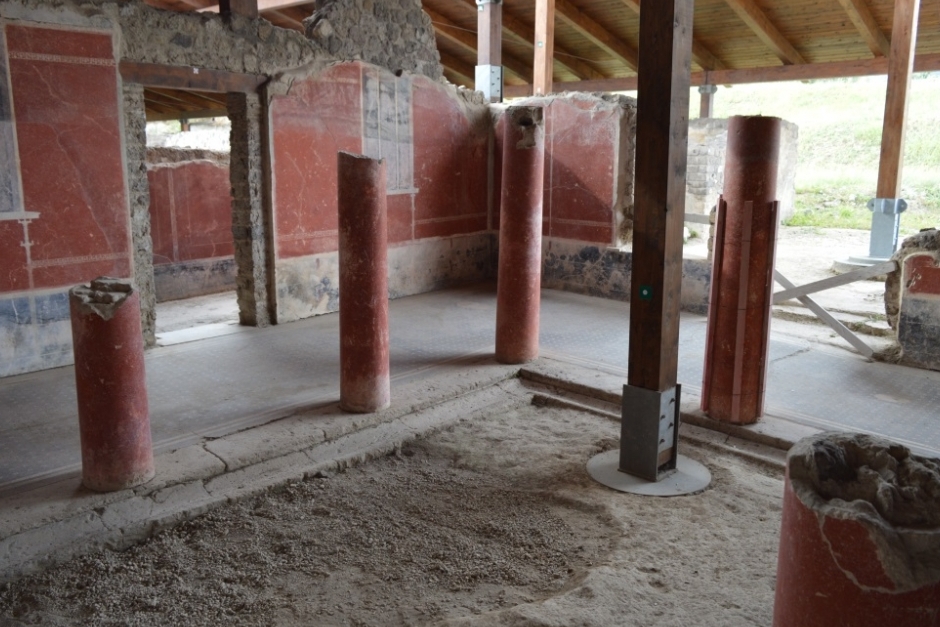

Nestled on the picturesque shores of the Bay of Naples, the archaeological excavations of Stabia reveal a captivating glimpse into the ancient Roman world. This site, located in Castellammare di Stabia, offers an extraordinary tapestry of history, art, and culture that dates back to the 1st century BC.
### History and Origins The story of Stabiae begins well before it became an affluent resort for the Roman elite. Founded by the Oscans, this ancient settlement thrived due to its strategic position along the coast and its fertile lands. The city met its demise during the catastrophic eruption of Mount Vesuvius in AD 79, which also claimed the nearby towns of Pompeii and Herculaneum.
In the 18th century, King Charles III of Spain initiated the first excavations, primarily to uncover treasures that could adorn the royal collection at the Reggia di Portici. These efforts unveiled a remarkable array of villas, many of which were lavishly decorated, showcasing the opulence of the Roman elite. The excavations revealed a fortified village that served as a tranquil retreat, offering breathtaking views of the surrounding landscape.
### Art and Architecture The architectural style of the villas at Stabiae is a reflection of the aesthetic sensibilities of the time. The most notable of these is the Villa Arianna, named after the striking wall frescoes that depict mythological themes and landscapes. Among the most celebrated artworks are the stunning frescoes of “Flora”, a representation of the goddess of flowers, and the whimsical “Seller of Amorini”, showcasing playful cherubs.
The villas' designs, with their open courtyards and intricate mosaics, illustrate the Roman penchant for blending indoor and outdoor living spaces harmoniously. The use of vibrant colors and detailed craftsmanship in these artworks exemplifies the artistic significance of the era, making Stabiae an essential stop for art enthusiasts and historians alike.
### Local Culture and Traditions Today, Castellammare di Stabia is a vibrant town that embraces its rich cultural heritage. Local festivals often celebrate the ancient roots of the area, with events like the “Festa di Santa Maria della Libera”, which features religious processions, music, and traditional foods.
The community places great importance on its historical legacy, with various cultural activities that seek to educate visitors about the region’s past. The annual “Sagra della Pizza” showcases the culinary arts, emphasizing the significance of food in local traditions.
### Gastronomy The cuisine of Castellammare di Stabia is as rich as its history, with a strong emphasis on fresh, local ingredients. Seafood is a staple, given its coastal location, and dishes such as spaghetti alle vongole (spaghetti with clams) and frittura di pesce (fried fish) are local favorites.
Another distinctive dish is gattò di patate, a savory potato cake that embodies the flavors of the region. Pairing these dishes with local wines like Lacryma Christi enhances the gastronomic experience, offering visitors a taste of the area’s culinary heritage.
### Lesser-known Curiosities While many tourists flock to the more famous ruins of Pompeii, Stabiae offers hidden gems that often go unnoticed. One fascinating aspect is the “Stabian Baths,” a complex that provides insight into the daily life and leisure activities of its ancient inhabitants. The baths include intricate heating systems and beautifully preserved frescoes, showcasing the Romans' advanced engineering.
Another intriguing fact is the “Villa San Marco,” which features a unique arrangement of rooms that highlight the social dynamics of Roman life. Visitors can explore these lesser-known areas at a leisurely pace, often without the crowds found in more famous archaeological sites.
### Practical Visitor Information The best time to visit the archaeological excavations of Stabia is during the spring and fall when the weather is mild and the crowds are smaller. It’s advisable to wear comfortable shoes, as the excavations cover a large area with uneven terrain.
When visiting, don’t miss the opportunity to explore the Antiquarium Stabiano, where many of the artifacts and frescoes from the site are displayed, offering deeper insights into the lives of Stabiae’s ancient residents.
For a truly enriching experience, consider joining guided tours that provide historical context and personal anecdotes, making the ruins come alive.
In conclusion, the archaeological excavations of Stabia not only unveil the splendor of ancient Rome but also offer a portal into the cultural and culinary richness of modern-day Castellammare di Stabia. For those seeking a personalized journey, using the Secret World app can help you craft an itinerary that uncovers the secrets of this extraordinary destination.
