
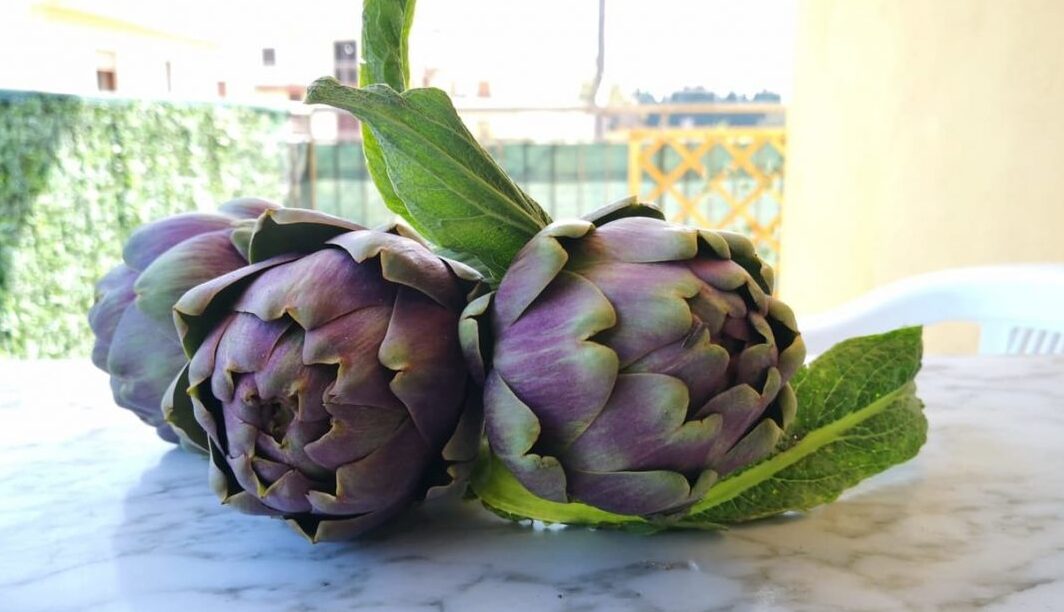

Nestled at the foot of the majestic Mount Vesuvius, the town of Castellammare di Stabia is a hidden gem that boasts a rich agricultural heritage, particularly known for its exquisite Castellammare violet artichoke, also affectionately called the Schito artichoke. This vibrant and flavorful vegetable is not just a culinary delight; it embodies the history and culture of the region.
The origins of Castellammare di Stabia can be traced back to ancient Roman times. The town was founded in the 1st century BCE and flourished as a resort town for the Roman elite, thanks to its strategic coastal location and fertile land. Historical accounts reveal that it was a popular destination for figures such as Pliny the Elder, who praised its thermal baths and natural beauty. The archaeological remains found in the area, including villas and mosaics, confirm its significance during the Roman Empire. The legacy of this era is palpable in the town's architecture and ongoing traditions.
Architecturally, Castellammare di Stabia showcases a blend of historical styles, reflecting its evolution through the ages. The Church of Santa Maria del Lauro, with its Baroque facade and ornate interiors, is a must-see for visitors. The Stabia archaeological site further enriches the town’s artistic significance, featuring remnants of Roman villas adorned with stunning frescoes and intricate mosaics. These artistic treasures tell the story of a time when Castellammare was at the height of luxury and sophistication.
Local culture in Castellammare is deeply intertwined with its agricultural practices and festivals. The annual Sagra del Carciofo, or Artichoke Festival, is a highlight of the year, celebrating the prized Schito artichoke. Held in April, this vibrant event attracts locals and tourists alike, showcasing traditional dishes, music, and crafts. Visitors can witness the dedication of local farmers as they demonstrate the unique methods of cultivation, including the protective terracotta cups known as pignatelle that ensure the tenderness of the prized mammolella.
Food is the heart of Castellammare's culture. The Schito artichoke, with its distinctive violet hues, often graces tables during Easter, where it is incorporated into traditional dishes. Locals prepare them stuffed with breadcrumbs, herbs, and cheeses, then slow-cooked in casseroles. The town is also famous for its seafood, thanks to its coastal location, with fresh catches like anchovies and clams taking center stage in many recipes. Pair these dishes with a glass of Lacryma Christi, a renowned local wine that captures the essence of the volcanic soil, and you have a culinary experience that truly embodies the flavors of Campania.
Beyond the artichokes and the festival, Castellammare di Stabia holds lesser-known curiosities that enrich its charm. The town was once home to the Stabian Baths, which were among the most luxurious in the Roman Empire. Today, remnants of these ancient baths can still be explored, offering a glimpse into the opulence of Roman leisure. Moreover, the town is linked to the legendary figure of Stabia, who is said to have been a hero in local folklore, further embedding the town in rich mythological narratives.
For those considering a visit, the best time to experience Castellammare is during the spring months, particularly from February to April when the artichokes are at their peak. In addition to the Sagra del Carciofo, visitors can enjoy the stunning views of the Gulf of Naples and the iconic silhouette of Vesuvius. Strolling through the charming streets, be sure to stop by local markets where you can sample fresh produce and artisanal products.
For an immersive experience, engage with local artisans and ask about their crafts. Many are happy to share stories that span generations, giving visitors a unique insight into the culture of Castellammare.
As you plan your visit, consider downloading the Secret World app to create a personalized AI itinerary that will help you discover the hidden wonders of Castellammare di Stabia.


