
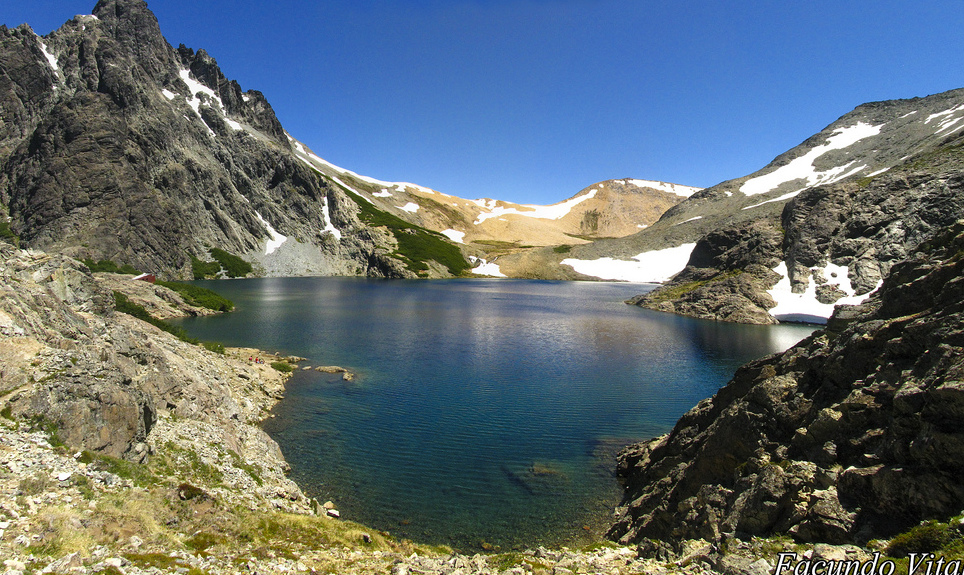

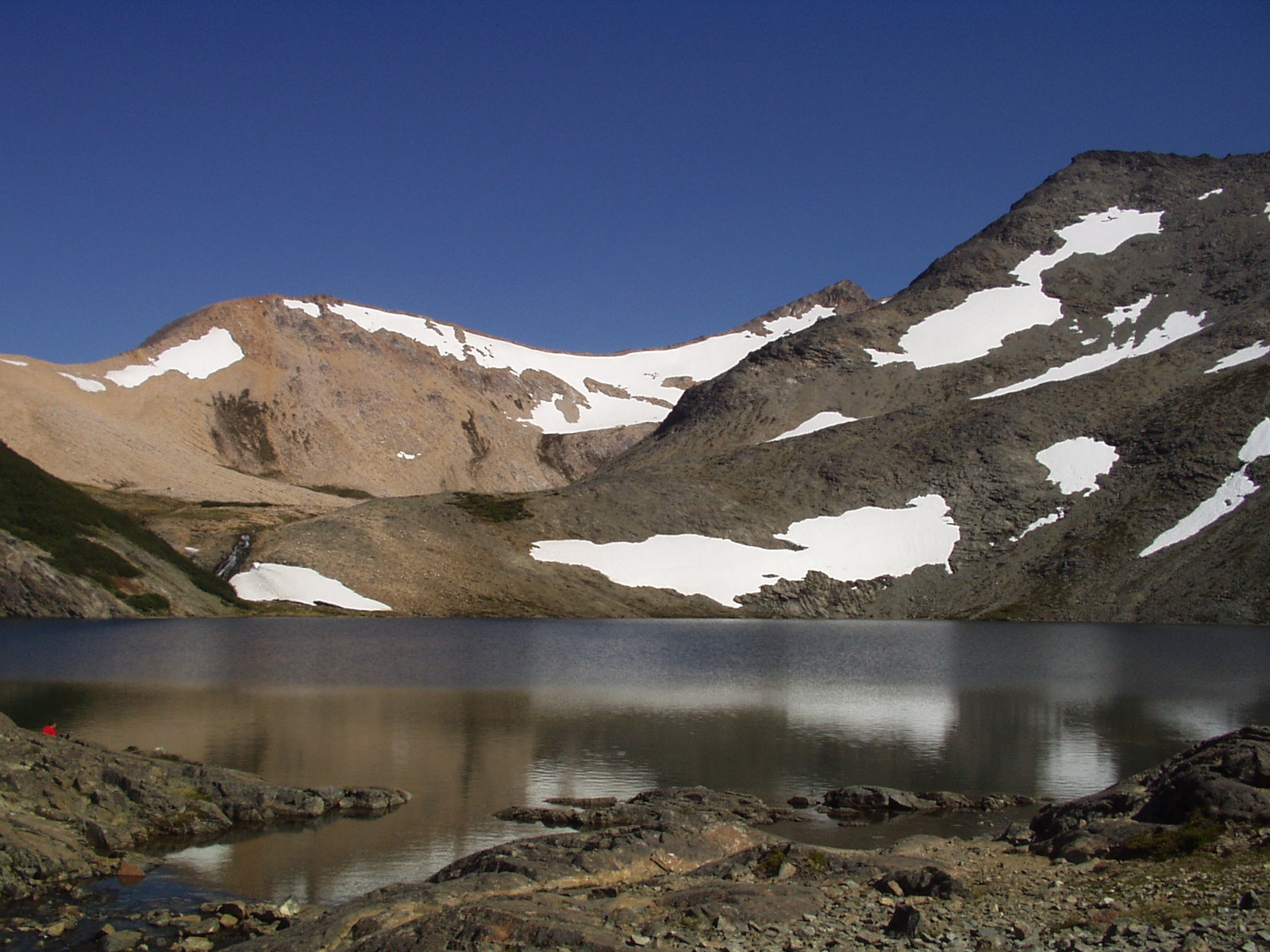
Nestled in the heart of the Andes and cloaked in the mystery of its name, Laguna Negra offers an enchanting blend of natural beauty and cultural intrigue. Though its waters are startlingly clear, the lagoon owes its name to the dark volcanic rocks surrounding it, casting a shadow that gives the water its inky appearance. Just a few hours' hike from San Carlos de Bariloche, this hidden gem is a testament to the region's rugged allure and historical depth.
The history of Laguna Negra is as compelling as the vistas it offers. The area around Bariloche has long been inhabited, with the indigenous Mapuche people being its earliest known settlers. They navigated these terrains, leaving behind a legacy that influences the region even today. European settlers arrived in the late 19th and early 20th centuries, drawn by the promise of rich natural resources and the stunning landscape. This blend of indigenous and European influences is palpable, creating a cultural mosaic that enriches the modern-day experience of visiting the lagoon.
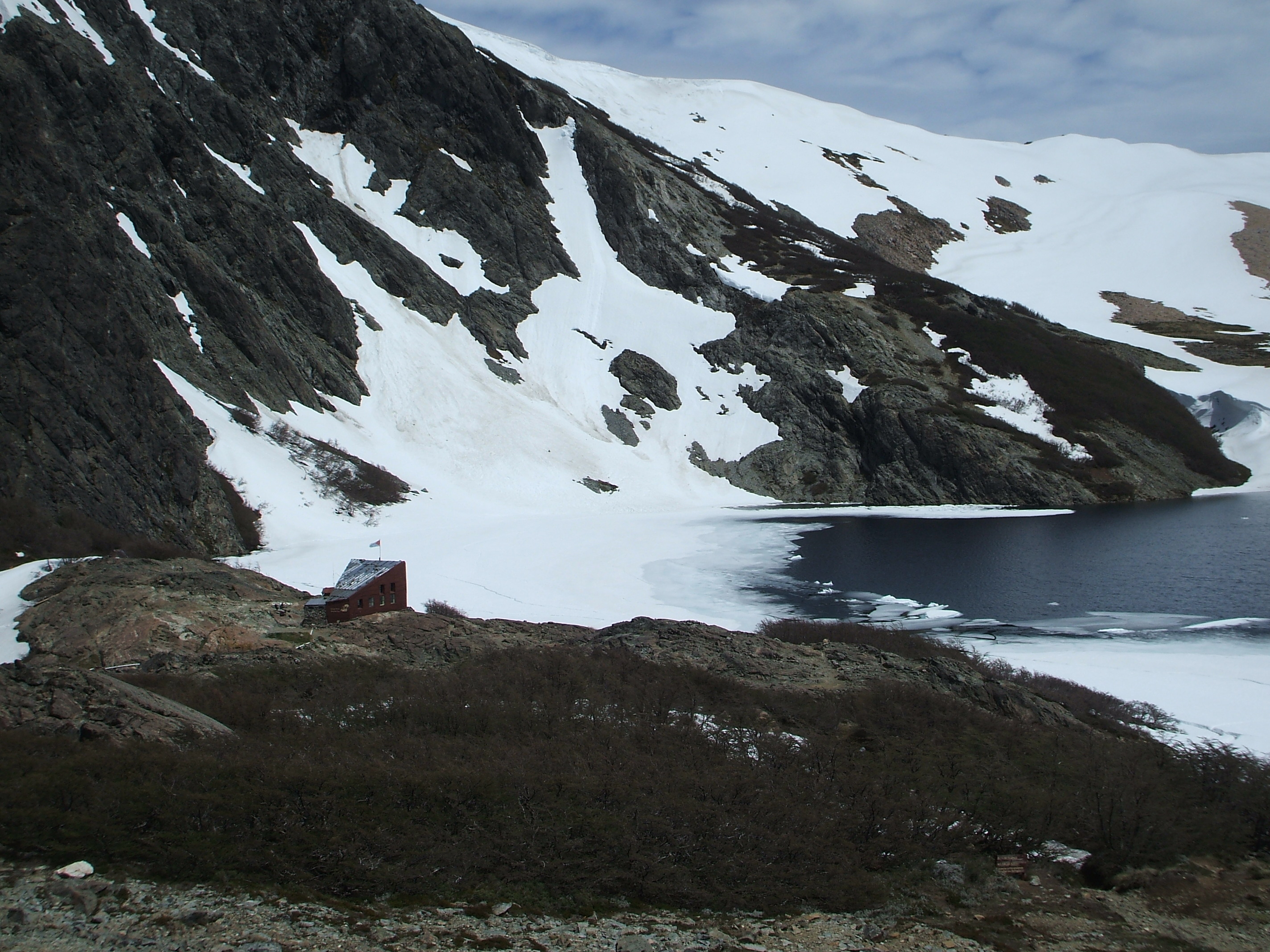
Architecturally, the surroundings of Laguna Negra reflect a harmonious blend of human craftsmanship and natural wonder. While the lagoon itself is untouched, the trail leading up to it showcases various refugios, or mountain huts, built in the traditional Andean style. These structures, often made of local stone and timber, serve as a testament to the ingenuity required to survive and thrive in such challenging environments. The Refugio Italia, located near the lagoon, is a popular stop for hikers, offering rustic accommodations and a chance to connect with fellow adventurers.
Culturally, the area surrounding Laguna Negra is brimming with traditions that celebrate both its indigenous roots and European influences. The annual Fiesta Nacional de la Nieve in Bariloche is a winter highlight, celebrating the region's alpine spirit with skiing competitions, music, and dance. The influence of the Mapuche can be seen in various local crafts, including intricate textiles and woodwork that tell stories of the land and its people.
When it comes to gastronomy, the region offers a rich tapestry of flavors. The proximity to Patagonia means that dishes like asado (Argentinian barbecue) and trucha patagónica (Patagonian trout) are local favorites. The area is also famous for its artisanal chocolate, a legacy of its Swiss and German settlers, making Bariloche a haven for sweet-toothed travelers. Pair these culinary delights with a glass of Malbec or a locally brewed craft beer, and you have a meal to remember.
Beyond the scenic beauty and rich history, Laguna Negra holds lesser-known curiosities that add to its allure. The unique flora around the lagoon includes rare species of orchids and the notro tree, whose vibrant red blossoms are a stark contrast against the stark landscape. Bird watchers can spot a variety of native species, like the majestic Andean condor, soaring overhead. These hidden details offer a deeper connection to the area's natural splendor, often missed by those who rush through the hike.
For those tempted to embark on the journey to Laguna Negra, practical information is essential to ensure a memorable visit. The best time to hike is from late spring to early autumn (November to March) when the weather is mild and the trails are more accessible. The hike, which takes between 7-9 hours round trip, is challenging but rewards with breathtaking views and a sense of accomplishment. Hikers should prepare for sudden weather changes, a common occurrence in the Andes, and carry sufficient water, snacks, and appropriate gear.
While the trek to Laguna Negra may seem daunting, the rewards are nothing short of spectacular. The journey itself is a passage through time and culture, offering glimpses of Argentina's rich past and vibrant present. As you stand by the lagoon's edge, with the towering peaks reflected in its dark waters, you'll find that the effort was indeed worth every step.


