
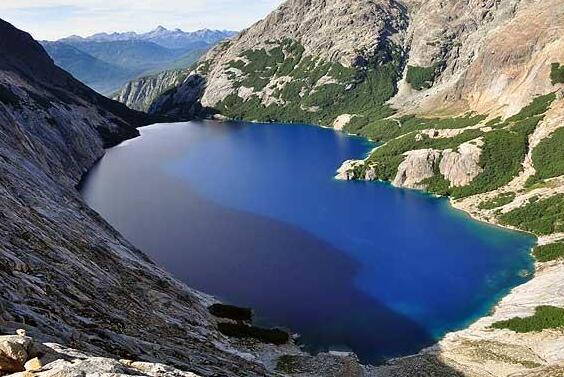

Nestled in the breathtaking Patagonian Andes, Laguna Calvú, also known as Laguna Azul, offers a tranquil escape into one of Argentina's most serene natural landscapes. Located merely 70 kilometers from the bustling town of San Carlos de Bariloche, this hidden gem promises an adventure both in its journey and its destination. The trek to the lagoon, a challenging yet rewarding 4 to 5-hour hike, immerses visitors in the lush greenery and rugged beauty of the Nahuel Huapi National Park.
The history of Laguna Calvú is intrinsically linked to the indigenous Mapuche people, who have inhabited the region for centuries. The area around the lagoon was historically a sacred site, believed to be imbued with spiritual energy. The Mapuche named it "Calvú," meaning "blue" in their language, reflecting the stunning azure waters that continue to draw visitors today. During the late 19th and early 20th centuries, European settlers arrived, bringing new influences while often clashing with the indigenous communities. Today, the area stands as a testament to both the enduring presence of the Mapuche and the more recent cultural meldings.
While Laguna Calvú itself may not boast architectural wonders, the surrounding region is rich with structures that speak to both the natural and human history of the area. The nearby town of Bariloche is renowned for its Alpine-style architecture, a nod to the Swiss and German immigrants who settled there. This architectural style, characterized by wooden chalets and intricately carved details, provides a charming contrast to the raw natural beauty of the lagoon.
Cultural traditions in the area are vibrant and diverse. The Mapuche continue to celebrate their heritage through festivals and rituals, such as the Nguillatún, a traditional ceremony that seeks harmony with nature. Visitors may also encounter the Fiesta Nacional de la Nieve in Bariloche, a lively winter festival celebrating the snow with music, skiing competitions, and parades. These events offer a glimpse into the region's unique blend of indigenous and immigrant cultures.
Gastronomy in the region is a delightful fusion of traditional Argentine flavors and European influences. Visitors are encouraged to try local delicacies such as curanto, a traditional Mapuche dish where meats and vegetables are cooked in a pit oven, and trucha patagónica (Patagonian trout), a fresh and locally sourced fish that thrives in the area's pristine waters. Don't miss the chance to sample craft beers from Bariloche’s burgeoning brewery scene, a legacy of the town’s German immigrants.
For those seeking lesser-known curiosities, the lagoon's environs are home to a unique ecosystem. The dense forests of coihue and alerce trees provide habitat for numerous bird species, including the elusive Magellanic woodpecker. The area is also steeped in local myths, such as the tale of El Nahuelito, a lake monster said to inhabit nearby Nahuel Huapi Lake. While sightings are rare, the stories add an element of mystery to the already enchanting landscape.
Practical information for visitors to Laguna Calvú is essential to ensure a memorable experience. The best time to visit is during the Argentine summer months, from December to March, when the weather is most favorable for trekking. It's crucial to come prepared with appropriate hiking gear, including sturdy boots and weather-appropriate clothing. As the trail can be challenging, a reasonable level of fitness is recommended. Visitors should also carry sufficient water and snacks, as amenities are not available en route.
Once at the lagoon, take a moment to soak in the vivid blue waters and the surrounding peaks that seem to guard this quiet sanctuary. Whether you're an avid hiker, a nature lover, or a cultural enthusiast, Laguna Calvú offers an unparalleled opportunity to experience the raw beauty and rich history of Patagonia. As you stand on its shores, you may find yourself captivated not only by the view but by the stories that echo through the landscape, from ancient indigenous traditions to the enduring spirit of exploration.


