
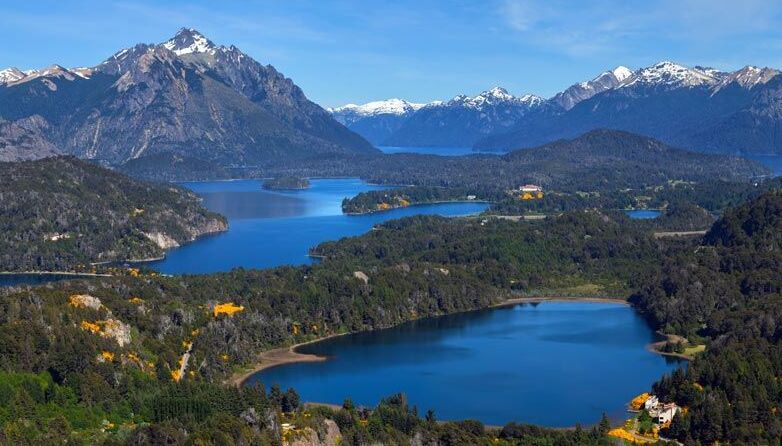

Set against the breathtaking backdrop of the Andes Mountains, Lago Moreno is a shimmering jewel in the crown of San Carlos de Bariloche, Argentina. Known for its crystal-clear waters and panoramic views, this stunning lake is a canvas of history, culture, and natural beauty that beckons travelers to explore its depths and shores.
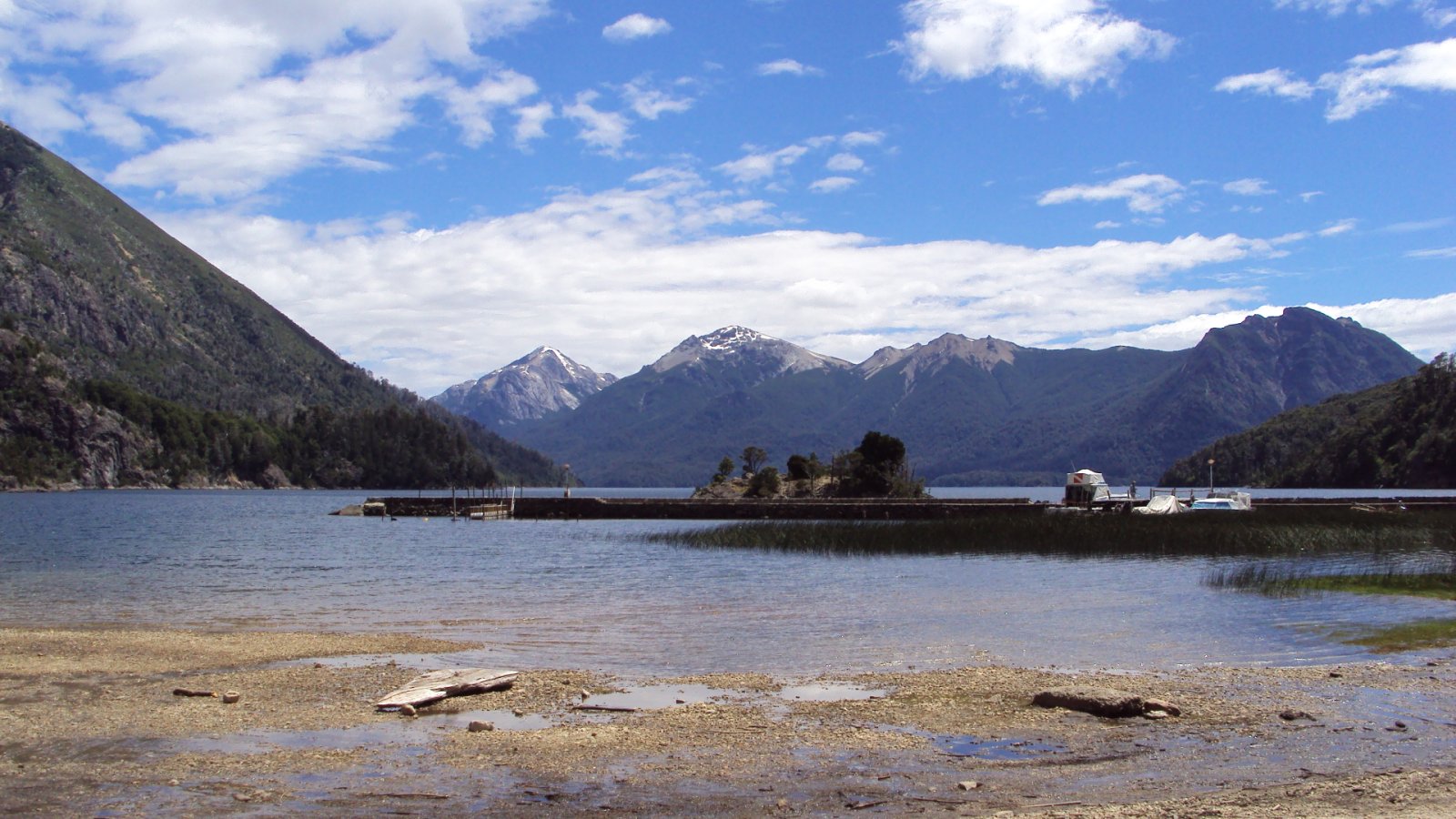
Nestled in the Nahuel Huapi National Park, Lago Moreno’s storied history dates back thousands of years. The indigenous Mapuche people, who have inhabited the region since time immemorial, revered these lands as sacred. Their rich cultural tapestry can still be felt in the whispers of the wind and the stories of the land. In the late 19th century, the region was transformed as European settlers arrived, drawn by the promise of new beginnings and the allure of the untouched wilderness. The founding of San Carlos de Bariloche in 1902 marked the beginning of a new era, blending indigenous traditions with European influences, a synthesis that has shaped the area’s unique identity.
Architecturally, Bariloche is renowned for its Swiss chalet-style structures, a nod to the European settlers who brought with them a taste of home. This style is characterized by steep roofs and wooden facades, reminiscent of the Alpine villages. The Centro Cívico, the city’s central square, stands as a testament to this architectural heritage, with its stone and wood buildings that house museums and municipal offices. Art enthusiasts will find delight in the Museo de la Patagonia, located within the square, which offers insights into the region’s natural and cultural history through its extensive collections.
The culture of Bariloche is a vibrant blend of indigenous customs and European traditions. One of the most celebrated local traditions is the Fiesta Nacional de la Nieve (National Snow Festival), held annually in July. This festival marks the start of the ski season with a flurry of activities, including snow sculpture contests, parades, and vibrant performances that highlight the community’s spirit and love for winter sports. Another significant cultural event is the Semana Santa (Holy Week), where locals partake in religious ceremonies and processions, reflecting the deeply rooted spiritual traditions of the area.
Bariloche’s gastronomy is as rich and varied as its cultural heritage. The region is famous for its chocolate, a legacy of the Swiss and German immigrants, with numerous chocolatiers offering delectable treats that have become synonymous with the city. El Turista and Mamuschka are among the renowned names that any chocolate lover should explore. The local cuisine also features Patagonian lamb, often slow-cooked over an open fire, and trout, freshly caught from the pristine waters of Lago Moreno. Pair these dishes with a glass of local Malbec or Pinot Noir for a truly authentic experience.
Beyond the well-trodden paths, Lago Moreno offers several lesser-known treasures. The lake is divided into two sections: Moreno Oeste and Moreno Este, each offering unique landscapes and experiences. A hidden gem for visitors is the Colonia Suiza, a small village near the lake, which hosts a traditional curanto feast every Sunday—an ancient cooking method where meat and vegetables are cooked in a pit lined with hot stones. This communal meal is not only a culinary delight but also a window into the communal traditions of the region.
For those planning a visit, the best time to explore Lago Moreno is during the warmer months of December to March, when the weather is ideal for outdoor activities like hiking, kayaking, and swimming. The iconic Cerro Campanario, accessible by chairlift, offers one of the most spectacular views of the lake and surrounding mountains, a must-see for any visitor. It’s advisable to start your day early to avoid the crowds and to have ample time to soak in the vistas.
While exploring, take time to appreciate the smaller details—the vibrant wildflowers that dot the landscape, the call of native birds like the Andean condor, and the serene reflections on the lake’s surface at sunset. These moments capture the essence of Lago Moreno, a place where nature and culture intertwine to create a truly unforgettable experience.
In essence, Lago Moreno is not just a scenic landmark; it is a living tapestry of history, culture, and natural wonder. Whether you are drawn by its stunning landscapes, its rich cultural heritage, or its culinary delights, this Argentinian gem offers something for every traveler.


