



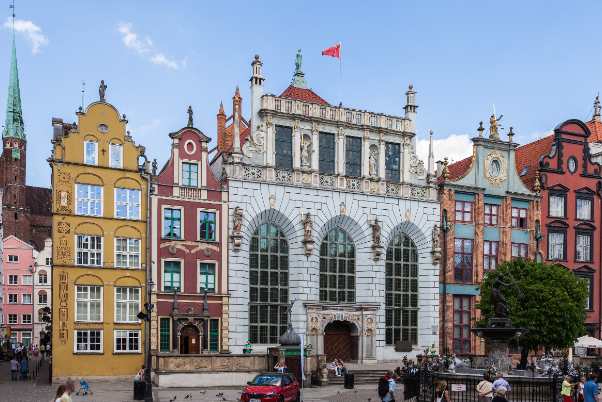
Stepping into Arthus Court in the vibrant city of Gdańsk, Poland, is like opening a well-preserved chapter from a medieval epic. As the oldest of its kind in the world, this storied building is steeped in rich history, reflecting the legacy of the legendary King Arthur, whose tales of chivalry and valor continue to captivate the imagination.
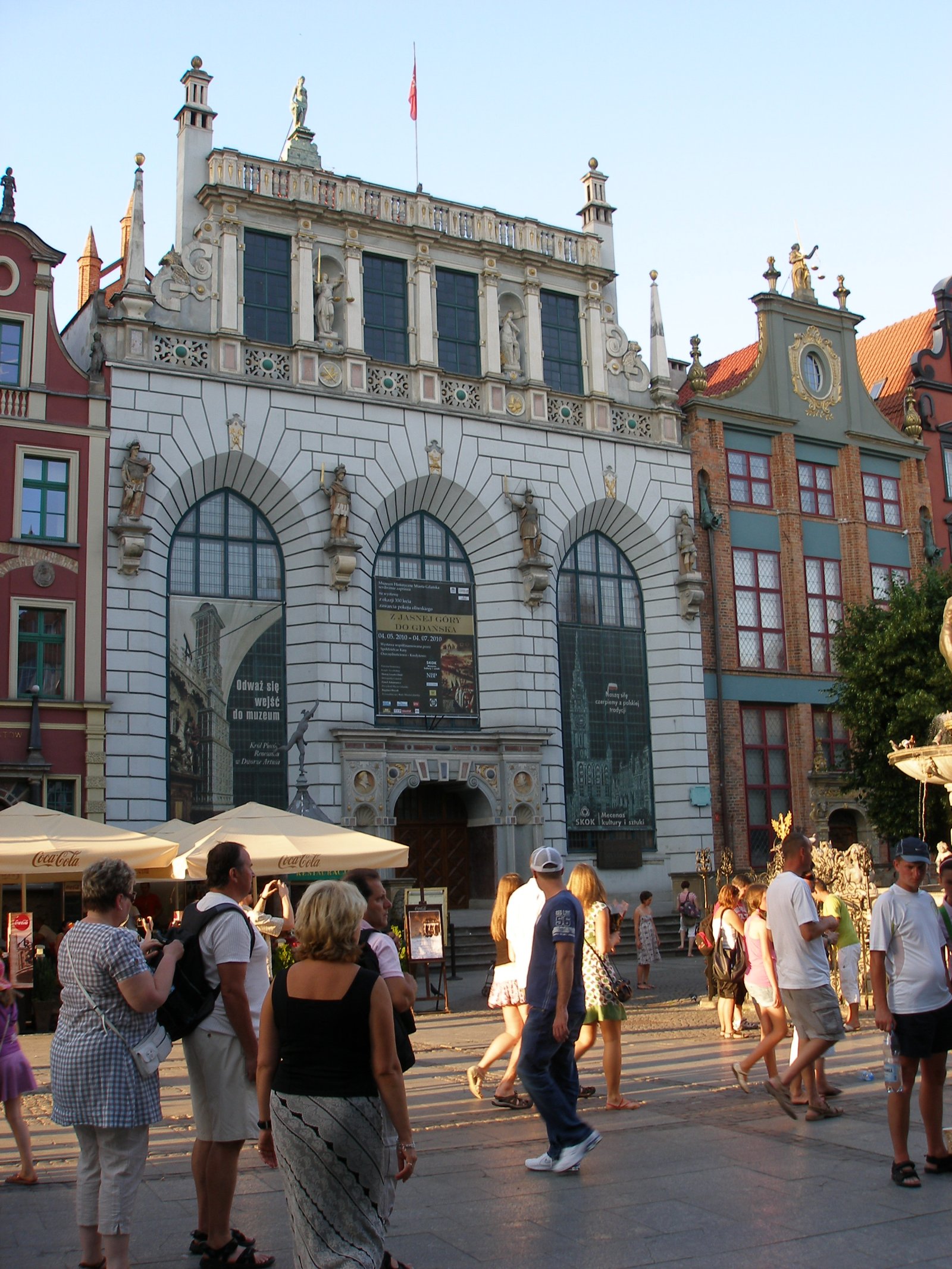
The origins of Arthus Court, known locally as Dwór Artusa, date back to the late 14th century. It was constructed as a meeting place for the city's elite merchants, inspired by the legendary Round Table of Arthurian fame, which symbolized equality and camaraderie. During this time, Gdańsk was a thriving member of the Hanseatic League, a powerful commercial and defensive confederation of merchant guilds and market towns in Northwestern and Central Europe. The court served not only as a hub for trade but also as a venue for social and cultural gatherings, where the city's influential figures would convene to discuss business and politics.
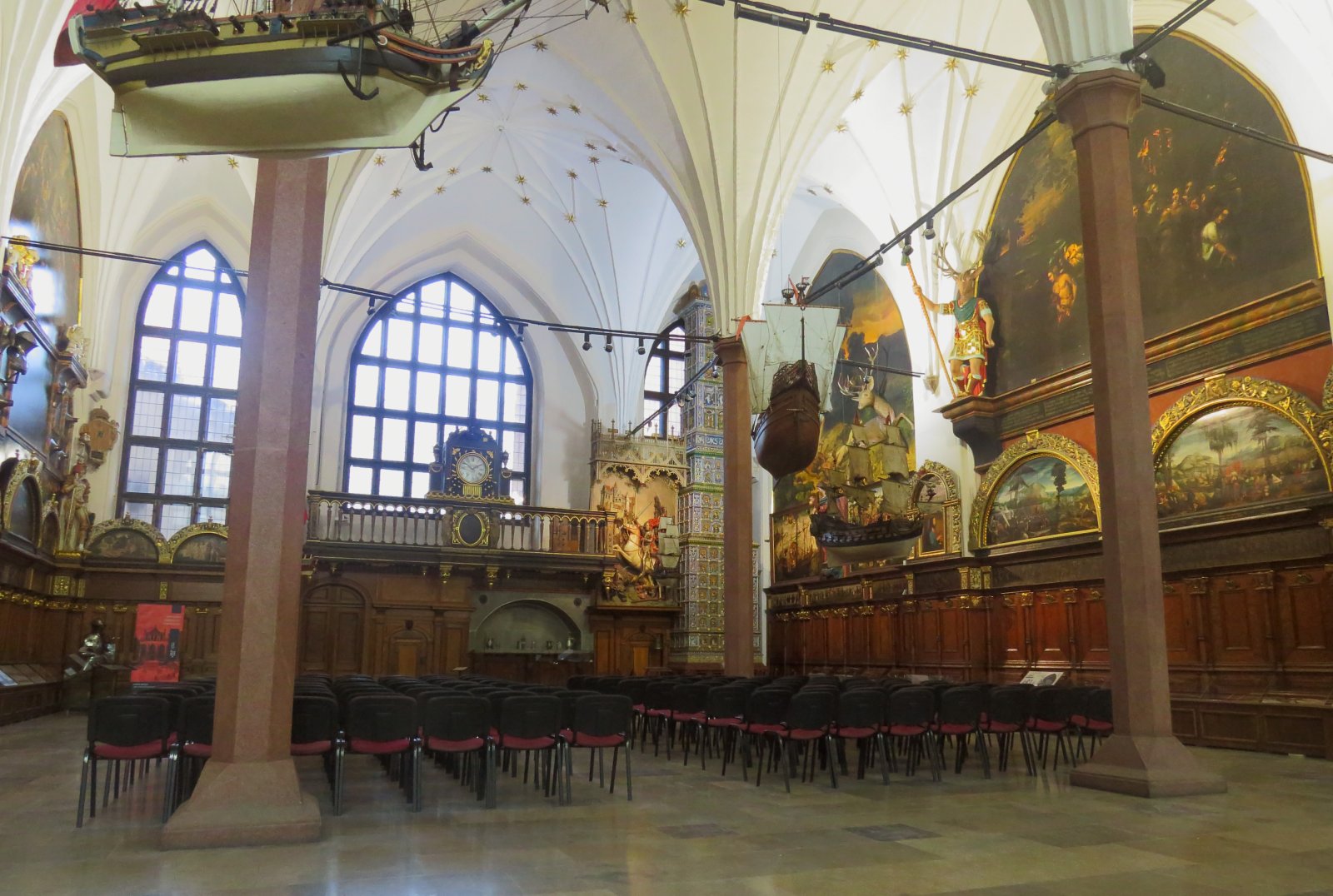
Architecturally, the Arthus Court is a masterpiece of Gothic and Renaissance styles, bearing witness to the city's prosperous past. Its façade, adorned with intricate sculptures and ornate details, invites visitors into a grand interior that is equally mesmerizing. Inside, the Great Hall boasts a spectacular 16th-century tiled stove, one of the largest of its kind in Europe, standing at over 10 meters tall. This stove is not merely a functional piece but a work of art, embellished with 520 tiles depicting biblical scenes, coats of arms, and mythological figures. The hall’s ceiling, resplendent with celestial motifs, further accentuates the court's artistic significance.
Beyond its architectural allure, Arthus Court remains a cornerstone of Gdańsk's cultural fabric. It is a living testament to the city's rich traditions and historical significance. The court plays a pivotal role during the St. Dominic's Fair—one of the oldest and largest trade fairs in Europe, dating back to 1260. This annual event transforms the area into a bustling marketplace, where locals and tourists alike can immerse themselves in a kaleidoscope of colors, sounds, and flavors, celebrating the city's vibrant heritage.
Gastronomy around Arthus Court offers a delightful journey through the flavors of Pomeranian cuisine. Visitors can savor traditional dishes such as pierogi—dumplings stuffed with varied fillings like minced meat, cheese, or seasonal fruits, and żurek, a sour rye soup often served with sausage and hard-boiled eggs. For those with a sweet tooth, szarlotka (Polish apple pie) is a must-try, often enjoyed with a scoop of vanilla ice cream. These culinary delights are best paired with a glass of Goldwasser, a legendary herbal liqueur originally produced in Gdańsk, known for its swirling flakes of 23-carat gold leaf.
For those seeking lesser-known curiosities, Arthus Court is home to many intriguing secrets. One such tale involves the court's connection to the famous astronomer Johannes Hevelius, a native of Gdańsk, who is said to have frequented the court. His observations and contributions to astronomy were pivotal, and his legacy is still celebrated in the city today. Additionally, keen-eyed visitors might spot the mysterious "Green Gate," which once served as a meeting place for the city's influential Masonic lodges.
When planning a visit to Arthus Court, timing can enhance the experience. The best period is during the late spring or early autumn when the weather is mild, and the city's natural beauty is at its peak. During these times, the surrounding streets of the Long Market (Długi Targ) are alive with activity, offering a perfect blend of history, culture, and modern-day Polish life.
For a truly rewarding visit, take your time to explore the intricate details of the court's architecture and art. Joining a guided tour can provide deeper insights into its storied past and hidden gems. Remember to also wander through the nearby streets, where each corner tells its own story, offering a glimpse into the life and times of medieval Gdańsk.
Arthus Court is more than just a relic of the past; it is a vibrant tapestry of history, art, and culture that continues to inspire and enchant all who enter its storied halls.
