



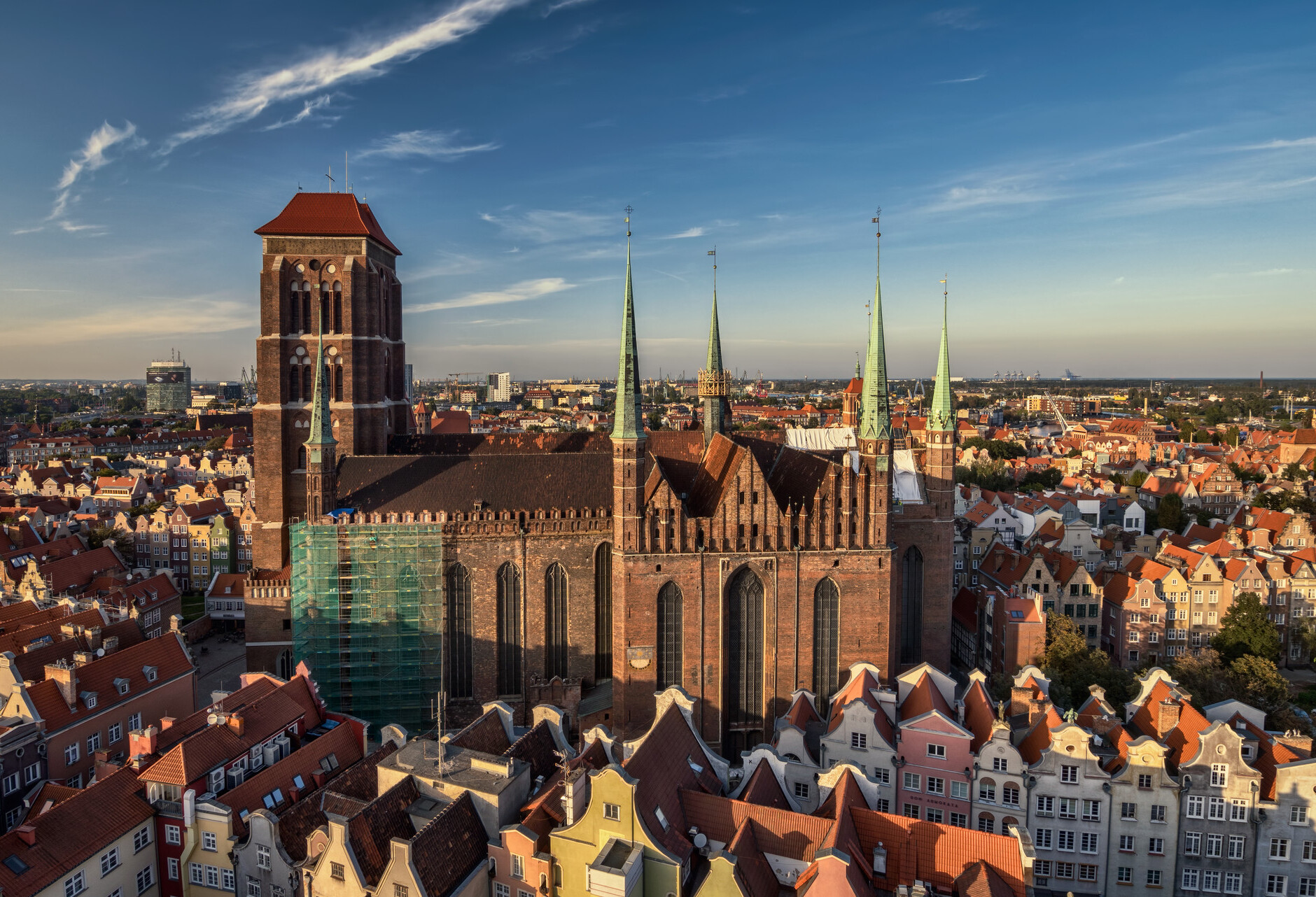
In the heart of Gdańsk, the towering silhouette of St. Mary’s Basilica dominates the skyline, a testament to centuries of history and craftsmanship. As the largest brick church in the world, it stands not only as a place of worship but as a symbol of resilience and cultural heritage.
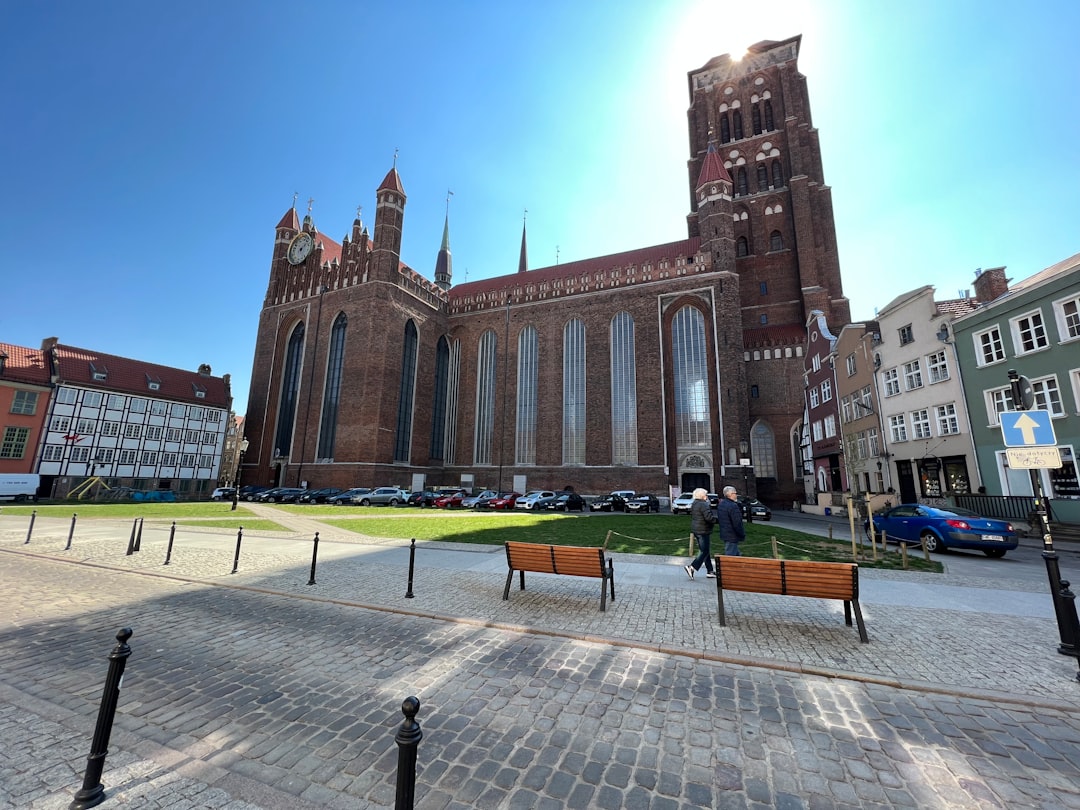
History and Origins Construction of St. Mary’s Basilica began in 1343, during the height of the Teutonic Knights' influence, and was completed in 1506. Originally built as a Roman Catholic church, it has witnessed pivotal moments in Polish history. The church played a significant role during the Reformation in the 16th century, becoming a Protestant place of worship before reverting back to Catholicism. A notable event occurred during martial law from 1981 to 1983, when members of the Solidarity movement sought refuge within its walls, reinforcing the basilica's role as a sanctuary in times of turmoil.
Art and Architecture St. Mary’s Basilica is an exemplary model of Gothic architecture, featuring a stunning façade adorned with intricate brickwork and pointed arches. Its interior is a marvel, with 37 stained glass windows filtering light onto the expansive nave, which can accommodate up to 25,000 people. Among its treasures is the astronomical clock, crafted in 1464, that not only tells time but also tracks the phases of the moon and the positions of celestial bodies. Legend holds that the clockmaker was blinded to ensure that no one would surpass his masterpiece.
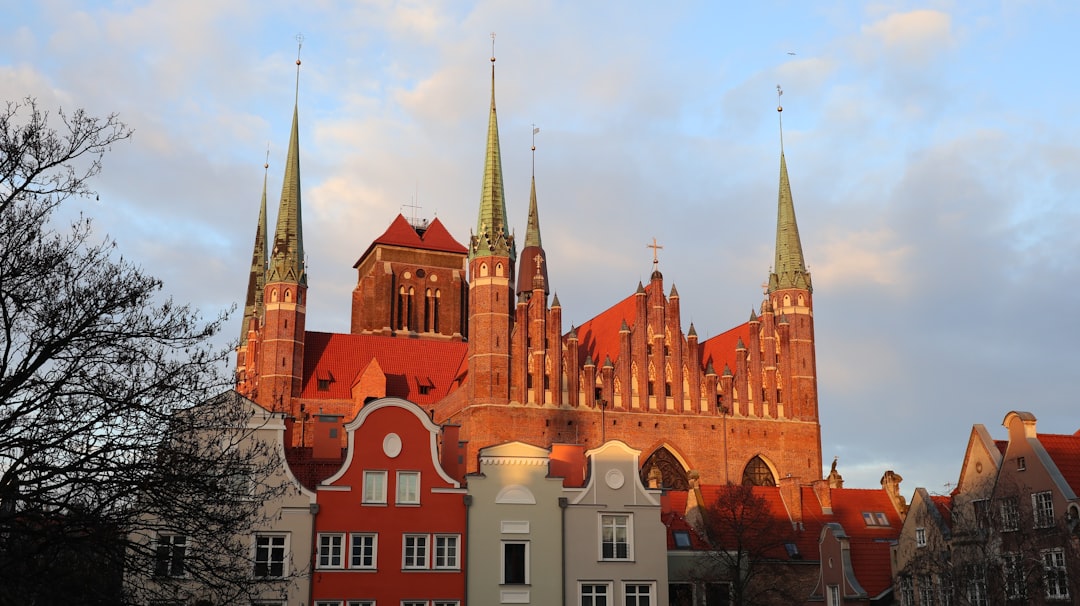
Notable artworks include elaborate altarpieces and sculptures, such as the Crucifixion carved by a father distraught over his son's waywardness, a poignant reminder of the deep connections between art and personal stories.
Local Culture and Traditions The basilica is more than just a historical landmark; it is woven into the fabric of local culture. Festivals such as Corpus Christi see vibrant processions that pass through the basilica, celebrating the importance of faith in the community. The church also hosts concerts, where the sounds of classical music echo through its grand halls, enhancing its role as a cultural hub.
Gastronomy Visiting St. Mary’s Basilica offers a perfect opportunity to explore Gdańsk’s culinary delights. Nearby, you can sample pierogi—Polish dumplings filled with a variety of ingredients such as potatoes, cheese, or sauerkraut. Zurek, a sour rye soup often served in bread, is a must-try, as is the local golden beer, which has been brewed in the region for centuries. Pairing these dishes with a glass of mead, a sweet honey wine, can provide a true taste of Polish tradition.
Lesser-known Curiosities While most visitors are drawn to the basilica's grand architecture, there are intriguing stories that often go unnoticed. For instance, the Purse Maker's Door, one of the seven access points to the church, has a fascinating origin tied to local craftsmen. Additionally, the basilica's whitewashed frescoes post-World War II, while initially perceived as a loss, now enhance the visibility of the numerous relics and sculptures, creating a unique ambiance that captivates visitors.
Another curious detail involves the tombstones within the church. Over 300 tombstones are scattered throughout, many belonging to notable figures from Gdańsk’s past, including merchants and civic leaders, showcasing the city’s rich maritime history.
Practical Visitor Information The best time to visit St. Mary’s Basilica is during the spring and summer months when the weather is mild, and the surrounding streets come alive with outdoor markets and festivals. Arriving early in the morning allows for a quieter experience, granting you time to appreciate the stunning architecture and art without the crowds.
Don’t forget to climb the 405 steps to the 78-meter tower for breathtaking views of Gdańsk's Old Town—a reward well worth the effort. Make sure to look for the intricate details of the astronomical clock and the unique doors that add character to the basilica’s exterior.
As you plan your visit to this architectural gem, consider using the Secret World app for a personalized AI itinerary to enhance your experience in Gdańsk.
