
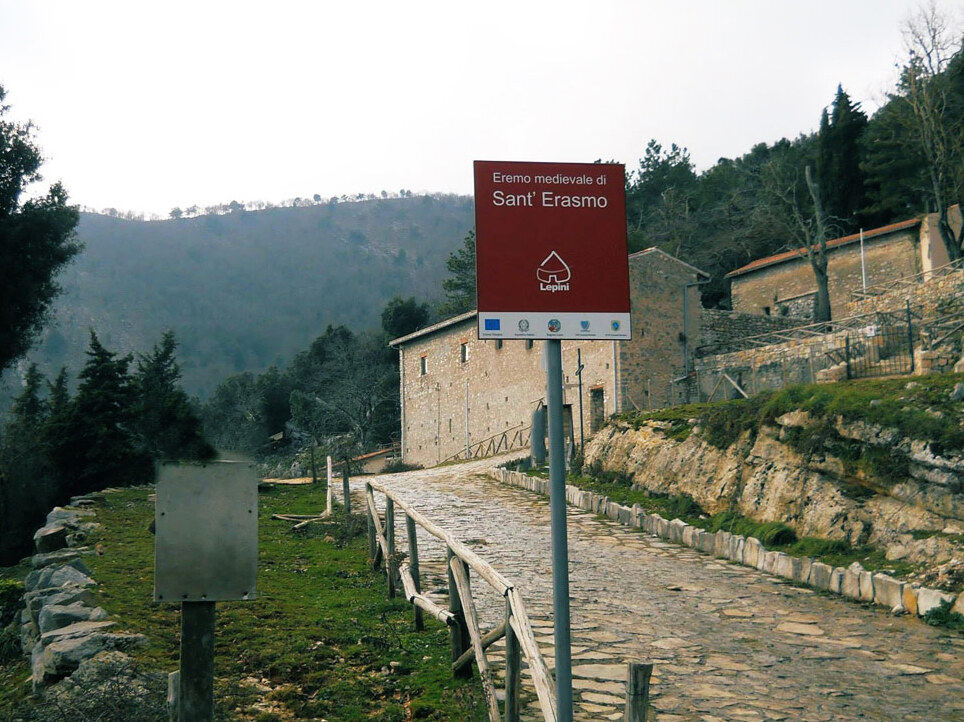

Nestled high in the Lepini Mountains, at about 800 meters above sea level, the Hermitage of St. Erasmus emerges like a hidden gem, beckoning visitors to uncover its serene beauty and rich history. Located approximately 4.5 kilometers from the center of Roccagorga, this sacred site is not only a tribute to the village’s patron saint but also a testament to the resilience and devotion of its people.
The origins of the hermitage trace back centuries, with its roots deeply embedded in the spiritual fabric of the region. The site, believed to have been established in the Middle Ages, has served as a refuge for those seeking solace and connection to the divine. Historical records suggest that the hermitage was part of a network of paths linking the Abbey of Fossanova to the Abbey of Valvisciolo, facilitating the movement of monks and pilgrims alike. Key events, such as the hiding of St. Erasmus's bust during the plundering by German forces, further accentuate its significance as a safe haven during turbulent times.
Architecturally, the small church at the hermitage exhibits a rectangular plan with a single nave, showcasing the simplicity and elegance typical of religious buildings from its era. The altar is adorned with a striking fresco depicting St. Erasmus in his bishop's attire, a visual narrative that speaks to his revered status within the community. Visitors will also find a statue of the saint, surrounded by numerous votive offerings, each a testament to the faith and gratitude of the worshippers. The sacristy holds a poignant memorial stone, commemorating the bravery of local citizens who safeguarded the bust of St. Erasmus, embodying the spirit of resistance and devotion that defines Roccagorga.
Local culture is vibrant and deeply intertwined with the traditions surrounding the hermitage. Every May, the community embarks on a pilgrimage to the hermitage, a tradition that has persisted for centuries. This ascent is not merely a physical journey; it is a profound expression of faith and communal identity. The event fosters a sense of unity among locals, as they traverse the scenic paths that connect the village to their sacred site. During this time, the air is filled with the sounds of laughter, prayers, and the rustling of leaves, creating an atmosphere of reverence and celebration.
The culinary scene in Roccagorga is equally compelling, reflecting the agricultural bounty of the region. Visitors can indulge in local delicacies such as pasta alla gricia, a traditional dish made with guanciale, pecorino cheese, and black pepper, which showcases the simplicity of Italian cuisine. Additionally, the area is known for its olive oil, praised for its rich flavor and health benefits. Local vineyards produce exquisite wines that pair beautifully with the region's dishes, offering an authentic taste of Lazio.
Beyond the well-trodden paths, the hermitage harbors lesser-known curiosities that add to its charm. For instance, the surrounding area is rich in flora and fauna, making it a paradise for nature enthusiasts. The thick vegetation surrounding the hermitage is home to various species, some endemic to the region, offering a glimpse into the ecological diversity of the Lepini Mountains. Additionally, the hermitage’s strategic location offers breathtaking views of the surrounding landscape, a sight that is often overlooked by visitors who focus solely on the church itself.
For those planning a visit, the best time to explore the Hermitage of St. Erasmus is during the spring months, particularly in May when the pilgrimage takes place. This period not only provides an opportunity to witness the local traditions but also allows visitors to enjoy the blooming wildflowers that adorn the paths. It is advisable to wear comfortable shoes for the ascent, as the journey involves navigating winding trails that can vary in difficulty. Be sure to bring a camera to capture the stunning vistas along the way.
As you explore this remarkable site, take a moment to reflect on the stories and traditions that have shaped the Hermitage of St. Erasmus into a cherished landmark for the people of Roccagorga. Engaging with the locals will deepen your understanding of their customs and the significance of this sacred space, providing a rich cultural experience.
For a truly personalized experience in planning your visit to Roccagorga, consider using the Secret World app to craft an itinerary that aligns with your interests.


