
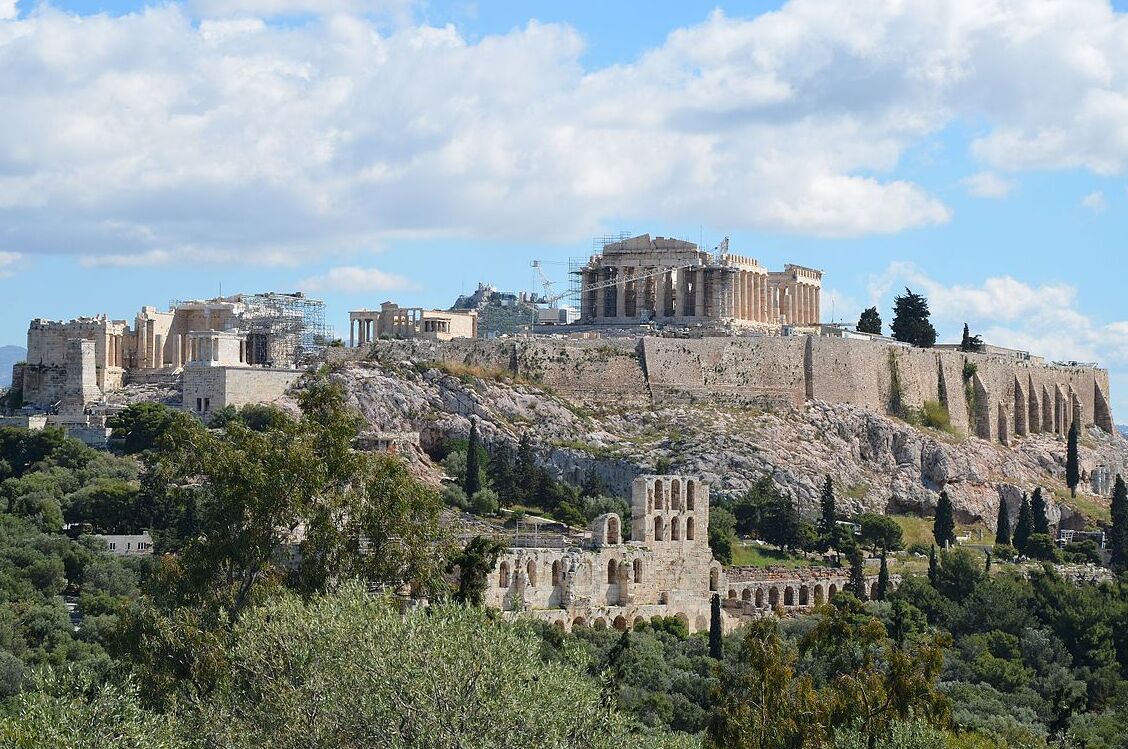

Perched majestically over the sprawling city of Athens, the Acropolis is not just a historical site; it is the very heart of ancient Greek civilization, echoing the whispers of gods and philosophers alike. This iconic citadel, with its breathtaking views and monumental structures, has captivated countless visitors and scholars since its founding thousands of years ago.
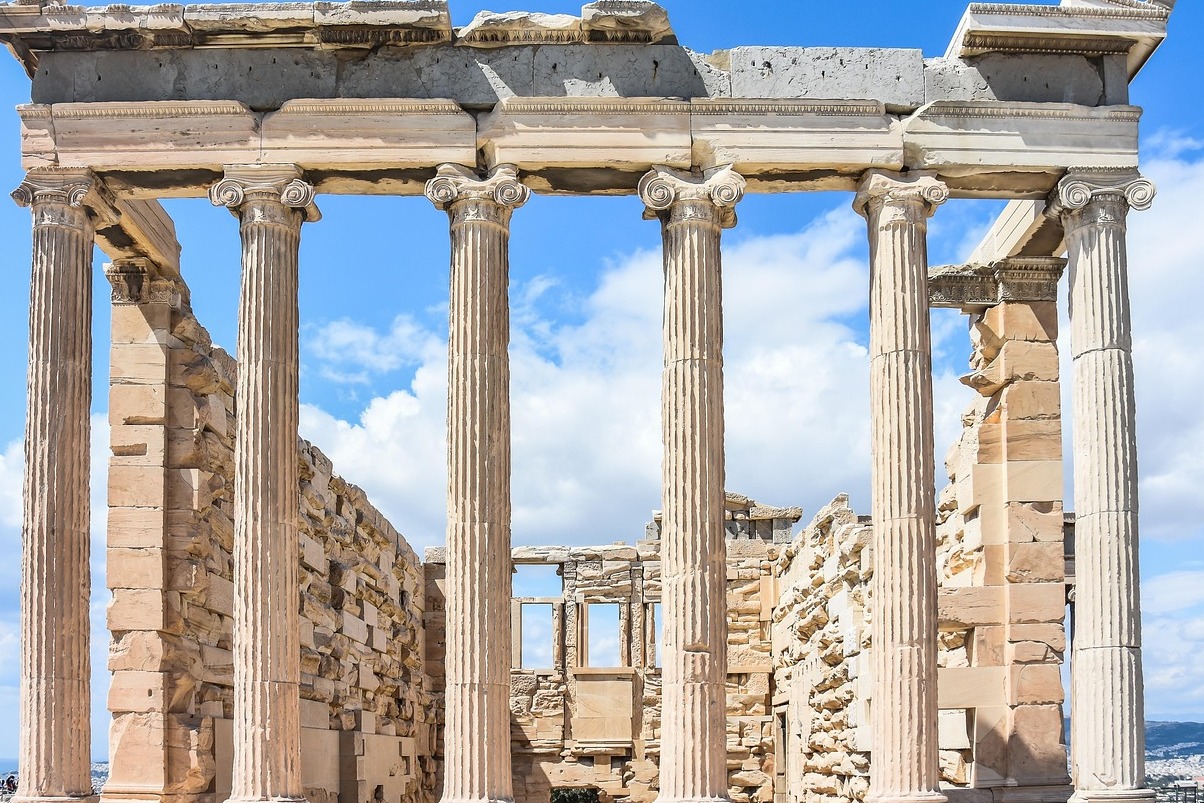
The origins of Athens can be traced back to the Neolithic period, around 3000 BC, but it was during the 5th century BC, known as the Golden Age of Pericles, that the Acropolis saw its most significant developments. The landmark became a center for worship, politics, and culture, embodying the spirit of Democracy and the flourishing of arts. Notably, it was during this golden epoch that the famed philosopher Socrates roamed the streets, engaging in dialogues that would shape Western thought.
The Acropolis is home to several stunning structures, each telling its own story. The Propylaea, a grand entrance adorned with both Ionic and Doric columns, serves as the threshold to this sacred site. As you ascend, the sheer scale and beauty of the structures become apparent, with the Temple of Athena Nike to the left. Originally built in 427 BC, this small temple was dedicated to the goddesses of victory and is renowned for its exquisite friezes that depict historical battles. Although it suffered damage during the 17th century, its restoration allows visitors to appreciate its architectural elegance.
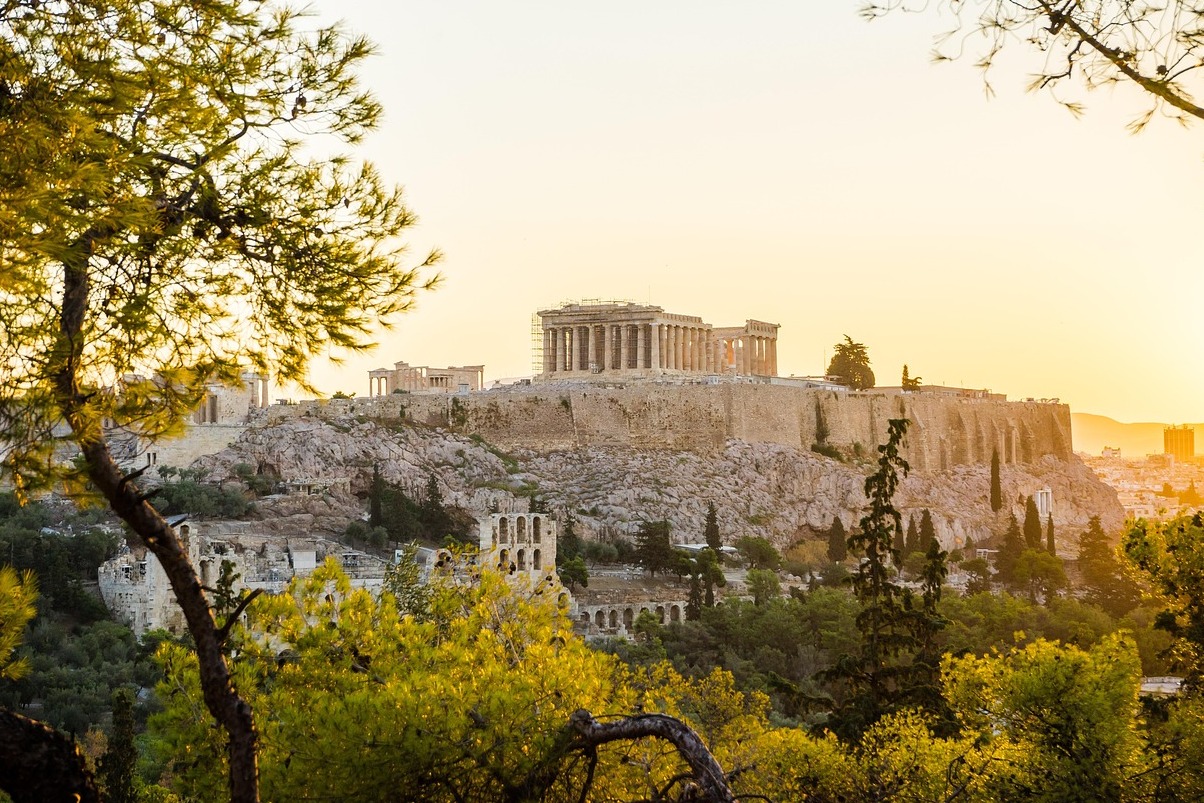
At the heart of the Acropolis lies the Parthenon, perhaps the most celebrated of all classical buildings. Constructed between 447 and 432 BC, this temple was dedicated to Athena Parthenos, the patron goddess of Athens. Built entirely from Pentelic marble, the Parthenon is not just a temple; it is a symbol of ancient Greek democracy and artistic achievement. The massive statue of Athena, crafted by the sculptor Phidias, once stood within, a testament to the artistic prowess of the era, though it has since been lost to history. Visitors often find themselves spellbound by the Parthenon’s perfect proportions and intricate sculptures, including the famed Elgin Marbles, a collection of classical Greek marble sculptures that once adorned the temple's frieze.
Beyond the architectural marvels, Athens is a vibrant tapestry of culture and tradition. The city's annual festivals, such as the Athens Epidaurus Festival, celebrate ancient drama and arts, showcasing performances in the historic Herodes Atticus Theatre, an ancient amphitheater built in 161 AD. These events not only honor the city’s rich theatrical past but also immerse visitors in the lively spirit of contemporary Greek culture. Furthermore, local customs such as Ohi Day on October 28th commemorate the Greek resistance against Axis forces during World War II, reflecting the deep national pride that permeates the city.
A visit to Athens would be incomplete without indulging in its gastronomic delights. The city is a food lover's paradise, offering a plethora of traditional dishes. Sample Souvlaki, skewered meat grilled to perfection, or savor the rich flavors of Moussaka, a layered dish made with eggplant, minced meat, and béchamel sauce. Don’t forget to try Spanakopita, a flaky pastry filled with spinach and feta cheese, best enjoyed with a glass of Ouzo, the anise-flavored aperitif that is as much a part of Greek culture as the Acropolis itself.
For travelers seeking to uncover the lesser-known aspects of Athens, there are hidden gems just waiting to be explored. Many visitors overlook the Odeon of Herodes Atticus, an ancient theater that still hosts performances today. The Acropolis Museum, with its modern design, houses artifacts that narrate the Acropolis's history, including the remnants of the Parthenon sculptures. Additionally, the Philopappos Hill, located just southwest of the Acropolis, offers a quieter space for reflection and stunning panoramic views of the city, perfect for those looking to escape the bustling crowds.
When planning your journey to Athens, consider visiting during the spring (April to June) or fall (September to October) when the weather is mild and the tourist crowds are thinner. Be sure to wear comfortable shoes for the steep climbs and bring plenty of water, as exploring the Acropolis can be quite a workout.
To fully appreciate the essence of Athens and the Acropolis, take your time to stroll through the surrounding Plaka neighborhood, where narrow streets are lined with charming cafes and boutiques. Embrace the local lifestyle, enjoy a leisurely meal, and soak in the rich history that envelops you.
In this city where ancient meets modern, the Acropolis stands as a testament to human achievement and resilience, inviting each visitor to witness its timeless beauty. For a personalized journey through this enchanting city, consider using the Secret World app to craft your ideal itinerary.


