
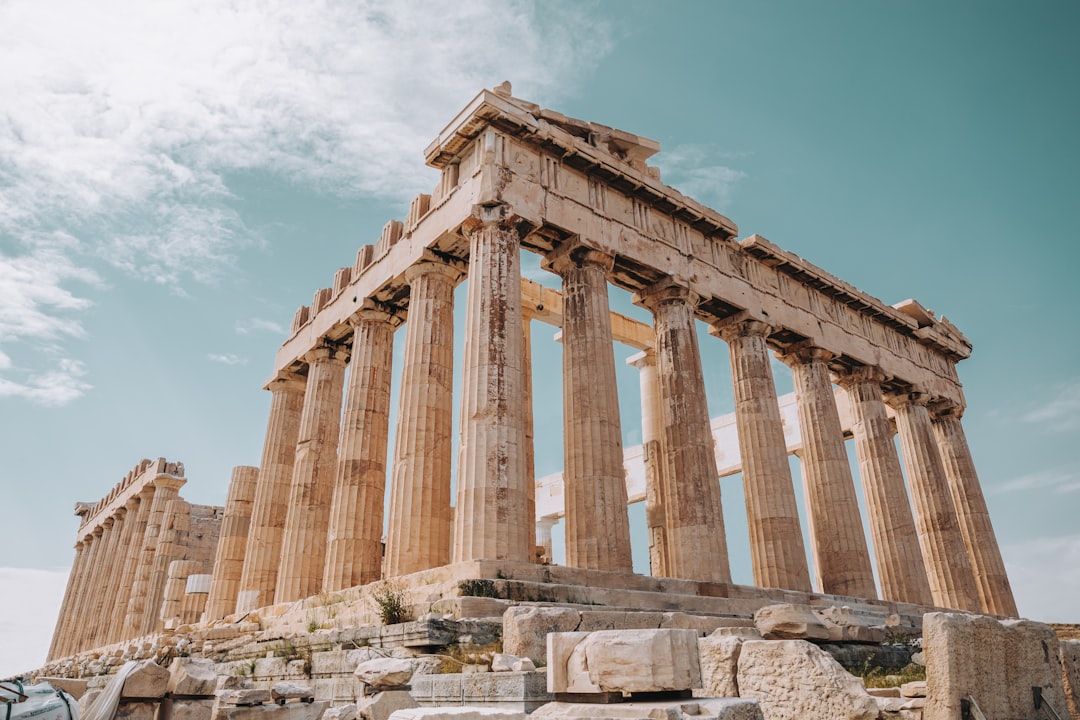

In the pulsating heart of Athens, the imposing silhouette of the Parthenon rises majestically, a testament to a civilization that has influenced the entire world. This ancient temple, dedicated to the goddess Athena, is not just a building, but a true ode to classical Greek architecture, a symbol of beauty, balance, and perfection.
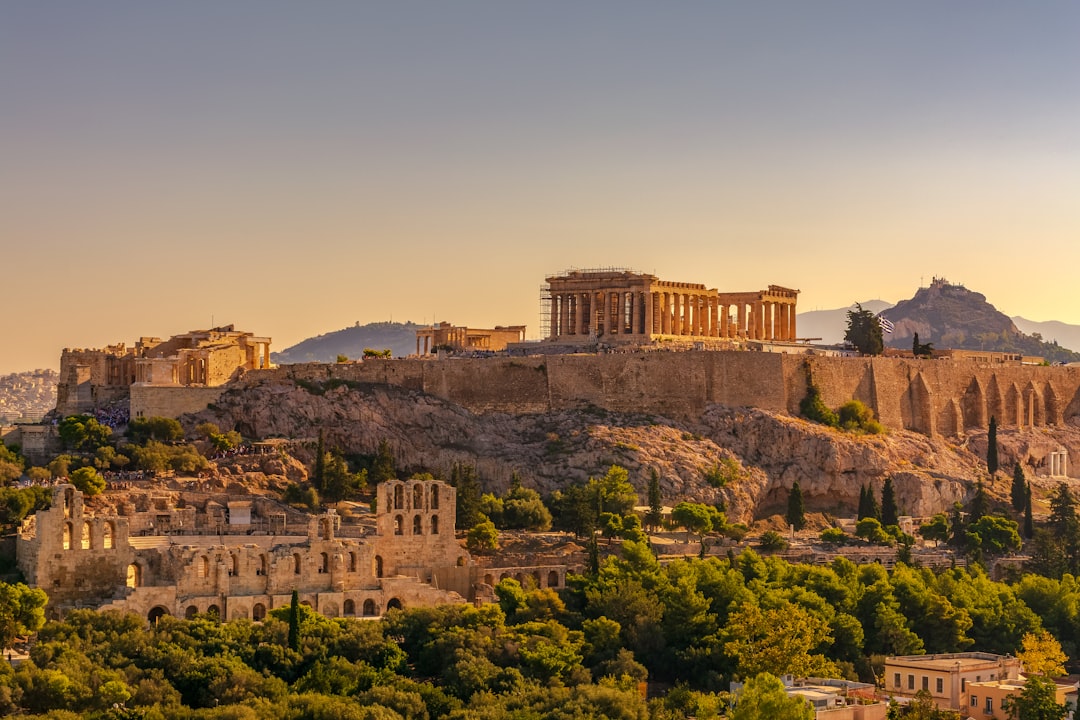
Built in the 5th century BC, the Parthenon represents the pinnacle of Doric art and the manifestation of the philosophical and artistic thought of the era. Each column, each sculpture tells a story, a deep connection with Greek history and mythology. Visiting the Parthenon means not only observing a monument but embarking on a journey through centuries of culture, spirituality, and architectural innovation.
A Masterpiece of Doric Architecture
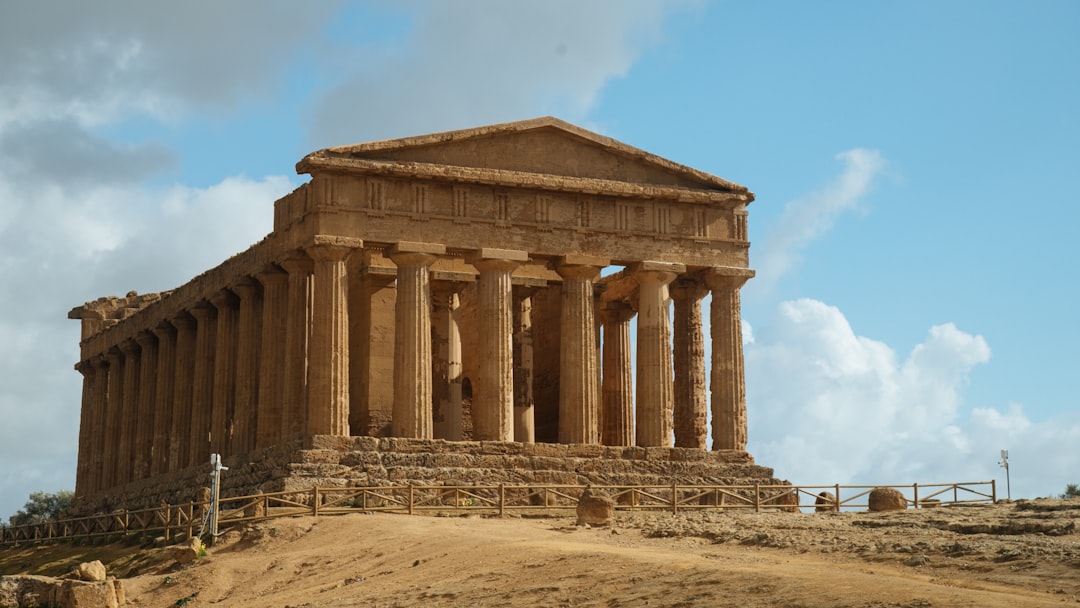
The Parthenon, dedicated to the goddess of wisdom and war, Athena, is the emblem of Doric architecture, with its characteristic simple and massive style. Its columns, tall and slender, create an impressive illusion of lightness and proportion. Each pillar is made of Pentelic marble, a material that gives a unique warmth to the stone, with shades that change depending on the light of the day.
Designed by the architect Ictinus and decorated by the sculptor Phidias, the Parthenon is not just a temple, but a total work of art. Its façade is adorned with friezes and sculptures that narrate mythological stories, such as the contest between Athena and Poseidon for dominion over Athens. These sculptures, which once decorated the temple, are now admired at the Acropolis Museum, but their remains on the Parthenon continue to tell stories of battles and deities.

Symbol of Culture and Resilience
In addition to its extraordinary architectural beauty, the Parthenon has a troubled history, a symbol of resilience and cultural continuity. Over the centuries, it has undergone numerous changes: from a pagan temple to a Christian church, then to a mosque under Ottoman occupation. These transformations have left evident marks on the structure, making the Parthenon a symbol of cultural integration and faith.

In 1687, during a Venetian siege, the Parthenon suffered severe damage, a sign of how beauty can sometimes be struck by war. However, its restoration has initiated a process of cultural reappropriation, which has seen the international community mobilize to preserve this invaluable treasure. Today, restoration work continues, to ensure that the Parthenon can tell its story for future generations.
A Unique Sensory Experience

Visiting the Parthenon is an unforgettable sensory experience. As you approach, the scent of Mediterranean vegetation and the song of birds accompany the visitor. The sight of the structure, standing out against the blue sky, is breathtaking. Every corner offers unique perspectives, making the visit an opportunity to grasp the magnificence of Greek architecture.
But it is the emotion felt once inside the archaeological site that makes the experience truly memorable. The feeling of being surrounded by such a rich historical heritage, the stories of men and women who walked on these very stones centuries ago, creates a deep connection with the past. And as the sun sets, the Parthenon lights up, providing a magical, almost mystical atmosphere that invites reflection and wonder.
Conclusions: A Universal Heritage
In conclusion, the Parthenon is not just a monument to visit, but a living symbol of human culture. Its perfect architecture, rich history, and universal significance make it a pilgrimage site for anyone wishing to understand the essence of Western civilization. Each visitor carries a piece of this heritage, enriching their own life with the wisdom and beauty that emanate from its columns.
There is no better way to appreciate the greatness of the Parthenon than through a direct visit: walking among its ruins, listening to the wind whisper ancient tales, and allowing oneself to be inspired by a place that has witnessed the passage of centuries like few others in the world. A trip to Athens is not complete without having contemplated the Parthenon, the true heart of Greece.


