
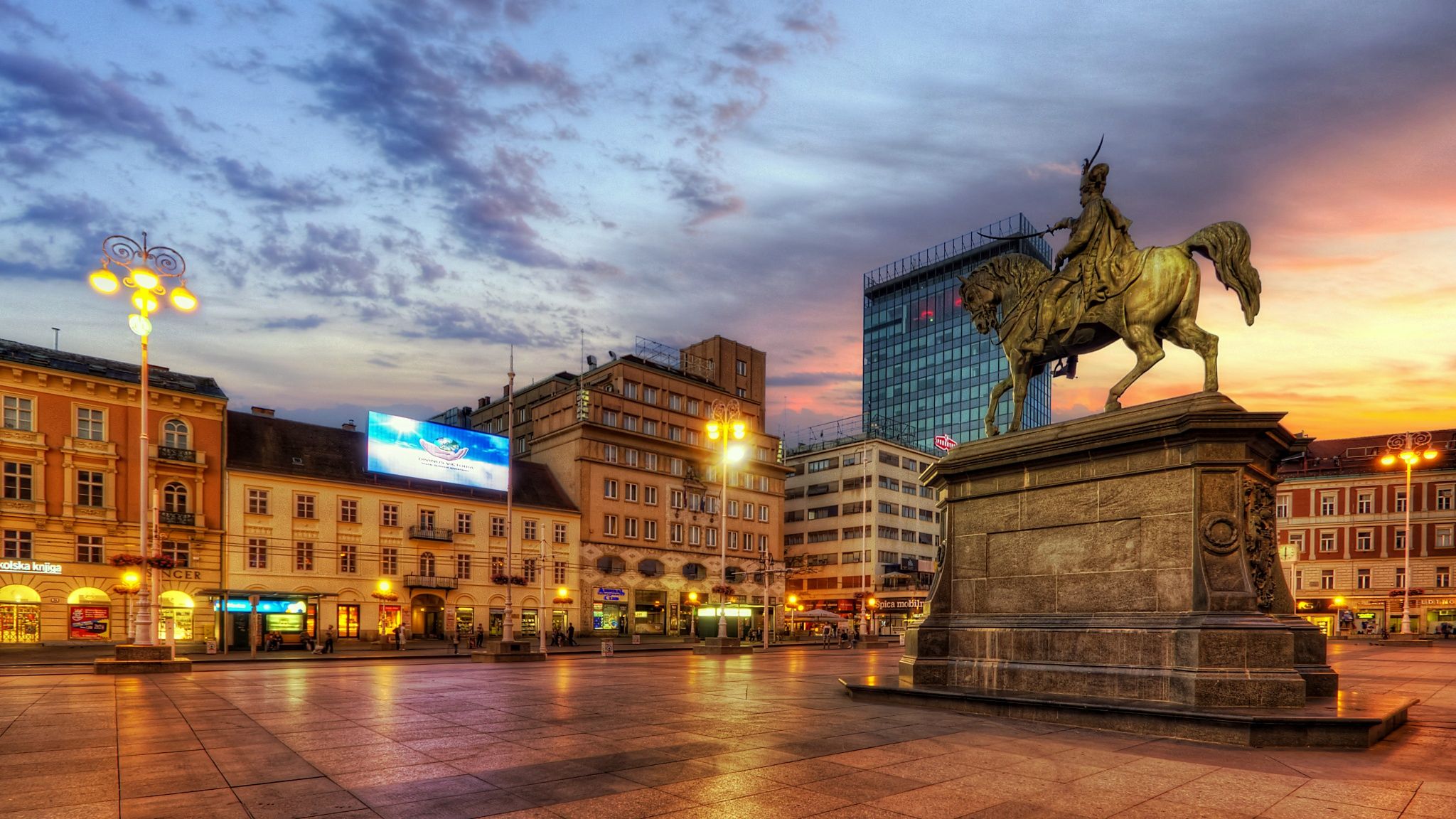

Nestled in the vibrant city of Zagreb, Ban Jelačić Square stands as a historical and cultural epicenter, pulsating with life and stories that shape Croatia's identity. This large, paved square has been the beating heart of Zagreb since the 19th century, marking the development of Donji grad, or Lower Town. Originally a marketplace, the square has evolved into a pedestrian-only haven, where locals and tourists convene amid the stunning architecture and lively atmosphere.
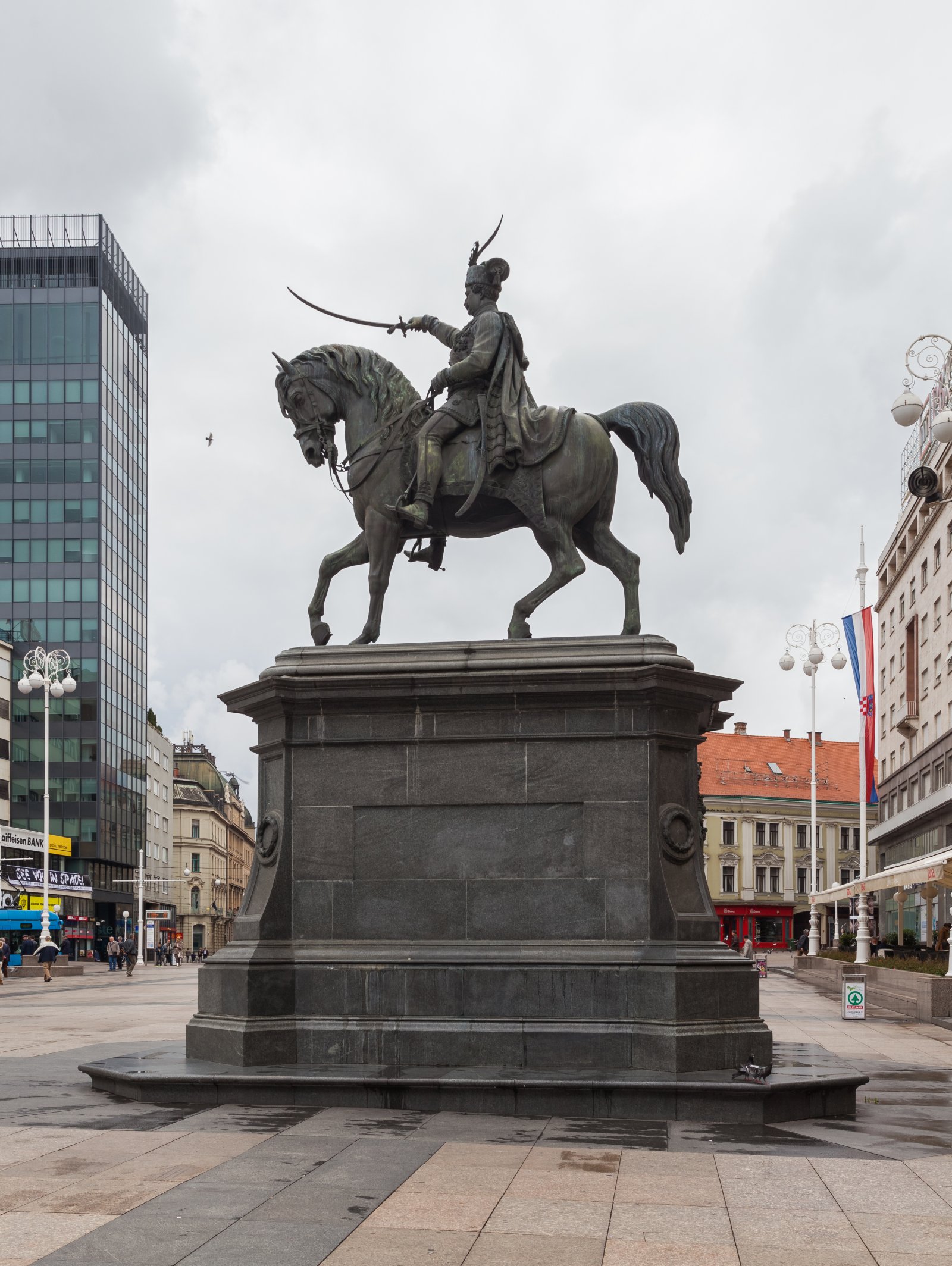
The square is named after Ban Josip Jelačić, a key figure in Croatian history who served as the viceroy under the Austro-Hungarian Empire. His bronze equestrian statue, unveiled in 1866, serves as the centerpiece, symbolizing Croatian national identity and the fight for independence. The statue, facing north towards Slavonia, was initially controversial but has since become a beloved icon.
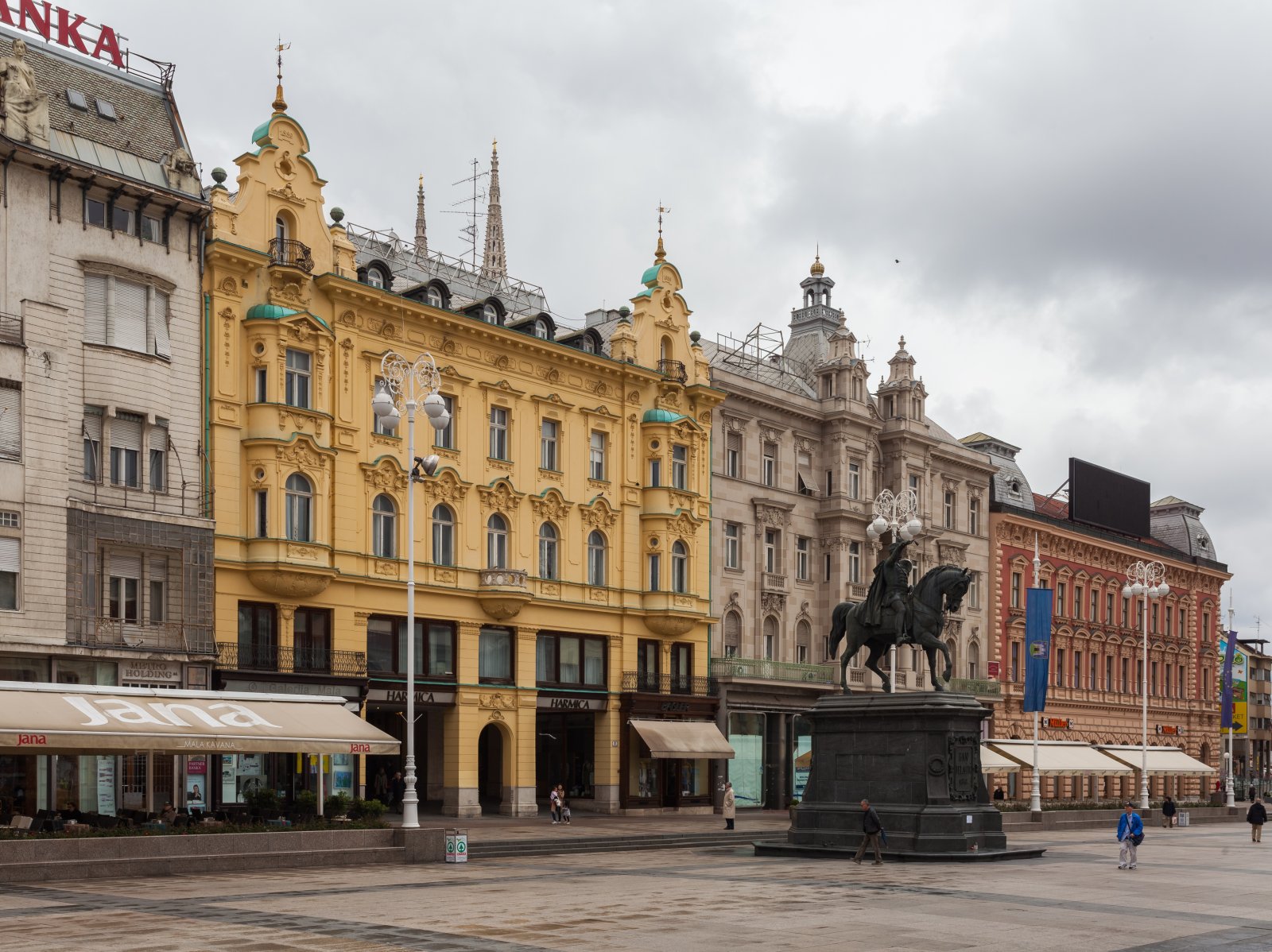
Surrounding the square, visitors are greeted by an array of Secessionist facades, characterized by their elegant pastel colors and intricate details. Notable buildings include the Zagreb City Museum, located in the historic Kula Lotrščak, and the Palace of the Croatian National Bank, both showcasing the rich architectural tapestry of the city. The blend of Baroque, Renaissance, and Secessionist styles creates an inviting atmosphere, perfect for leisurely strolls or relaxing in one of the many open-air cafes.
Cultural life in Ban Jelačić Square is vibrant, with numerous festivals and events held throughout the year. One of the most significant is the Advent in Zagreb, a festive celebration that transforms the square into a winter wonderland, complete with a Christmas market, ice skating rink, and live music performances. Visitors can also witness temporary markets and exhibitions that pop up in the square, showcasing local crafts and produce, reflecting the city's dynamic spirit.
Food lovers will delight in the culinary offerings available around the square. Traditional Croatian dishes such as štrukli (a baked pastry filled with cheese) and kulen (a spicy sausage from Slavonia) can be sampled at nearby eateries. Additionally, the square is an excellent place to enjoy a cup of Croatian coffee, often served with a side of cake or pastry, a social ritual that brings together friends and families alike.
For those seeking to uncover lesser-known curiosities, Ban Jelačić Square has its share of hidden gems. One fascinating detail is the underground tunnels that were used during World War II, remnants of a time that saw Zagreb play a crucial role in the conflict. Moreover, the square's layout is said to be aligned with several significant celestial and terrestrial points, hinting at a deeper, perhaps mystical significance that locals often ponder.
The best time to visit Ban Jelačić Square is during the spring and autumn months when the weather is mild and ideal for outdoor activities. Early morning is perfect for experiencing the square’s tranquility before the hustle and bustle of daily life begins. Don't miss the chance to explore the nearby streets, filled with boutique shops and charming restaurants that encapsulate Zagreb's unique charm.
As you wander through this historical and cultural hub, take the time to appreciate the blend of past and present that defines Ban Jelačić Square. From its rich history to its lively cultural scene, every corner offers a story waiting to be discovered. To ensure you don’t miss any hidden gems during your visit, consider utilizing the Secret World app to plan a personalized itinerary that will enrich your experience in Zagreb.


