
Katedrala, the Zagreb Cathedral, stands as a monumental testament to the rich tapestry of history, art, and culture woven into the very fabric of Zagreb, Croatia. Situated at coordinates 45.8145084, 15.9798007, this magnificent structure has evolved through centuries, reflecting the city’s resilience and artistic spirit.
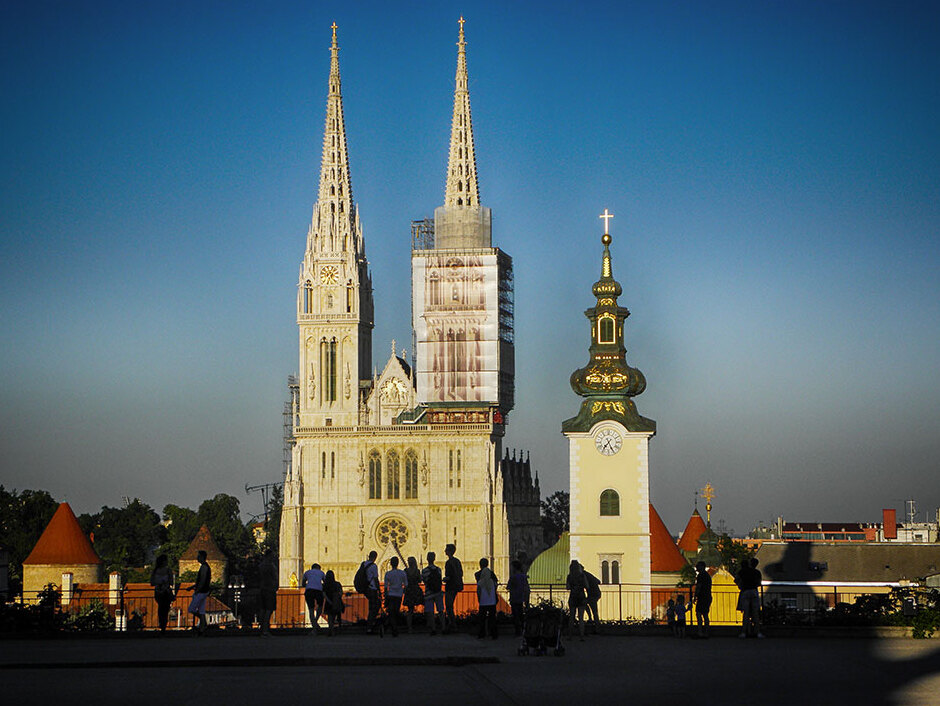
### History and Origins A church has occupied this sacred site since the 12th century, with the earliest records indicating its establishment around 1093. Originally built in the Romanesque style, the cathedral underwent significant transformations over the centuries. The most notable event occurred in 1880, when a devastating earthquake ravaged the city, necessitating extensive repairs and renovations. This led to the current neo-Gothic facade, characterized by its twin steeples that majestically reach toward the sky, making it a defining feature of the Zagreb skyline.
The cathedral has witnessed pivotal moments in Croatian history, serving not only as a place of worship but also as a symbol of national identity. The tomb of Archbishop Alojzije Stepinac adds another layer of complexity to its history. Convicted post-World War II of colluding with the Nazis, he was later exonerated by Pope John Paul II, making his grave a focal point of both reverence and controversy.
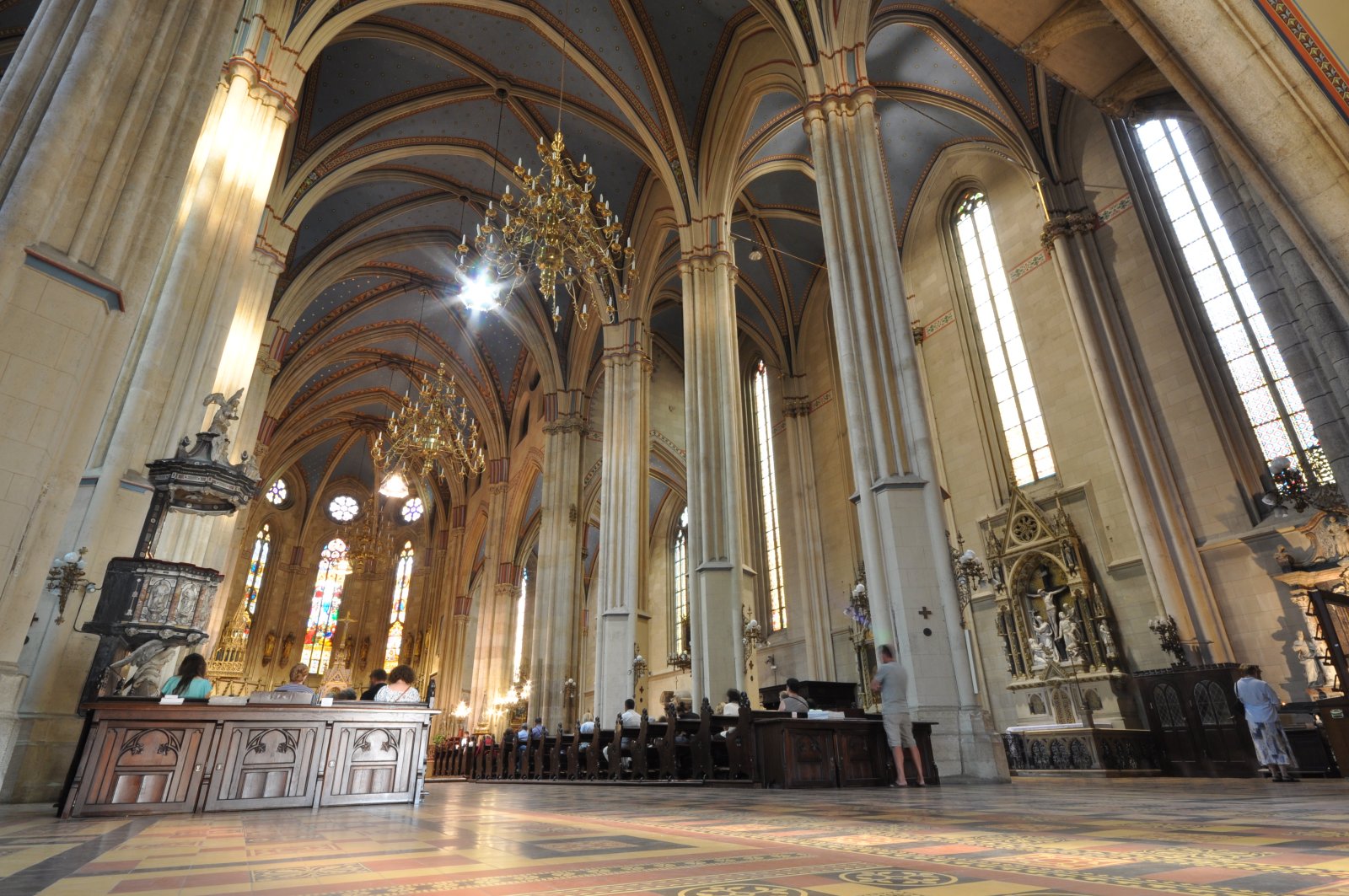
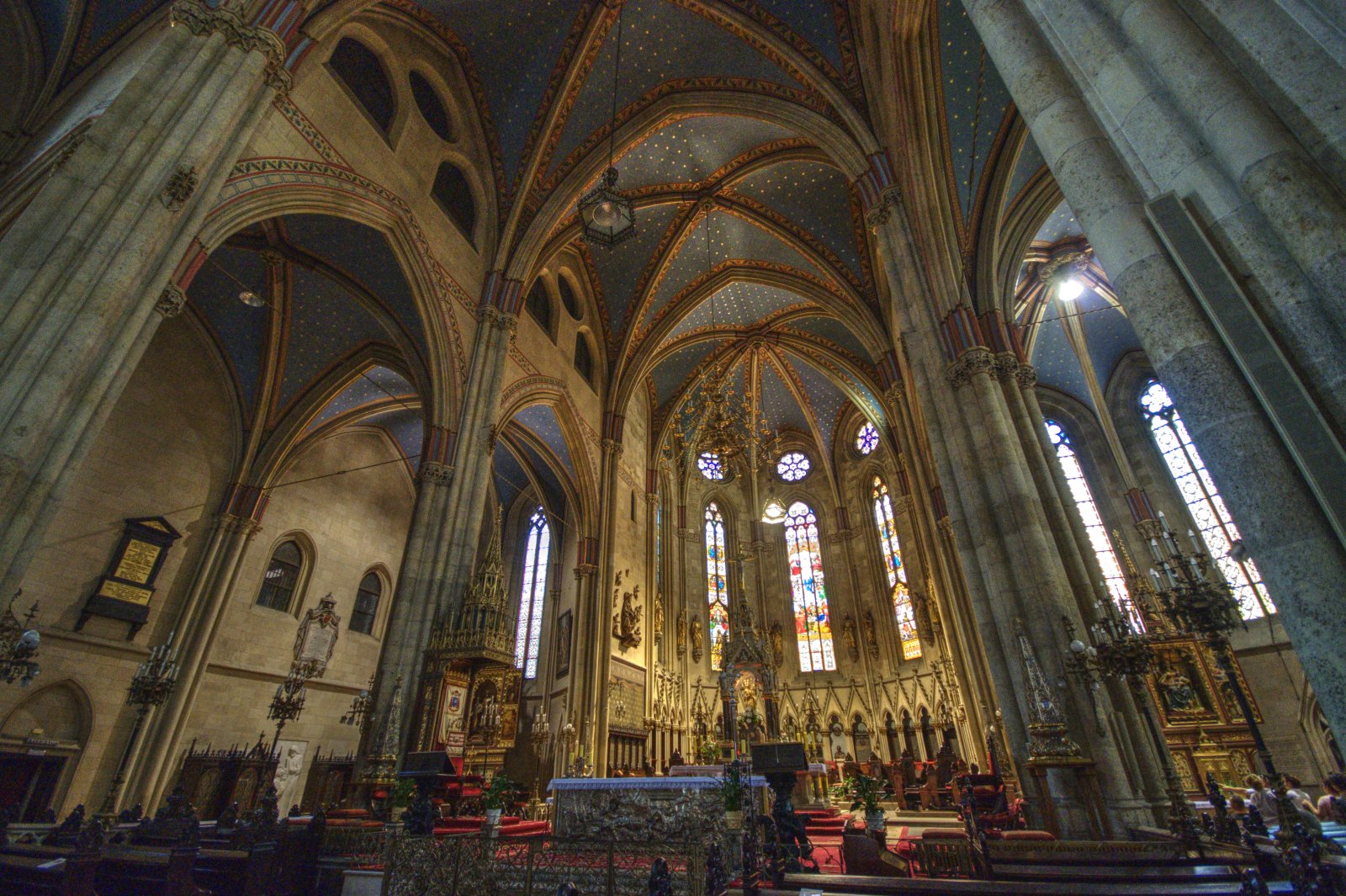
### Art and Architecture The architectural style of Katedrala is a stunning blend of neo-Gothic and Romanesque elements. The intricate details of the facade, adorned with statues and reliefs, invite visitors to explore its beauty. The soaring gold statue of the Madonna, flanked by four vibrant angels, dominates the square outside, creating a breathtaking visual experience.
Inside, the cathedral is a treasure trove of artistic significance. The north wall features a remarkable 12th-century inscription in Glagolitic script, illuminating the early Croatian language and its cultural heritage. Visitors can also admire stunning 13th-century frescoes that depict biblical scenes, echoing the artistic prowess of medieval artisans. The cathedral's stained glass windows, designed by Croatian artist Vladimir Kuliš, infuse the interior with color and spirituality, drawing the eyes upward in reverence.
### Local Culture and Traditions The cathedral is not merely a relic of the past; it remains a vibrant center of local culture. Masses, celebrations, and religious ceremonies take place regularly, drawing both locals and visitors. The Feast of the Assumption, held on August 15, is particularly significant, attracting thousands to witness the solemn procession and festivities.
Traditionally, the cathedral has played a role in important national events, including state funerals and national holidays, reinforcing its status as a symbol of Croatian resilience and unity. The Advent season also brings a festive spirit to the cathedral, with Christmas markets illuminating the surrounding areas, creating a magical atmosphere for all who visit.
### Gastronomy Exploring Zagreb wouldn’t be complete without indulging in the local gastronomy. The cathedral’s vicinity is dotted with charming cafes and eateries where one can savor traditional Croatian dishes. Don’t miss trying štrukli, a delightful dish made from dough filled with cheese, often served as a warm dessert. Pair it with a glass of Slavonian wine or a local rakija, a potent fruit brandy that is a staple of Croatian culture.
For a quick bite, enjoy a burek, a flaky pastry filled with meat or cheese, available from street vendors nearby. The combination of flavors and aromas creates a sensory experience that complements the historical grandeur of Katedrala.
### Lesser-Known Curiosities While many tourists marvel at the cathedral's exterior, few are aware of the hidden chapel located behind the main altar, which houses relics of saints and offers a quiet space for reflection. Additionally, the cathedral’s bells, which were cast in the 19th century, are known for their unique sound, a blend of tradition and craftsmanship that resonates throughout the city.
Another intriguing fact is the impressive crypt beneath the cathedral, where visitors can find the remains of prominent figures in Croatian history, often overlooked in typical tours. This space also serves as a reminder of the continuity of faith and history intertwined in Zagreb's narrative.
### Practical Visitor Information The best time to visit Katedrala is during the spring and fall months when the weather is mild, and the crowds are smaller. Early mornings or late afternoons are ideal for experiencing the cathedral's serene atmosphere. Be sure to dress modestly, as it is a place of worship; this includes covering shoulders and knees.
As you explore, take note of the intricate details, from the ornate doorways to the delicate sculptures, each telling a story of faith, resilience, and artistry. Don’t forget to bring your camera, as the cathedral and its surroundings offer countless picturesque opportunities.
In summary, Katedrala stands not just as a monument of architectural beauty but as a living testament to the enduring spirit of Zagreb. To truly appreciate its depth and significance, consider planning your visit with the Secret World app for a personalized itinerary that uncovers the hidden gems of this enchanting city.