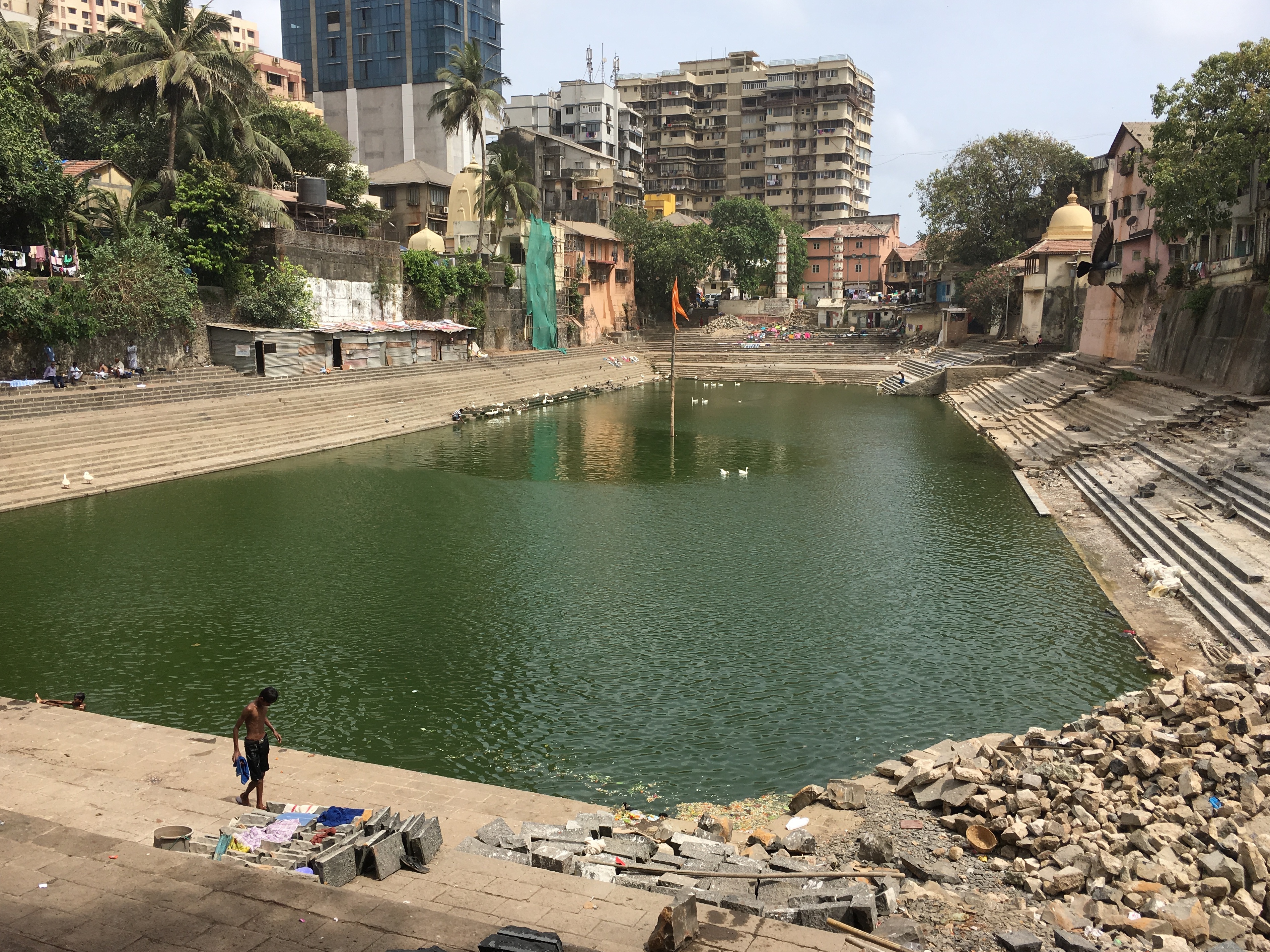

Nestled within the bustling metropolis of Mumbai, the serene Banganga Tank offers a glimpse into India's profound spiritual heritage and enduring cultural tapestry. This sacred water reservoir, located in the Malabar Hill area, stands as a testament to the city’s rich historical lineage, echoing tales from ancient times that continue to shape local traditions.
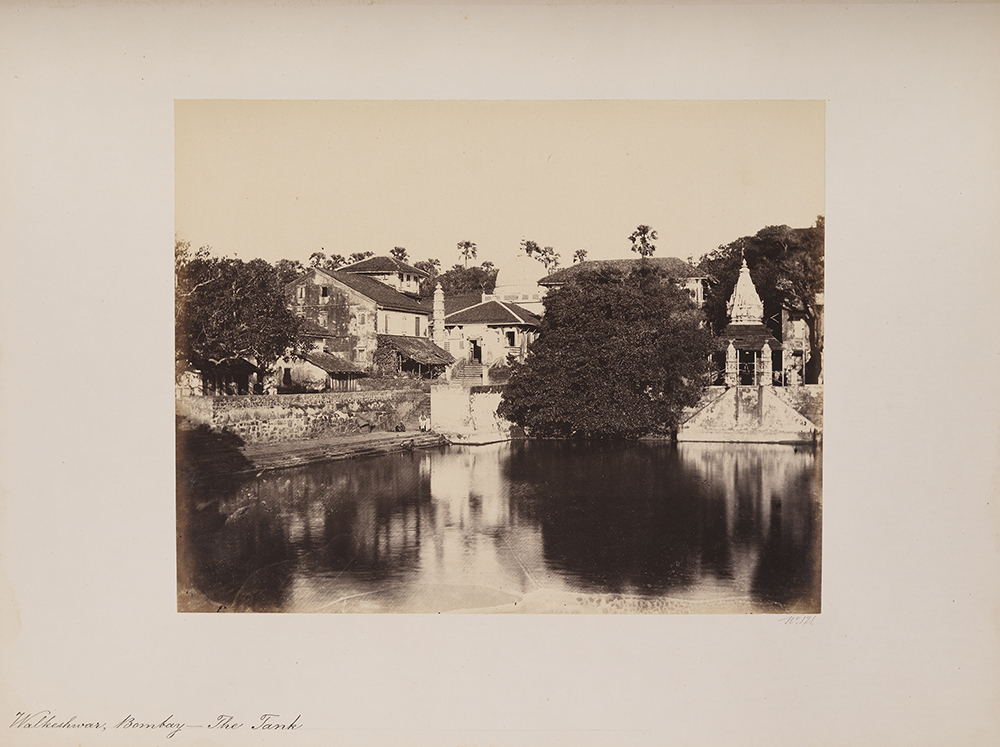
### History and Origins The origins of Banganga Tank date back to AD 1127, when it was constructed under the patronage of a minister from the Silhara dynasty. This dynasty, known for its patronage of art and architecture, played a pivotal role in shaping the cultural landscape of the region. The tank was initially destroyed during the Portuguese invasion, a turbulent period that saw many such structures ravaged. However, it was lovingly rebuilt in the 18th century with the financial support of philanthropist Rama Kamath. According to local legend, the water in the tank miraculously sprung from the earth when Lord Rama, on his quest to rescue Sita, shot an arrow into the ground, thus giving the tank its name—Baan (arrow) and Ganga (the holy river).
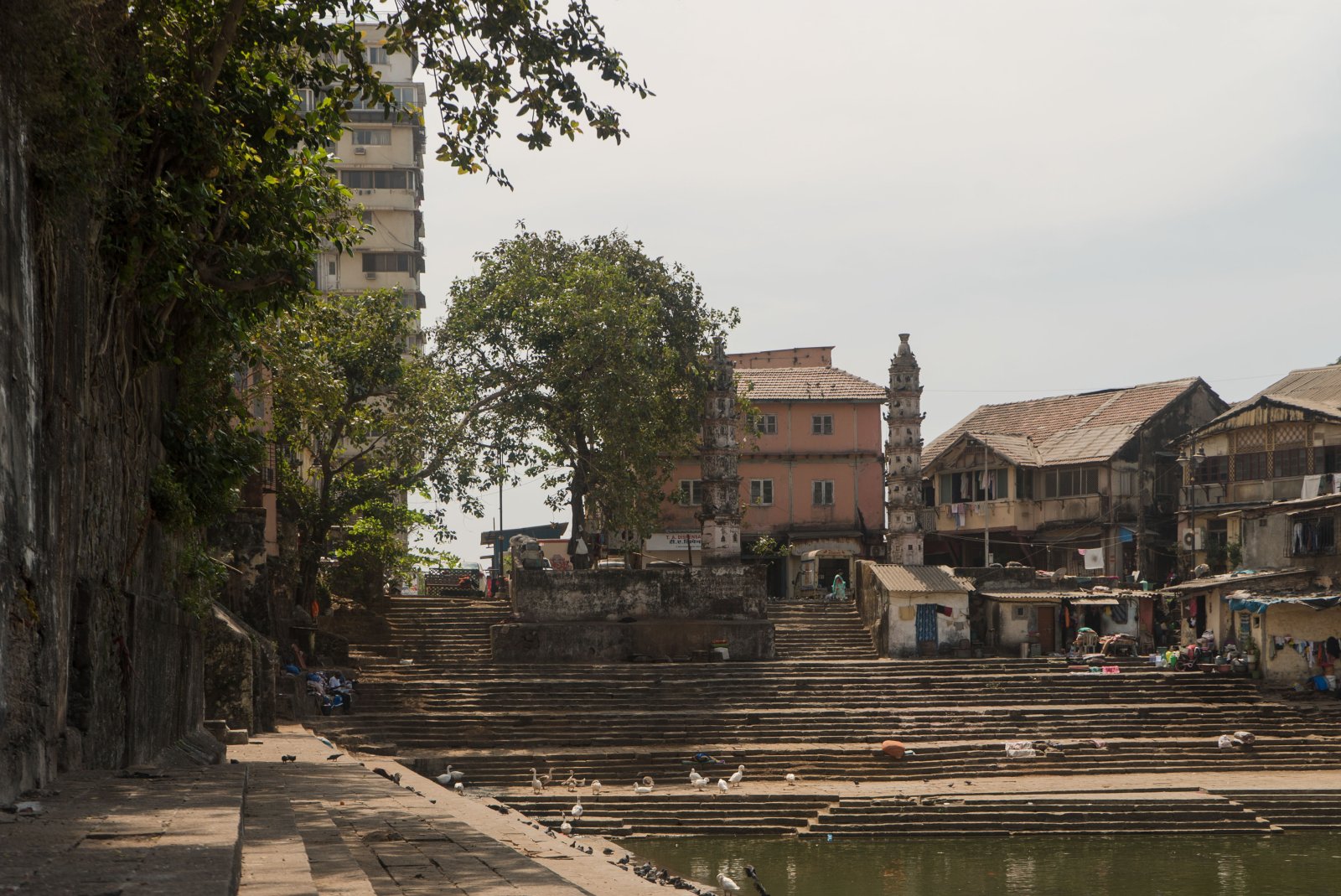
### Art and Architecture The architectural style of Banganga Tank is a blend of traditional Hindu elements characterized by its stone steps leading down to the water, reminiscent of ancient stepwells found across India. The surrounding area is dotted with Dhobi Ghats and small temples, each narrating its own story through intricate carvings and age-old stonework. The Walkeshwar Temple, adjacent to the tank, is an excellent example of the architectural prowess of the Silhara dynasty, featuring ornate pillars and a tranquil courtyard that invites contemplation.
### Local Culture and Traditions Banganga Tank is not just a historical site but a living part of Mumbai's cultural fabric. It serves as a hub for local rituals and religious ceremonies. Every year, during the month of Kartik (October-November), the area comes alive with the Banganga Music Festival, a celebration of classical Indian music that draws in artists and audiences from across the country. The tank is also a popular site for the Pitru Paksha rituals, where locals offer prayers to their ancestors, further cementing its status as a sacred space.
### Gastronomy While the tank itself might not be the center of culinary exploration, the surrounding Malabar Hill area offers a delightful array of traditional Maharashtrian snacks. Visitors can indulge in Batata Vada, spicy potato fritters, or enjoy a refreshing glass of Solkadhi, a coconut milk-based beverage infused with kokum. The local street food scene provides a taste of Mumbai’s diverse culinary heritage, offering everything from spicy Misal Pav to sweet Puran Poli.
### Lesser-Known Curiosities One of the lesser-known aspects of Banganga Tank is its status as a natural spring, which continues to supply fresh water despite being situated so close to the sea. This phenomenon, attributed to the underground sweet water springs, adds to the mystical allure of the site. Additionally, the tank and its surroundings have been featured in several Indian films, lending it a cinematic charm that captures the imagination of visitors.
### Practical Visitor Information The best time to visit Banganga Tank is during the early morning or late afternoon when the light casts a magical glow over the water, and the area is less crowded. Visitors should take the opportunity to explore the narrow lanes and historic buildings that surround the tank, getting a feel for the community that has grown around this sacred site. Comfortable footwear is recommended, as the stone steps can be slippery.
For those planning a visit to Mumbai, the Secret World app can help craft a personalized itinerary, ensuring you don't miss out on the city's hidden gems.