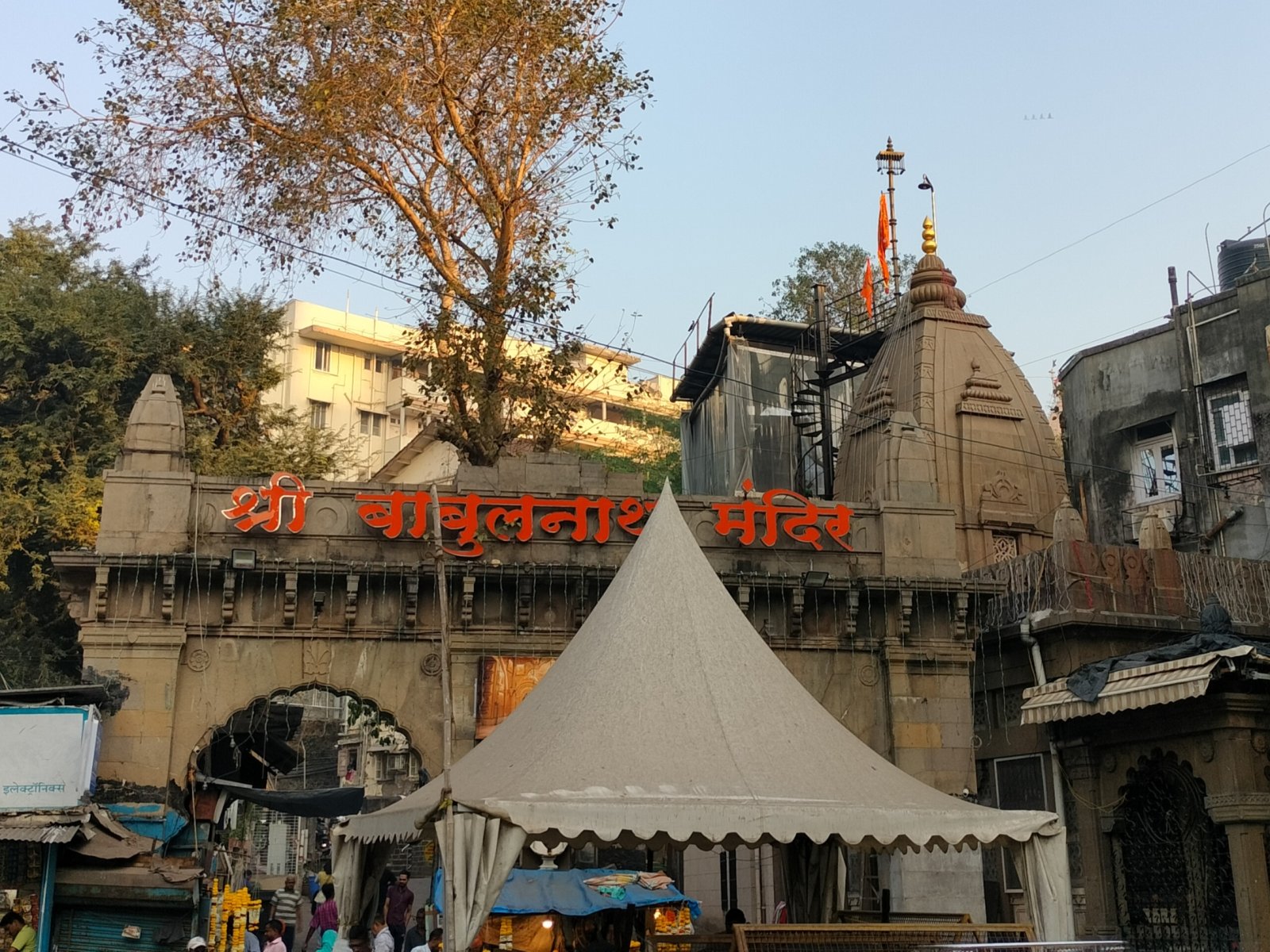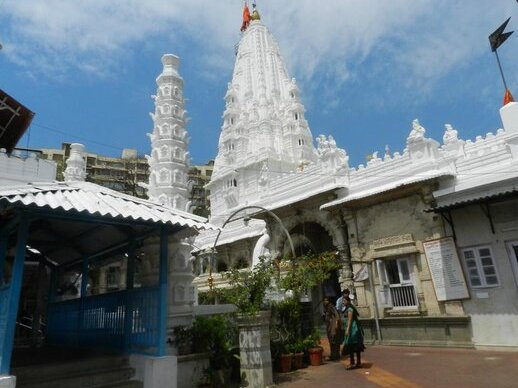

Nestled amidst the bustling streets of Mumbai, the Babulnath Temple stands as a serene oasis dedicated to Lord Shiva. This majestic temple, perched at nearly 1000 feet above sea level, offers breathtaking views of the Arabian Sea and serves as a testament to the enduring faith of its devotees. The temple's roots trace back to ancient times, with its original construction believed to have occurred in the 12th century, although it has undergone numerous renovations over the centuries. A significant event in its history was the temple's restoration in the late 19th century, which saw the structure transformed into a more elaborate and grandiose form. The temple is constructed in a traditional Hindu architectural style, characterized by intricate carvings and ornate sculptures that depict various deities and mythological narratives. Visitors are often captivated by the stunning shikhara (spire) that rises majestically above the temple, symbolizing the divine connection between the heavens and the earth. The artistry within the temple is equally impressive, with detailed frescoes and statues that reflect the rich tapestry of Hindu mythology. The temple is not just a place of worship but also a cultural hub, where local customs and traditions come alive. Maha Shivaratri, celebrated with great fervor, attracts thousands of devotees who gather to offer prayers and partake in night-long vigils. During this festival, the temple is adorned with flowers and lights, creating a mesmerizing spectacle that draws people from all corners of the city. Additionally, daily rituals and offerings, including prasad (blessed food), are integral to the temple's atmosphere, allowing visitors to immerse themselves in the local spiritual experience. When it comes to local gastronomy, the area surrounding Babulnath is a treasure trove of culinary delights. Street vendors sell vada pav, a spicy potato fritter sandwiched in bread, while nearby eateries serve puran poli, a sweet flatbread that resonates with the festive spirit. A visit to the temple is incomplete without trying a refreshing glass of nimbu pani (lemonade), a popular drink to beat the heat. For those looking to delve deeper into the temple's surroundings, the lesser-known fact that the temple was once a forest area adds a unique historical layer to the experience, giving visitors a sense of connection to the natural world that once thrived here. The temple's serene atmosphere is a stark contrast to the bustling city, making it a perfect retreat for those seeking solace. The best time to visit Babulnath Temple is during the early morning or late afternoon when the sunlight casts a golden hue over the intricate carvings. Visitors should also be aware of the temple's dress code, which requires modest attire as a sign of respect within this sacred space. As you explore, be sure to look out for the Ganges River stone used as a stepping stone within the temple premises, a hidden gem that tells stories of ancient pilgrimages. In conclusion, a visit to Babulnath Temple is not merely a journey to a religious site but an immersive experience into Mumbai's cultural and spiritual heritage. For a seamless exploration, consider using the Secret World app to create a personalized itinerary for your visit to Mumbai.