
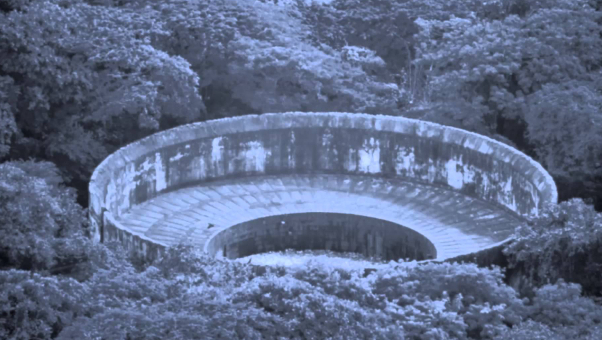

Nestled amidst the bustling metropolis of Mumbai lies a place of profound tranquility and rich historical significance: the Tower of Silence. This sacred site, known locally as the Dakhma, stands as a testament to the ancient funerary traditions of the Zoroastrian community, one of the world's oldest monotheistic religions. As you step into this secluded haven, you embark on a journey through time, exploring a unique blend of history, architecture, and cultural practices that have endured for over a millennium.
The origins of the Tower of Silence are deeply rooted in Zoroastrianism, a faith founded by the prophet Zarathustra (or Zoroaster) in ancient Persia around the 6th century BCE. According to the religion's sacred texts, the Avesta, earth, water, and fire are pure elements that should not be defiled by contact with the dead. Thus, the practice of excarnation—exposing the deceased to scavenging birds—was devised as a means to maintain this purity. This tradition was first documented by the Greek historian Herodotus in the 5th century BCE, who marveled at the community's unique funerary customs.
Architecturally, the Tower of Silence is a marvel of simplicity and functionality. Built as a circular, raised structure, it resembles a fortress that stands stoically against the passage of time. Its design is deceptively simple—an open-air platform encircled by high walls—but its purpose is profound. The tower is divided into three concentric rings for men, women, and children, symbolizing the Zoroastrian emphasis on community and equality in death as in life. While there are no intricate carvings or grandiose facades, the tower’s stark silhouette against the sky is a powerful artistic statement of the Zoroastrians' reverence for nature's cycles.
The cultural tapestry surrounding the Tower of Silence is vibrant and deeply woven with traditions. The Zoroastrian community in Mumbai, known as the Parsis, play a vital role in preserving these ancient customs. Every year, they celebrate Navroz, the Parsi New Year, with great enthusiasm. This festival, which falls in March, is a time of renewal and reflection, marked by prayers, feasting, and vibrant decorations. The Parsis are known for their philanthropy and have contributed significantly to Mumbai’s development, including the establishment of schools, hospitals, and other public amenities.
Gastronomy plays a significant role in the Parsi way of life, with food being a central element of their cultural identity. Visitors to Mumbai can indulge in traditional Parsi dishes such as Dhansak, a flavorful stew of lentils and meat, and Patra ni Macchi, fish steamed in banana leaves with a spicy coconut chutney. These dishes are often enjoyed during festive occasions or family gatherings, providing a delicious insight into Parsi culinary artistry.
Beyond its well-documented history and traditions, the Tower of Silence harbors lesser-known curiosities that intrigue the inquisitive traveler. One such detail is the presence of vultures, the natural custodians of the Zoroastrian excarnation process. However, their numbers have dwindled due to urban encroachment and environmental changes, prompting the community to explore alternative methods for their sacred rites. Additionally, the site is enveloped in lush greenery, creating a serene oasis amidst Mumbai's urban sprawl, often unnoticed by the rushing city life outside.
For those planning to visit the Tower of Silence, it is essential to respect its sanctity and the privacy of the Parsi community. While non-Zoroastrians are not permitted inside the Dakhma itself, the surrounding area, including the nearby Doongerwadi forest, offers a peaceful retreat. The best time to visit is during the cooler months from November to February when the weather is conducive to exploring Mumbai's many cultural landmarks.
When visiting, it's advisable to engage with local guides or Parsi community centers to gain deeper insights into the site's significance. Look out for the nearby Parsi fire temples and heritage buildings that echo the community's historical presence in the city. As you leave the Tower of Silence, you carry with you a profound appreciation for a culture that has seamlessly blended the ancient with the modern, maintaining its unique identity amidst the ever-evolving landscape of Mumbai.


