
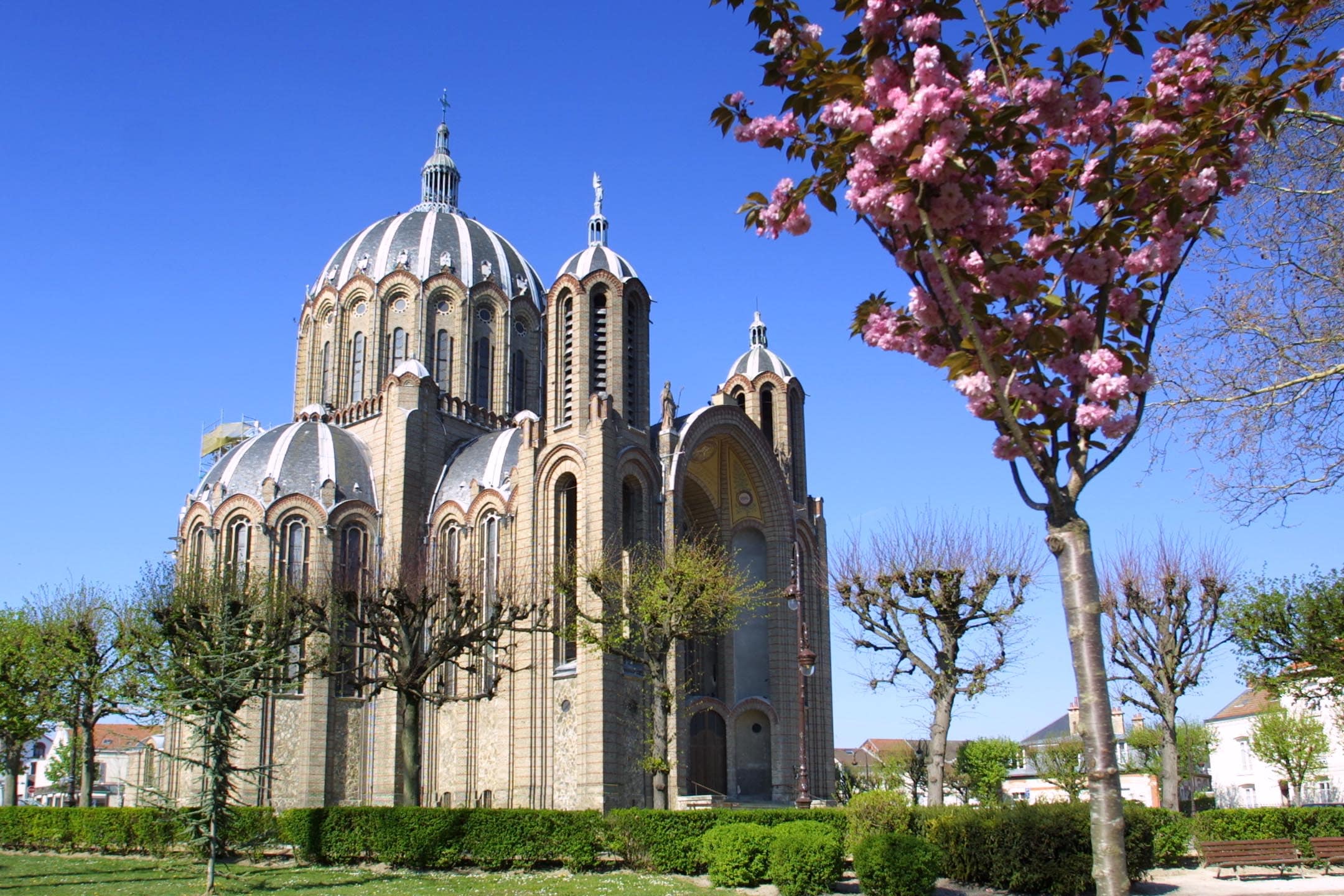

Nestled in the elegant 7th arrondissement of Paris, the Basilique Sainte-Clotilde stands as a beacon of neo-Gothic architecture and rich history. Its striking silhouette against the Parisian skyline invites visitors to delve deeper into its storied past and artistic treasures.

The origins of Sainte-Clotilde trace back to the mid-19th century, a period marked by Paris's rapid transformation under the Second Empire. Commissioned by Léon Dufour, the church was constructed between 1846 and 1857 to serve the growing population of the area. Named after Clotilde of France, the wife of King Clovis I and a pivotal figure in the Christianization of the Franks, the basilica reflects the era's profound religious fervor. By 1897, it was elevated to the status of basilica minor, a testament to its significance within the Catholic Church.
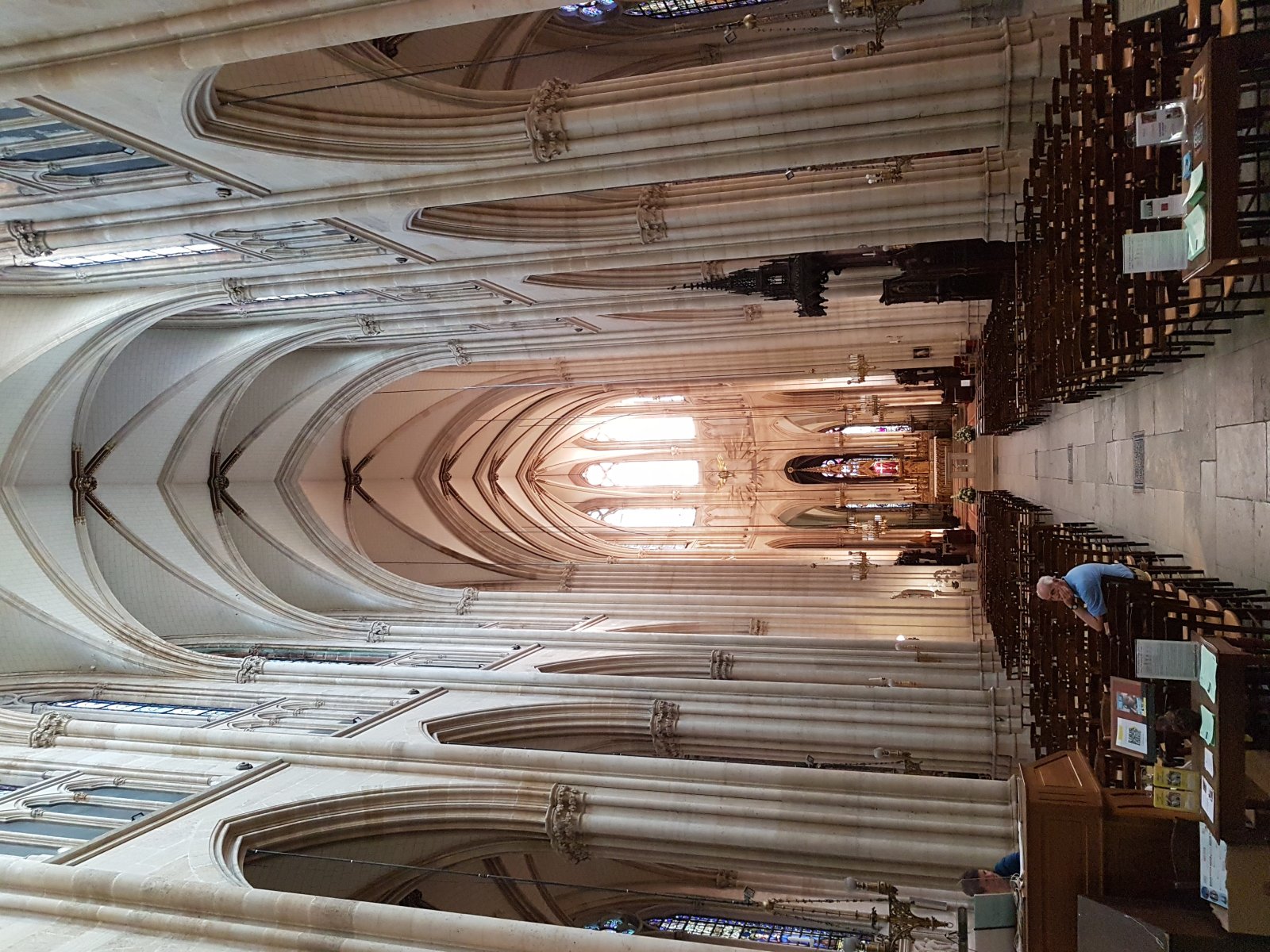
The architectural style of Sainte-Clotilde is distinctly neo-Gothic, characterized by its pointed arches, ribbed vaults, and flying buttresses. Designed by architect François Debret, the church boasts an impressive façade adorned with intricate sculptures and a grand rose window. The twin spires, reaching heights of 62 meters, dominate the skyline, guiding worshippers and tourists alike. Inside, the atmosphere is enhanced by the stunning stained-glass windows crafted by Emile Thibaud, one of the most renowned stained-glass artists of the 19th century. These windows depict biblical scenes and saints, bathing the interior in a colorful light that transforms with the changing angles of the sun.
Sainte-Clotilde is not merely a place of worship; it is a cultural landmark woven into the fabric of Parisian life. The basilica has hosted numerous significant events, including concerts and religious ceremonies. Its acoustics are particularly praised, making it a favored venue for choral performances. The local community also engages in various traditions, with Christmas Mass and Easter services drawing large crowds of both parishioners and tourists. The church is a symbol of resilience, standing firm through the upheavals of the Paris Commune in 1871 and the tumultuous decades that followed.
While visiting this architectural gem, one cannot ignore the culinary delights that the surrounding area offers. The 7th arrondissement is renowned for its gastronomic scene, featuring bistros and cafés that serve classic French cuisine. Just a short walk from the basilica, you can savor the famous croissant at a local bakery or indulge in a plate of coq au vin at a traditional brasserie. Pair your meal with a glass of Côtes du Rhône, a wine that reflects the region's rich viticultural heritage.
For those who venture beyond the obvious, Sainte-Clotilde holds a few lesser-known curiosities. One such detail is the basilica’s organ, built in 1867 by the renowned organ maker Cavaillé-Coll. This instrument is celebrated not only for its size but also for its exceptional sound quality, making it a favorite among organists. Additionally, the church houses the tomb of Alexandre Dumas, the famed author of "The Three Musketeers," who is often overlooked by visitors seeking to pay homage to literary figures in Paris.
The best time to visit the Basilique Sainte-Clotilde is during the late afternoon, when the sunlight illuminates the stained-glass windows, creating an ethereal glow within the nave. Weekdays tend to be quieter, allowing for a more contemplative experience. Visitors should take a moment to admire the intricate details of the architecture, such as the beautifully carved wooden choir stalls and the serene ambiance created by the flickering candles.
As you explore Sainte-Clotilde, don’t forget to wander the charming streets of the 7th arrondissement. This area is known for its exquisite boutiques, art galleries, and the iconic Eiffel Tower, which is just a stone's throw away.
In conclusion, the Basilique Sainte-Clotilde is not just a church; it is a narrative of history, art, and culture interwoven into the heart of Paris. Its significance transcends the mere act of worship, offering a glimpse into the architectural ambitions of the 19th century and the vibrant life of the local community.
To fully appreciate all that Paris has to offer, consider using the Secret World app to craft a personalized itinerary that includes this hidden gem.


