
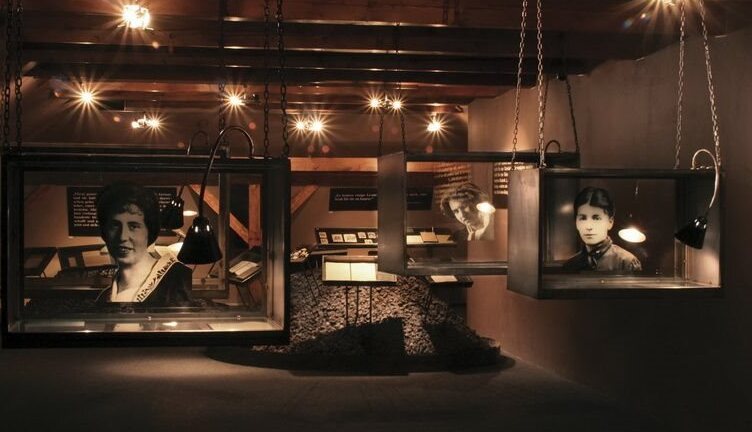

Nestled in the heart of Malá Strana, the Franz Kafka Museum offers visitors a profound journey into the mind of one of the 20th century's most enigmatic literary figures. The museum is not just a repository of artifacts but a meticulously curated experience that immerses you in the complex world of Franz Kafka, whose tales of existential dread and surrealism have left an indelible mark on literature.
The museum's origins trace back to 2005 when it was first conceived as a temporary exhibition in Barcelona. However, its permanent residence in Prague is fitting, as Kafka was born here in 1883, and the city's mysterious, labyrinthine streets inspired much of his work. The museum is housed in the Herget Brickworks, a striking example of industrial architecture that perfectly complements Kafka's themes of alienation and bureaucracy.
Architecturally, the museum's setting is as compelling as its content. The Herget Brickworks building, with its robust red-brick façade and industrial charm, provides a fitting backdrop for Kafka's introspective and often dark narratives. The interior design amplifies this atmosphere with dim lighting and narrow hallways that mirror Kafka’s often claustrophobic prose. The museum's layout is intentionally disorienting, a nod to the dreamlike, disjointed worlds Kafka depicted.
Inside, visitors will find a wealth of personal artifacts, including letters, diaries, and photographs that paint a vivid picture of Kafka's personal and professional life. Displayed alongside these are first editions of his works, offering a tangible connection to the author’s creative process. The multimedia installations add a modern twist, with soundscapes and visuals that evoke the trademark Kafkaesque ambiance.
Prague itself is a city rich in culture and tradition, with Kafka's legacy woven into its fabric. The annual Kafka Festival celebrates his contribution to literature, drawing scholars and enthusiasts from around the world. This event offers readings, lectures, and performances, keeping Kafka's spirit alive in the very streets that inspired him.
No visit to Prague is complete without indulging in its diverse gastronomy. Although Kafka himself adhered to a strict diet later in life, the city offers a plethora of culinary delights. Sample traditional Czech dishes like svíčková na smetaně (marinated beef with creamy sauce) and trdelník (a sweet pastry) while sipping on Pilsner beer, a local favorite.
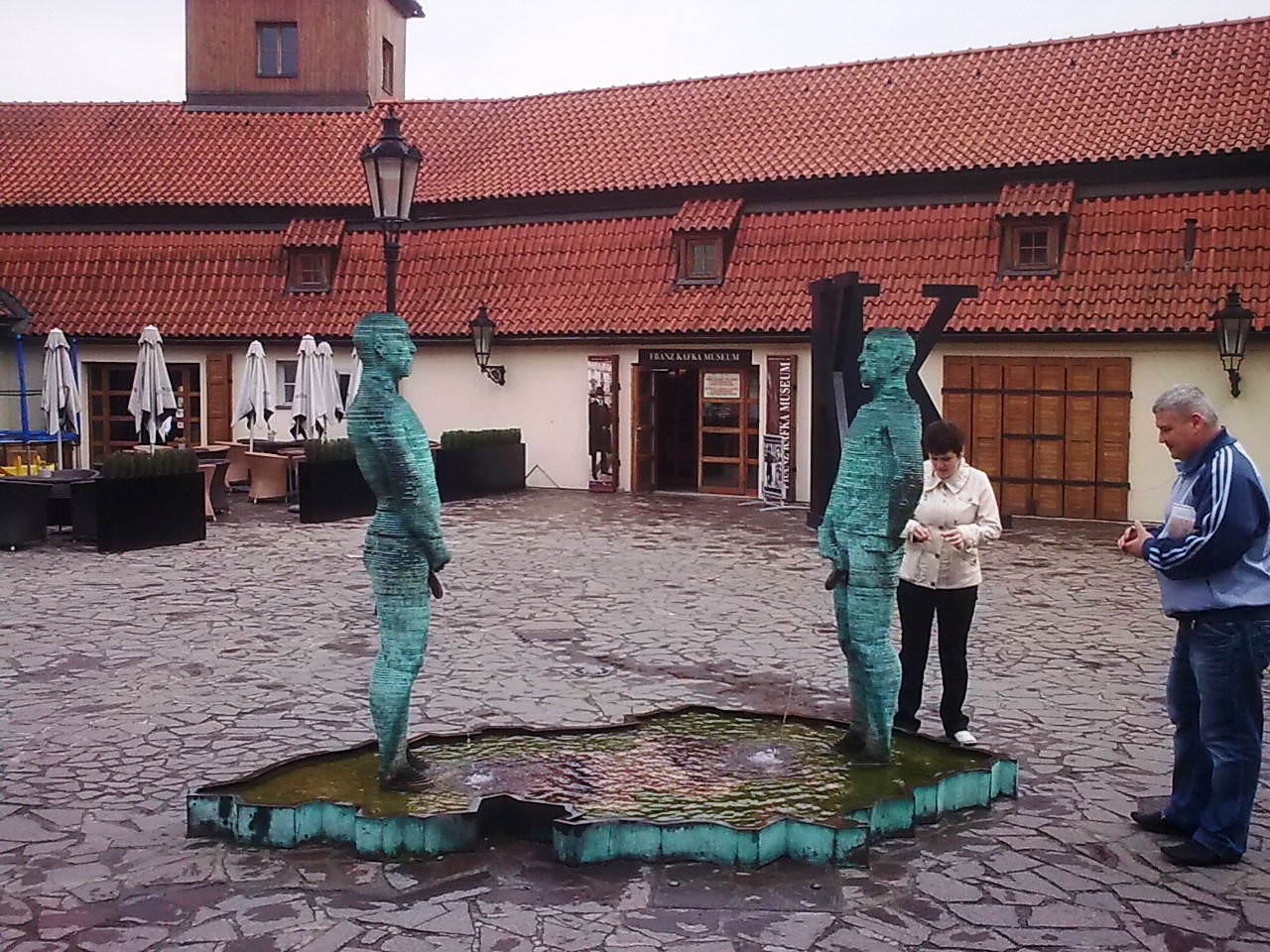
For those seeking lesser-known curiosities, the museum itself houses a peculiar sculpture by David Černý in the courtyard, depicting two men urinating into a pool shaped like the Czech Republic. This provocative piece is emblematic of Prague’s avant-garde art scene and invites interpretation, much like Kafka’s work.
When planning your visit, consider coming in the spring or early autumn to enjoy Prague’s mild weather. The museum is less crowded during weekdays, offering a more intimate experience. Look out for the haunting Metamorphosis exhibit, which delves deep into Kafka’s most famous works.
To truly immerse yourself in Kafka’s world and explore Prague's hidden gems, use Secret World app to craft your personalized itinerary.


