
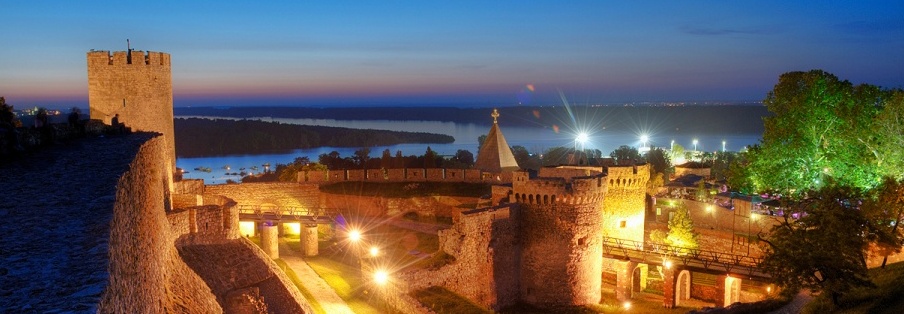

Perched majestically above the confluence of the Danube and Sava rivers, Belgrade Fortress is not just a monument; it is a living chronicle of the tumultuous history of Belgrade, Serbia. This ancient citadel has witnessed the rise and fall of empires, from the Celts and Romans to the Ottomans and Austrians, each leaving their mark on this historic site. The fortress stands on the remnants of a settlement that dates back to 279 BC, making it one of the oldest continuously inhabited locations in Europe.
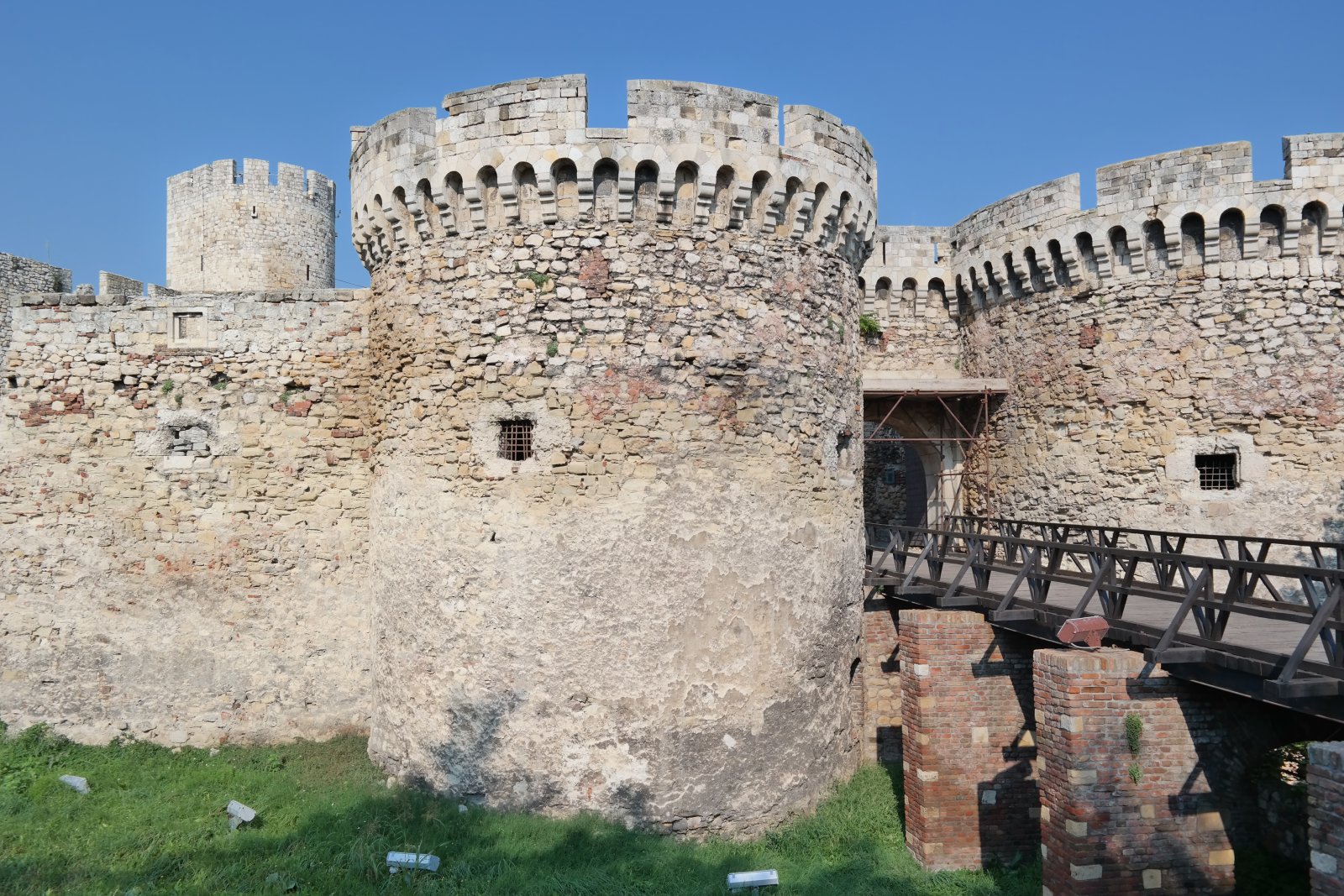
The fortress itself has evolved through centuries of conflict and reconstruction. Originally built as a Celtic fortification, it was captured by the Romans in the 1st century AD, who fortified it further. Over the years, it has been a strategic military stronghold due to its commanding views of the rivers below. In the 18th century, the fortress was extensively renovated by the Austrians, resulting in the impressive architecture that visitors see today, which blends Baroque and Ottoman influences.
As you wander through the fortress, you will encounter various architectural styles, including the Ružica Church, a charming Orthodox church built in the early 19th century. Its rustic charm stands out against the backdrop of the fortress walls. The Victor Monument, a tall statue commemorating Serbian victories in the Balkan Wars, is another focal point, offering panoramic views of the rivers and the city. The Vista Point next to the monument is an ideal spot to soak in the breathtaking scenery, especially at sunset when the sky transforms into a canvas of vibrant colors.
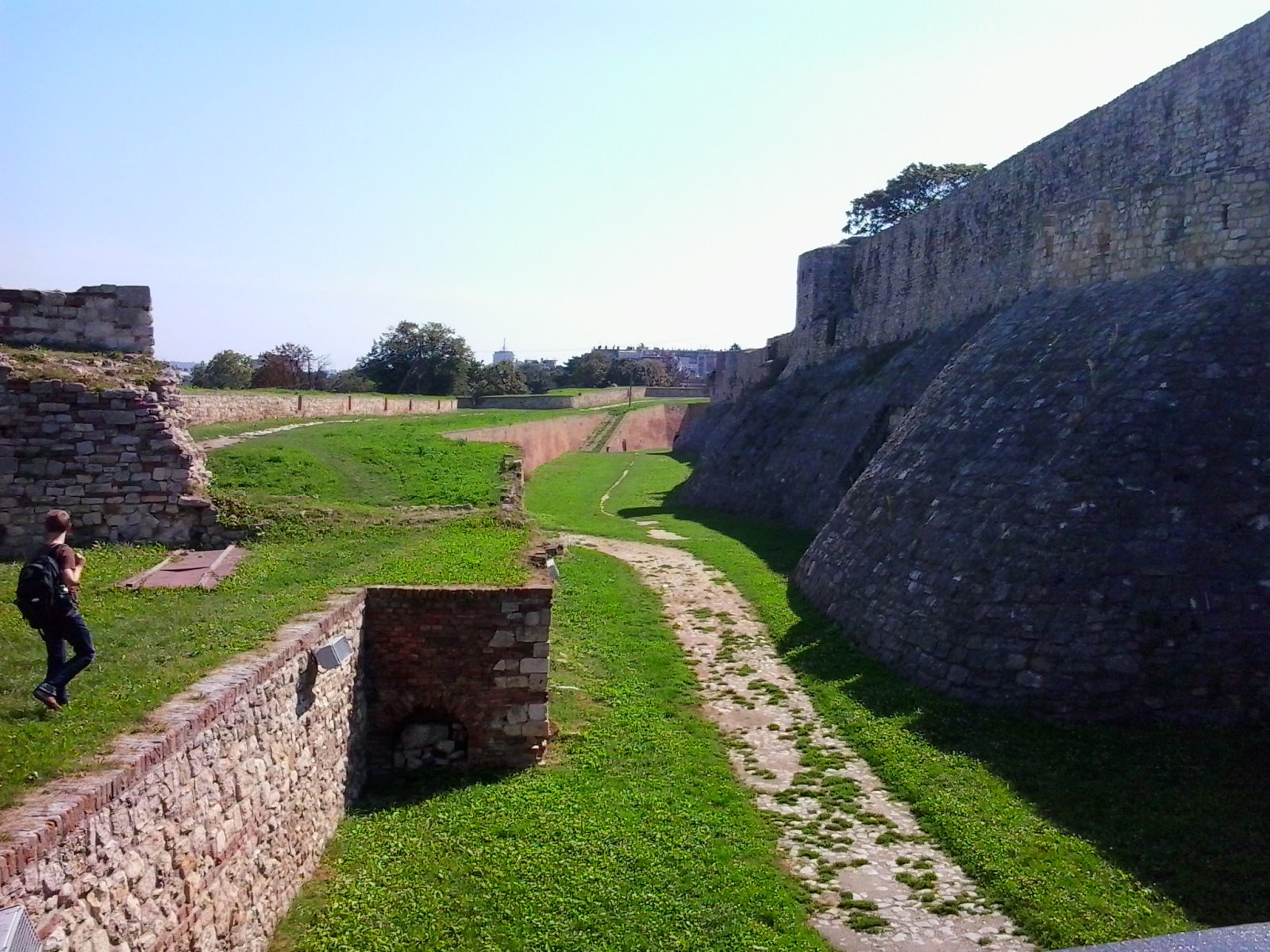
The cultural significance of Belgrade Fortress extends beyond its historical role. It is a vibrant hub where locals gather for picnics, concerts, and cultural events. The fortress hosts numerous festivals throughout the year, such as the Belgrade Beer Fest and the Belgrade Dance Festival, showcasing the city's dynamic cultural scene. The fortress is also a popular venue for local artists, with open-air exhibitions and performances often taking place within its walls.
When in Belgrade, one cannot overlook the culinary delights that await. The nearby Kalemegdan Park offers a variety of eateries where you can savor traditional Serbian dishes. Be sure to try ćevapi (grilled minced meat), served with somun (flatbread), and sarma (cabbage rolls). Pair your meal with a glass of rakija, a potent fruit brandy that is a staple in Serbian culture. The local food scene reflects the rich history and diverse influences that have shaped Serbian cuisine over the centuries.
There are also many lesser-known aspects of Belgrade Fortress that can surprise even seasoned travelers. For instance, did you know that the fortress was once home to a zoo and an amusement park? The remnants of these attractions can still be found scattered throughout the grounds. Additionally, the fortress is rumored to be haunted, with local legends speaking of ghostly soldiers from past wars who roam its grounds at night, adding a layer of intrigue to its storied past.
The best time to visit Belgrade Fortress is during the spring and early autumn months when the weather is mild, and the natural beauty surrounding the fortress is in full bloom. Early mornings and late afternoons are particularly enchanting, offering a quieter experience and the best lighting for photography.
As you explore this historic site, take your time to absorb the atmosphere, discover hidden pathways, and enjoy the rich tapestry of history that envelops you. Don’t forget to look for the small cannon, which is a remnant of the fortress's military past, and the surrounding park, which is perfect for a leisurely stroll.
With so much to see and experience, Belgrade Fortress is more than just a landmark; it’s a testament to the resilience and spirit of the Serbian people. To make the most of your visit, consider planning your itinerary with the help of the Secret World app, which can guide you through the wonders of Belgrade and beyond.


