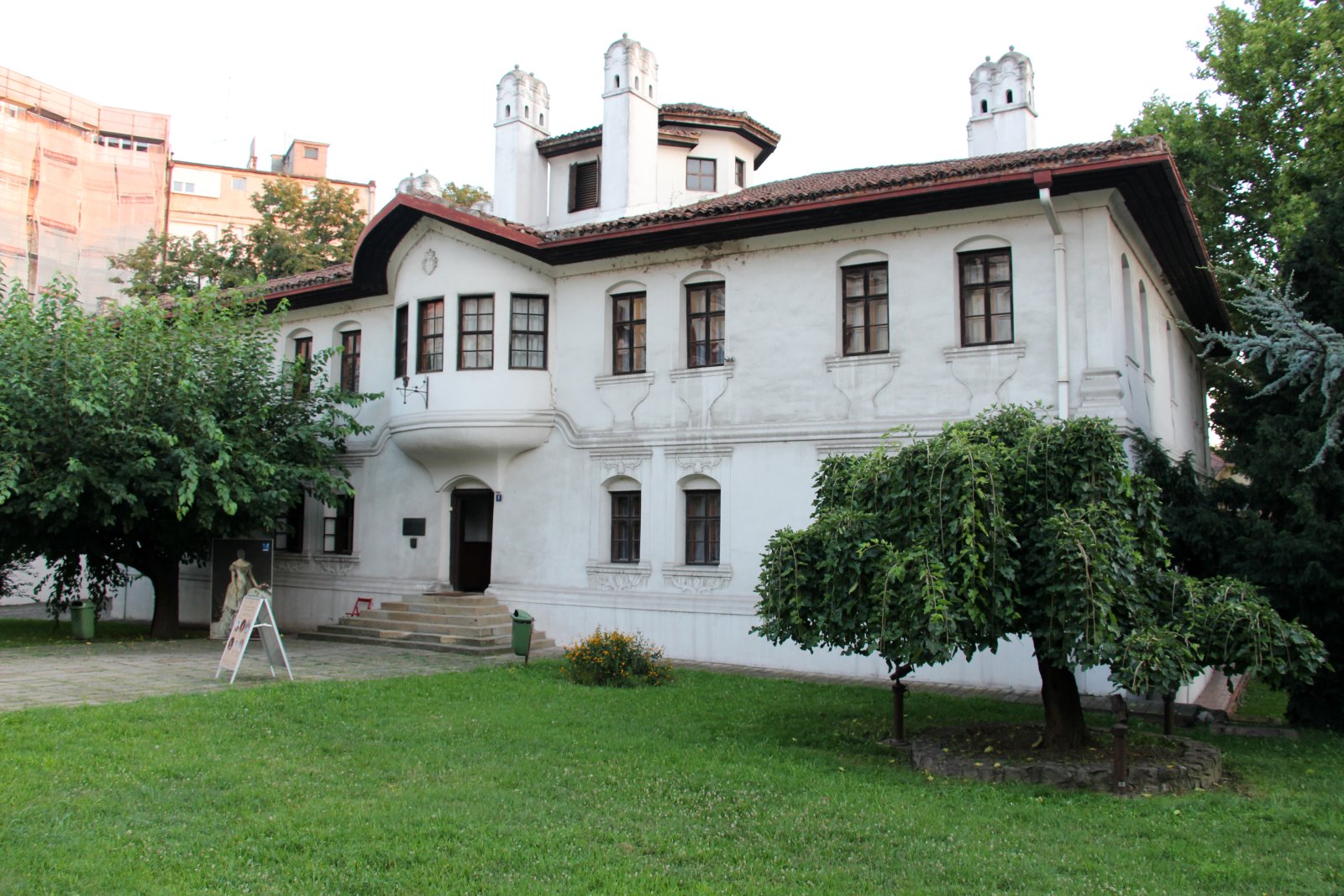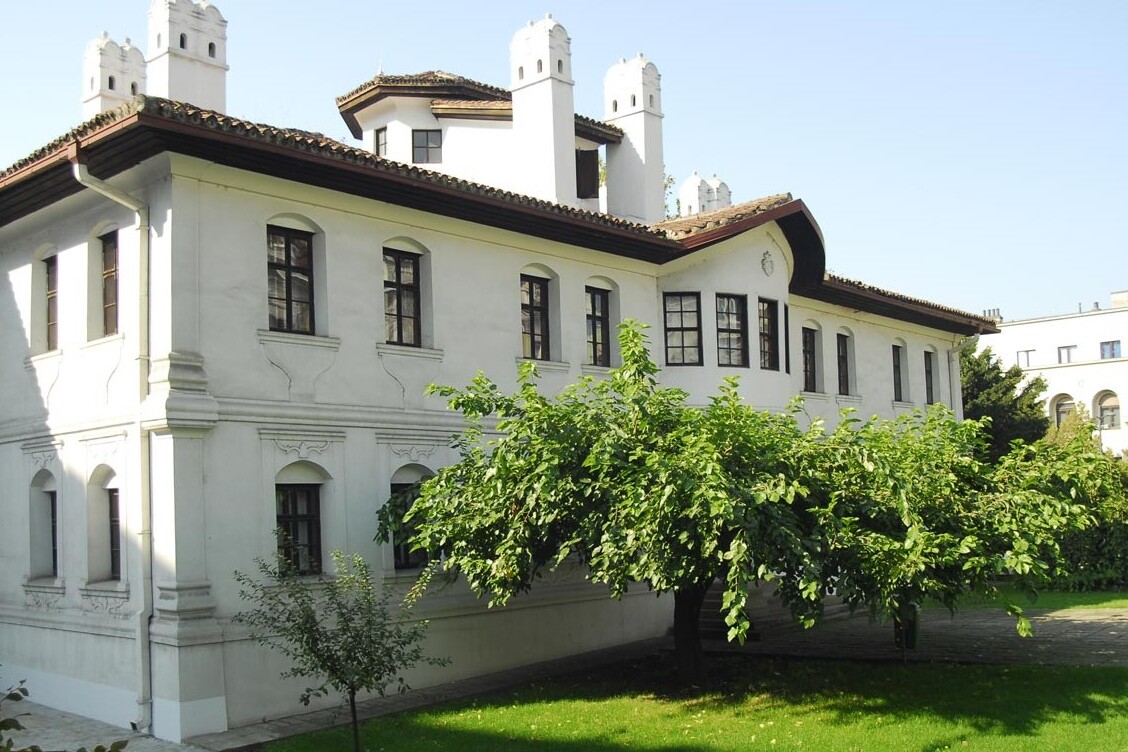

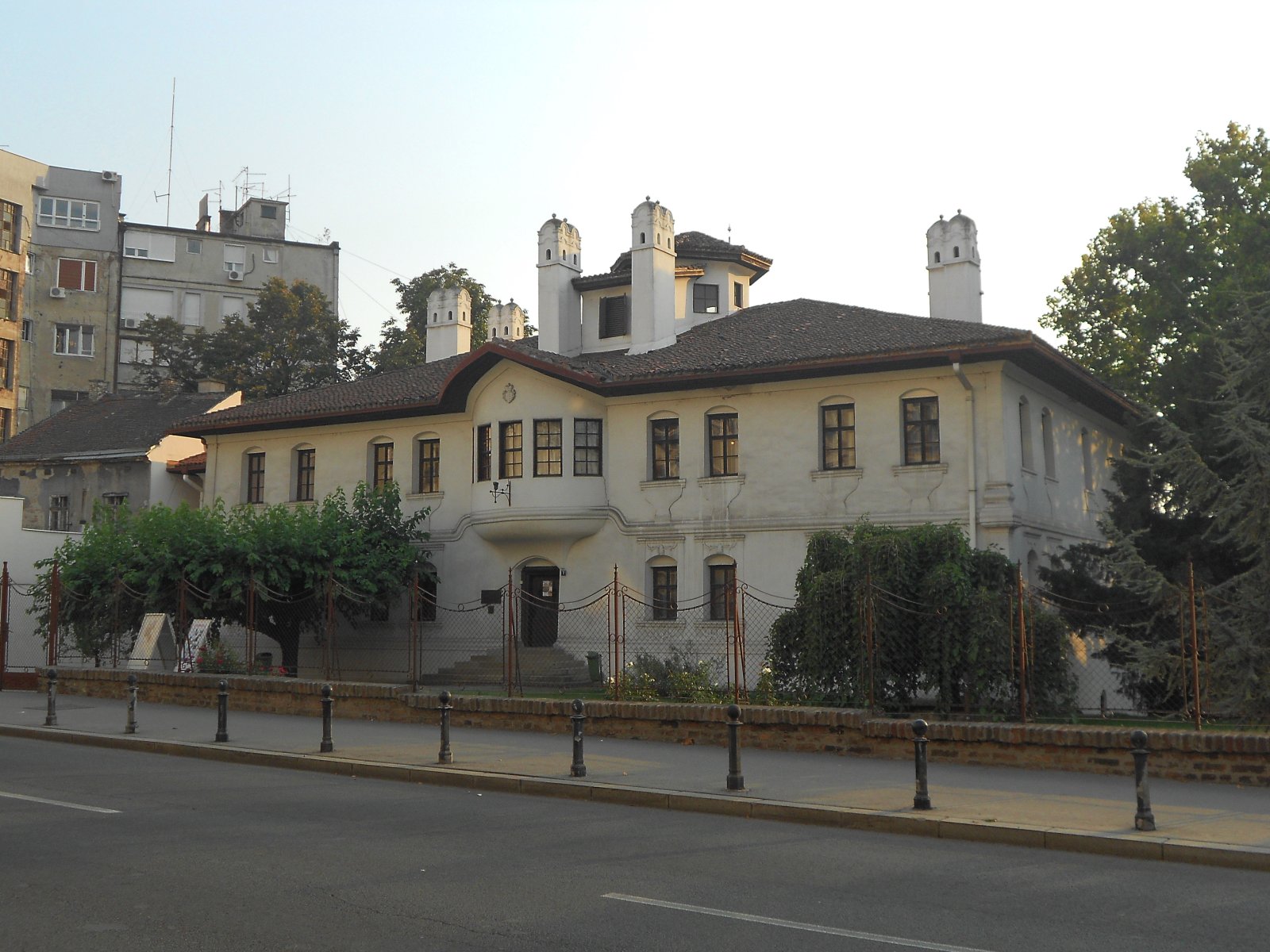
Nestled in the heart of Beograd, Princess Ljubica’s Residence stands as a testament to the rich tapestry of Serbian history and culture. Constructed in 1830 for Miloš Obrenović, the Prince of Serbia, this opulent palace reflects a blend of Ottoman and Serbian architectural influences, making it a true symbol of the region's heritage. The residence is a crucial cultural monument, well-preserved and inviting visitors to explore its fascinating past.
### History and Origins The story of Princess Ljubica’s Residence begins in the early 19th century, during a transformative period in Serbian history. Built when Serbia was navigating its path to independence from the Ottoman Empire, the palace served as the home of Prince Miloš and his family, including his beloved wife, Princess Ljubica, after whom the residence is named. This era marked significant political change, with the establishment of the Obrenović dynasty, which played a pivotal role in Serbian governance and culture. The residence witnessed many key historical events, from royal family gatherings to political discussions that shaped the future of Serbia. After the death of Princess Ljubica in 1843, the palace fell into various states of neglect. However, its restoration began in the late 20th century, leading to its current status as a vital cultural landmark.
### Art and Architecture The architectural style of Princess Ljubica’s Residence is a captivating blend of Neoclassical and Ottoman influences. Its façade features grand columns and intricate detailing, while the interiors boast lavish decorations, including beautifully painted ceilings and ornate furniture. The design reflects the dual heritage of Serbia during a time when Eastern and Western influences coexisted.
Inside, visitors can admire a collection of exquisite artworks, including portraits of Serbian royalty and delicate ornamental pieces from the 19th century. Each room tells a story, showcasing the opulence of royal life and the cultural significance of the period. The palace’s aesthetic appeal is a crucial aspect of its artistic significance, offering insights into the tastes and lifestyles of Serbia's aristocracy.
### Local Culture and Traditions Beograd, the vibrant capital of Serbia, is renowned for its rich cultural traditions and lively festivals. The city comes alive during the Belgrade Festival of European Literature, which celebrates both local and international authors, attracting literature enthusiasts from around the globe. Additionally, the Guitar Art Festival brings together musicians to showcase their talents, echoing the city’s deep-rooted connection to the arts.
Local customs are often intertwined with historical narratives, and Princess Ljubica’s Residence serves as a reminder of the royal family's role in shaping Serbian culture. The palace often hosts cultural events, including exhibitions and concerts, fostering a sense of community and celebrating Serbia's artistic heritage.
### Gastronomy No visit to Beograd is complete without indulging in its culinary delights. The city is famous for its traditional Serbian cuisine, characterized by hearty flavors and rustic ingredients. Dishes like ćevapi (grilled minced meat), sarma (cabbage rolls), and ajvar (pepper-based condiment) are staples that reflect the region’s culinary traditions.
Visitors should also try rakija, a potent fruit brandy that holds a special place in Serbian culture. It is often served at family gatherings and celebrations, making it a perfect accompaniment to local dishes. The gastronomic experience in Beograd enhances a visit to Princess Ljubica’s Residence, allowing travelers to savor the flavors of the past while exploring the rich history of the area.
### Lesser-known Curiosities While many tourists flock to the more popular sights in Beograd, Princess Ljubica’s Residence offers hidden gems that are often overlooked. One such detail is the intricate frescoes found in the dining room, depicting scenes from Serbian folklore that highlight the cultural significance of storytelling in Serbian life.
Another curiosity is the palace's secret garden, which is rarely mentioned in guidebooks. This tranquil space, complete with lush greenery and beautiful sculptures, provides a serene escape from the bustling city. Many visitors miss this hidden oasis, making it a perfect spot for reflection and appreciation of the palace's beauty.
### Practical Visitor Information To make the most of your visit to Princess Ljubica’s Residence, plan your trip for the spring or early autumn when the weather is mild and perfect for walking around Beograd. The palace is open to the public, and guided tours are available, providing invaluable insights into its history and significance.
When visiting, be sure to look for the beautifully restored furniture and the ceramic tiles that adorn the palace’s interiors, showcasing the exquisite craftsmanship of the era. Photography is allowed, so don’t forget to capture the stunning architecture and intricate details that make this residence a true treasure.
In conclusion, if you wish to explore the captivating history and culture of Beograd, including the enchanting Princess Ljubica’s Residence, consider using the Secret World app to plan a personalized itinerary for your visit.