
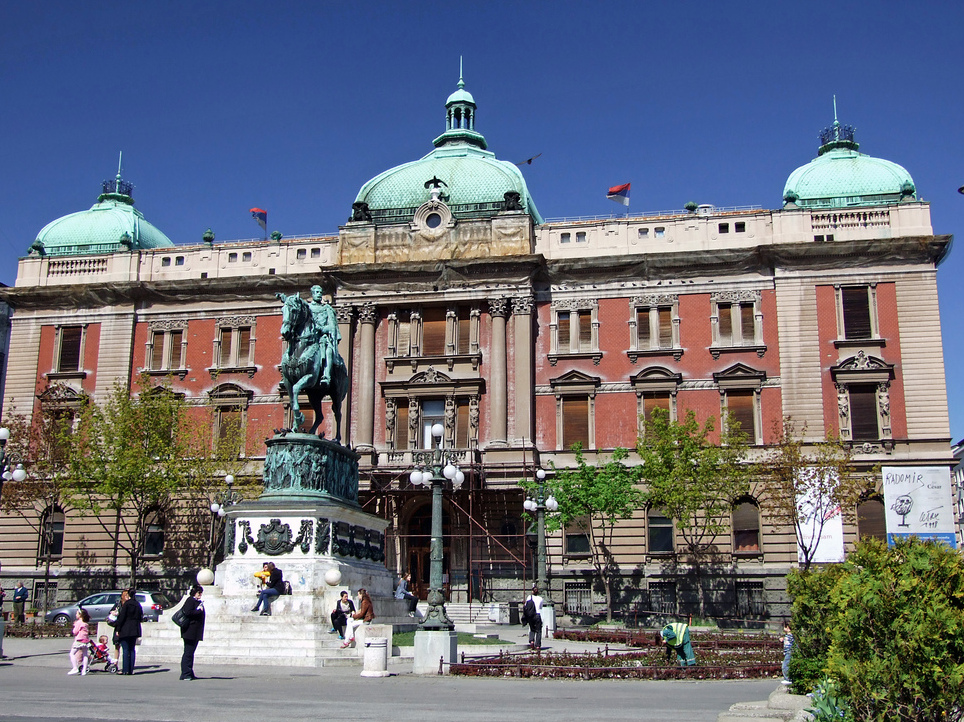

Nestled within the vibrant Republic Square of Beograd, the National Museum stands as a testament to the city's rich tapestry of history and culture. Established in 1844, it is not only the oldest museum in Serbia but also its largest, boasting a staggering collection of nearly half a million items that span centuries and continents.
The National Museum has its roots in the early 19th century when the Serbian government recognized the importance of preserving the nation’s heritage. It was founded by the prominent Serbian intellectual and politician Jovan Sterija Popović, who envisioned a space where art and history could be celebrated and studied. Over the years, the museum has weathered numerous historical storms, including the turmoil of both World Wars, which saw its collections temporarily scattered. In the post-war era, the museum underwent significant renovations, culminating in its grand reopening in 2018 after extensive restoration work. This commitment to preserving history makes the museum not just a repository of artifacts, but a living narrative of Serbia's past.
Architecturally, the National Museum is a striking example of neoclassical design, harmonizing beautifully with the surrounding architecture of Republic Square. The facade is adorned with ornate details, while the interior spaces are designed to facilitate an engaging experience for visitors. Inside, the museum features a variety of exhibits, including ancient Greek and Roman artifacts, medieval manuscripts, and a wealth of icons that reflect the spiritual and artistic heritage of the region. The museum's collection also includes an impressive array of paintings, showcasing works from renowned Serbian artists like Paja Jovanović and international figures such as Vincent van Gogh and Paul Cézanne. Each piece tells a story, revealing the evolution of artistic expression across different cultures and eras.
The cultural significance of the National Museum extends beyond its collections. It serves as a hub for local traditions and customs, often hosting exhibitions and events that celebrate Serbia's rich folklore. Festivals such as Kultura Kulture take place here, featuring performances, workshops, and discussions that foster a deeper understanding of Serbian heritage. The museum's role in promoting local artists and cultural initiatives makes it a vital part of Beograd's contemporary cultural landscape.
No visit to Beograd would be complete without indulging in its culinary delights. The city is famous for its hearty dishes, many of which draw inspiration from its diverse cultural history. Traditional foods such as ćevapi (grilled minced meat) and sarma (cabbage rolls filled with meat and rice) can be savored in nearby eateries, while local specialties like ajvar (pepper-based condiment) add a distinct flavor to the culinary scene. Pair your meal with a glass of rakija, a strong fruit brandy that is a staple at any Serbian gathering, and you’ll experience the warmth of local hospitality.
While the National Museum is celebrated for its prominent collections, there are lesser-known curiosities that often go unnoticed by the casual visitor. For instance, the museum houses a Votive tablet from the ancient Roman city of Sirmium, which provides insight into the religious practices of the era. Additionally, the museum's Egyptian collection includes a uniquely preserved mummy, sparking intrigue and fascination among visitors. These hidden gems offer a deeper understanding of the cultural exchanges that have shaped Serbia through the centuries.
For those planning a visit, the best time to explore the National Museum is during the spring and fall, when the weather is mild and conducive to leisurely exploration. Visitors are encouraged to spend ample time in each section, as the depth of the collections can be overwhelming. Don’t miss the chance to attend one of the museum’s periodic lectures or guided tours, which often provide insider insights into specific artifacts and their historical contexts.
To enhance your experience, arrive early to avoid crowds, especially on weekends, and consider downloading the Secret World app to create a personalized AI itinerary that includes the museum, dining spots, and other cultural landmarks in Beograd.


