
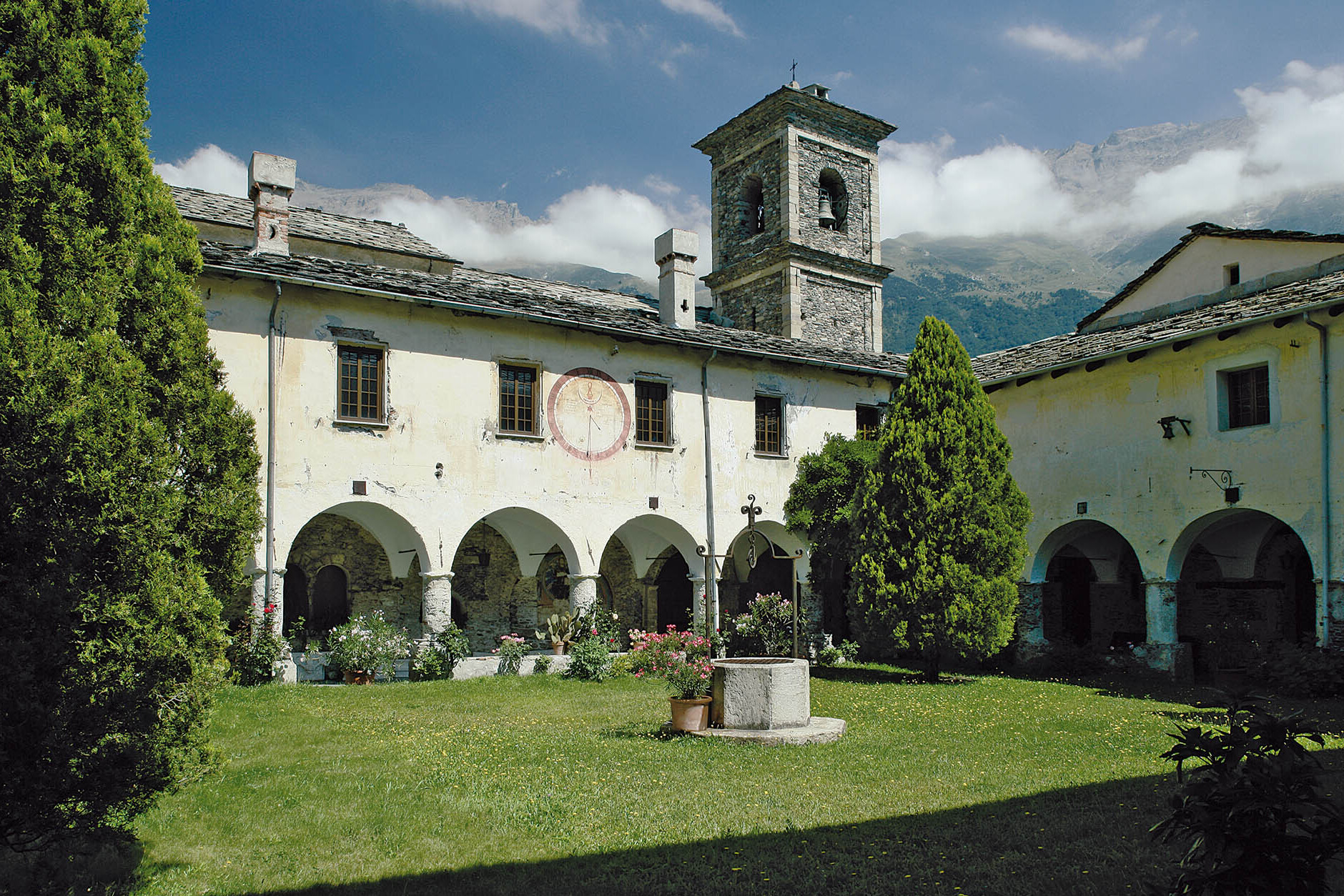

Nestled in the serene Val Cenischia near the village of Novalesa, the Benedictine Abbey of Novalesa stands as a testament to the region's rich spiritual and cultural heritage. Founded in 726 AD by Abbone, the governor of Moriana and Susa, this abbey became a vital stop along the Via Francigena, an ancient pilgrimage route that connected Canterbury to Rome. As pilgrims traversed the rugged Italian landscape, the abbey provided a place of rest and reflection, its significance growing throughout the centuries.
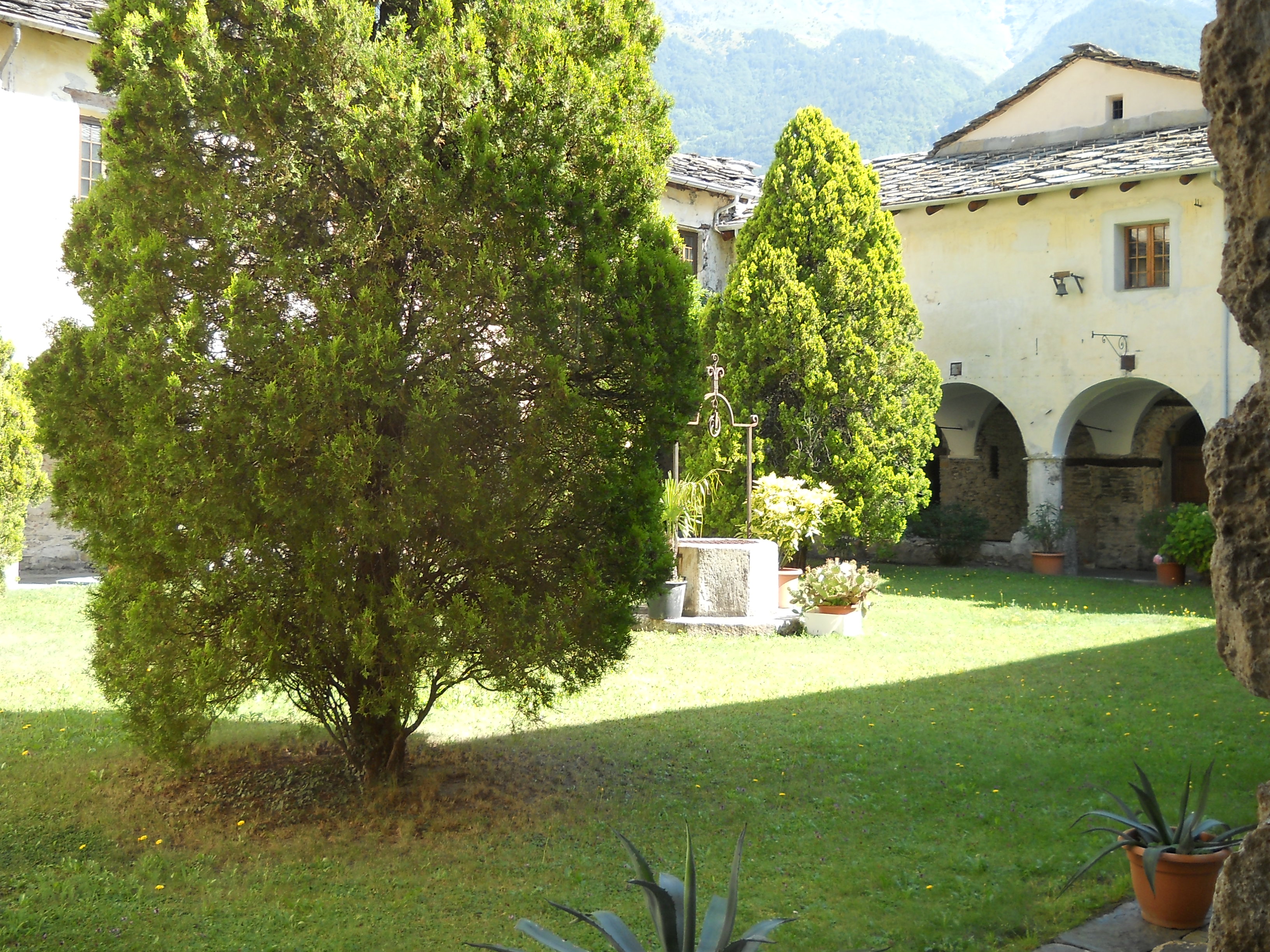
The abbey flourished particularly in the 9th century, reaching its zenith with over five hundred monks residing within its walls. This monastic community contributed to the educational and spiritual life of the region, nurturing both local customs and the broader Christian traditions. The abbey faced numerous challenges, including destruction by fire and the dissolution movements of the late 18th century. Yet, through resilience and restoration, it has maintained its role as a center of monastic life, currently housing a community of the Cassinese Sublacensis Congregation.
Architecturally, the Benedictine Abbey of Novalesa is a fascinating blend of styles reflecting its long history. The church, rebuilt in 1712, showcases Baroque influences, featuring intricate altars and a striking façade. Visitors are particularly drawn to the cloister, a tranquil space adorned with frescoes depicting biblical scenes. Of notable significance are the four chapels dedicated to San Salvatore, San Michele, Santa Maria Maddalena, and Sant'Eldrado, each richly frescoed and contributing to the abbey's artistic legacy. The frescoes, attributed to various local artists, offer a glimpse into the spiritual and artistic currents of the time, making the abbey a treasure trove for art enthusiasts and historians alike.
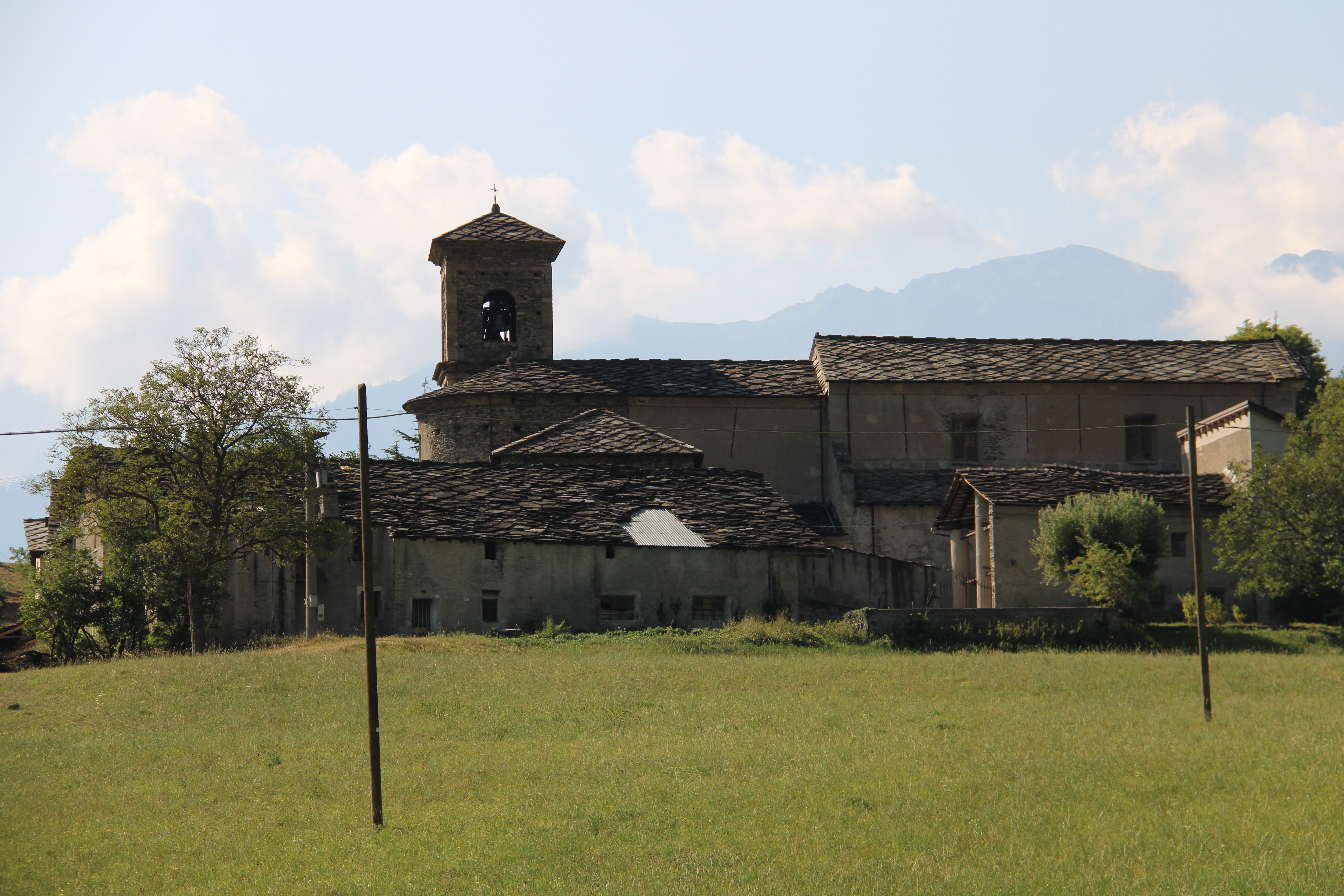
The local culture surrounding the abbey is steeped in tradition, with customs that have been preserved through generations. The village of Novalesa hosts several festivals throughout the year, celebrating its monastic heritage and the natural beauty of the surrounding valley. One such event is the Festa di San Eldrado, held in the summer, where locals and visitors gather to honor the abbey's patron saint with processions, music, and traditional dances. These celebrations are not merely a nod to the past; they embody the living traditions of the community, inviting all to partake in their rich cultural tapestry.
Gastronomy in this region is as compelling as its history. The Val Cenischia is known for its hearty mountain cuisine, characterized by simple yet flavorful dishes. Local specialties include polenta, often served with rich stews or cheeses, and toma, a semi-hard cheese with a distinctive yet delicate flavor. The area’s proximity to the mountains also yields a variety of foraged mushrooms and wild herbs that enhance many traditional recipes. Pairing these dishes with a glass of Barbera or Dolcetto red wine from the nearby vineyards offers an authentic taste of the region, allowing visitors to savor the essence of San Pietro.
While most visitors are drawn to the abbey’s architectural grandeur and its spiritual ambiance, there are lesser-known curiosities that enrich the experience. One such detail is the ancient manuscript collection housed within the abbey’s archives. These texts, some dating back to the Middle Ages, provide insights into monastic life and the intellectual pursuits of the monks. Additionally, the abbey’s library is a rare gem, containing volumes on theology, philosophy, and local history, making it a point of interest for scholars and curious travelers alike.
For those planning a visit to the Benedictine Abbey of Novalesa, the best time to explore is during the late spring or early autumn, when the weather is mild and the surrounding landscapes are in full bloom. The abbey is open to visitors, and guided tours are available to provide deeper insights into its history and art. Be sure to take a moment to wander the cloister and chapels, where the rich frescoes can be appreciated up close.
As you explore the serene surroundings and absorb the profound history of the abbey, consider the stories woven into the fabric of this sacred space. Each corner of the abbey whispers tales of devotion, resilience, and artistry, inviting you to connect with a past that continues to inspire the present.
To make the most of your journey through San Pietro, consider using the Secret World app to craft a personalized itinerary that highlights the region's hidden gems.


