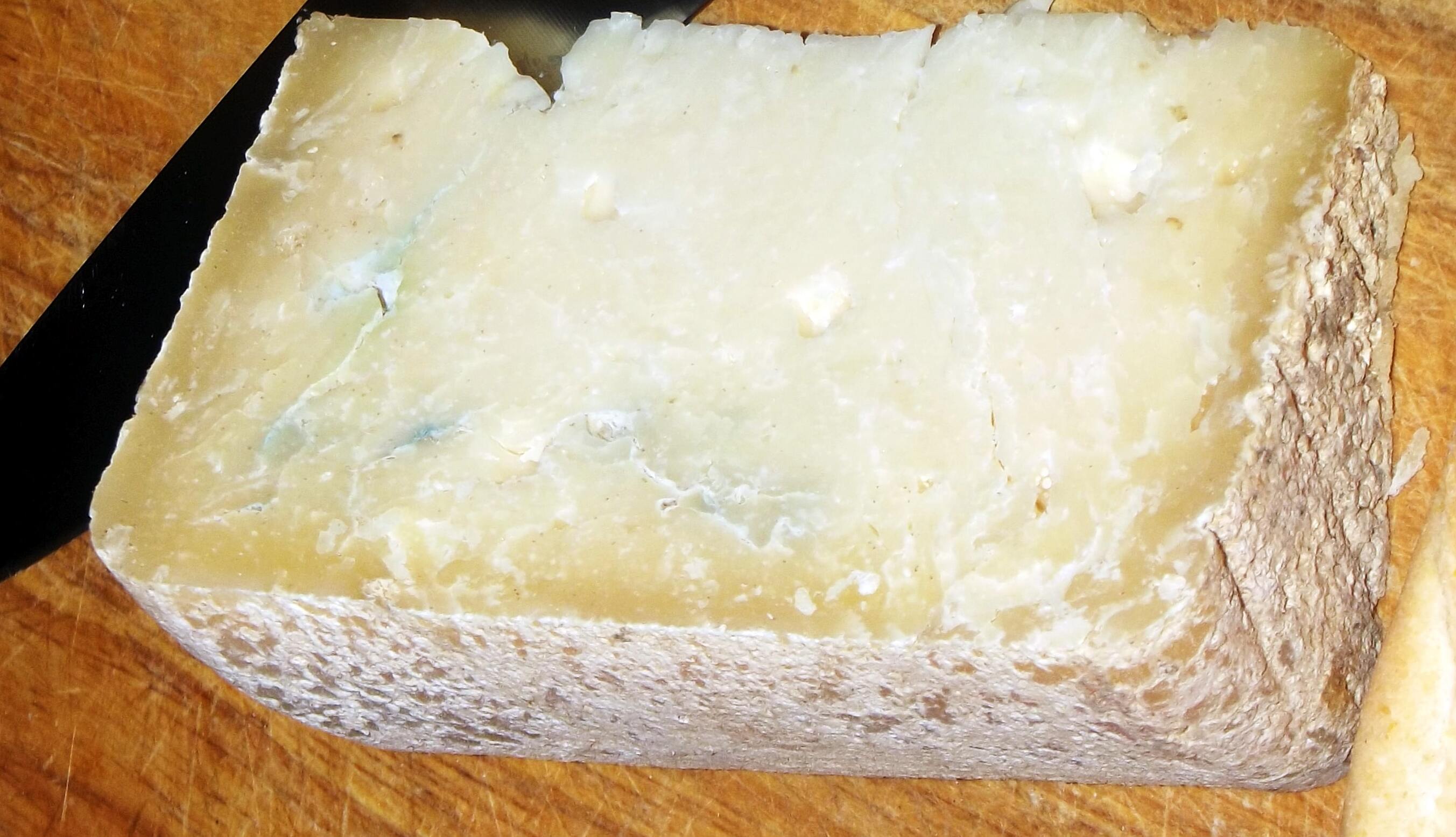

Nestled in the picturesque Alpine region of Italy, the Toma del Lait Brusc, also known as Bianca Alpina, is a cheese that embodies the rich traditions and flavors of its homeland. This raw, semi-skimmed cow's milk cheese is celebrated for its unique characteristics and deep-rooted history, making it a must-try for any culinary enthusiast.
### History and Origins The origins of Toma del Lait Brusc date back centuries, rooted in the pastoral traditions of the Piedmont region. The Alpine farmers, utilizing the abundant grasslands and fresh mountain air, began crafting this cheese as a way to preserve their milk. The Toma name itself is derived from the Piemonte dialect, meaning ‘to take’ or ‘to gather’, reflecting the communal nature of cheese-making in these mountain villages. Over the years, this cheese has transitioned from a staple in local diets to a symbol of Piedmontese culture, with its production techniques being passed down through generations.
### Art and Architecture While Toma del Lait Brusc is primarily known for its culinary significance, the landscapes from which it originates are nothing short of breathtaking. The Alpine architecture of the surrounding villages, characterized by stone houses and wooden chalets, speaks to a time when communities were closely tied to the land. Notable landmarks include the Chiesa di San Giovanni Battista, which showcases intricate frescoes that depict the local agricultural life, including scenes of cheese-making. This architectural heritage not only enhances the region's beauty but also serves as a canvas for the stories of its people.
### Local Culture and Traditions In Piedmont, cheese-making is not just a craft; it is a celebration of community and tradition. Every autumn, local villages host the Fiera del Toma, a cheese festival that draws visitors from across the region. This vibrant event features tastings, cooking demonstrations, and workshops where artisans share their expertise. The festival is steeped in history, often showcasing traditional music and dance, connecting locals and tourists alike to the rich tapestry of Piedmontese culture.
### Gastronomy Toma del Lait Brusc shines not only on its own but also as a key ingredient in various local dishes. This cheese pairs beautifully with local wines such as Barbera and Dolcetto, enhancing the flavors of both. It is often served on charcuterie boards alongside salumi from the region, such as Bresaola and Salame di Turgia. Additionally, it can be melted into hearty polenta dishes or used in risottos, showcasing its versatility in Piedmontese cuisine.
### Lesser-Known Curiosities One surprising fact about Toma del Lait Brusc is its aging process, which can vary significantly based on local microclimates. As the cheese matures, its rind changes color from a soft grey to a robust orange, indicating its flavor profile is intensifying. Furthermore, the cheese is often made using wild herbs and flowers from the surrounding meadows, which can subtly influence its taste, making each batch unique.
### Practical Visitor Information To truly appreciate the Toma del Lait Brusc, the best time to visit is during the autumn months when the Fiera del Toma takes place. This not only allows you to taste the cheese at its finest but also to engage with the local culture. Visitors should consider taking a guided tour of local dairies to witness the cheese-making process firsthand. It’s also advisable to try pairing the cheese with local wines for a full sensory experience. Don’t forget to explore the stunning Alpine landscapes, which provide the perfect backdrop for this culinary adventure.
In conclusion, Toma del Lait Brusc is more than just a cheese; it is a piece of Piedmontese heritage, steeped in history, artistry, and communal spirit. Whether you are a cheese aficionado or a casual traveler, immersing yourself in the flavors and traditions of this region will surely enrich your journey. For a personalized itinerary to explore this delightful area, consider using the Secret World app to plan your trip.
