


Nestled in the stunning Val Chisone, the Fort of Fenestrelle stands as a monumental testament to military engineering and a spirit of resilience. Often described as the "great wall of Piedmont," this colossal fortress, built between the 18th and 19th centuries, sprawls over 3 kilometers along the left side of the valley, with a striking height difference of 650 meters. Its formidable walls whisper tales of strategic military prowess designed to protect the French-Piedmontese border, yet it has never witnessed the chaos of a full-scale siege.

The fort's construction began in 1728 under the reign of King Vittorio Amedeo II of Savoy, primarily as a response to the growing threat from France. Over the decades, it evolved into a significant military stronghold, featuring three fortified complexes: San Carlo, Tre Denti, and Delle Valli. Interestingly, despite its imposing stature, the fortress's role during conflicts was limited to skirmishes, notably during World War II, when it was repurposed by the Italian army. In recognition of its historical significance, the Fort of Fenestrelle was listed among the 100 most endangered historical-archaeological sites worldwide, highlighting the urgent need for preservation.
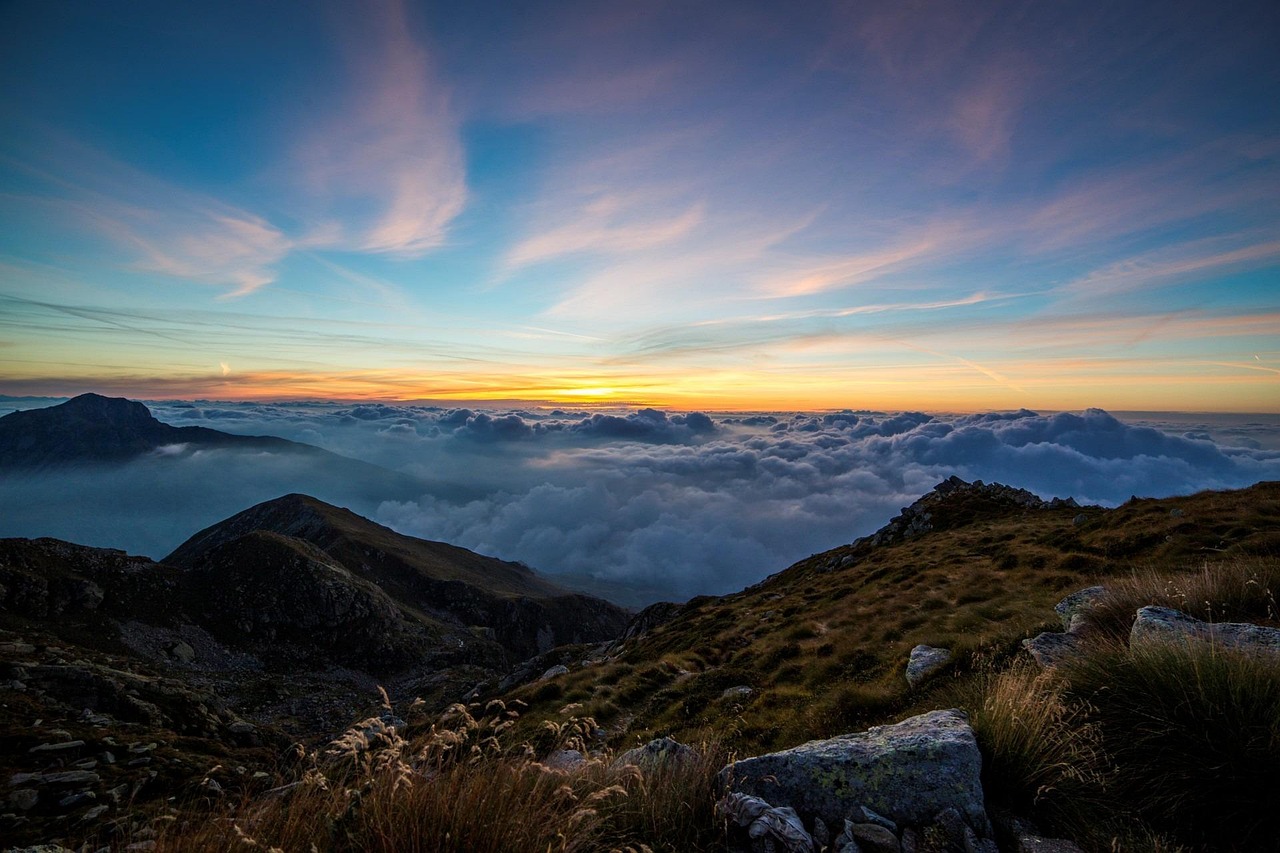
Architecturally, the fort embodies the grandeur of Baroque military design, with its imposing bastions, wide ramparts, and intricate fortifications. The covered staircase, the longest in Europe with about 4,000 steps, connects the three complexes and allows visitors to traverse the fortress while experiencing breathtaking views of the valley below. Each level reveals hidden casemates and redoubts that add layers to its historical narrative. As you ascend to the Garitta del Diavolo at Forte Tre Denti, the panorama unfolds magnificently, showcasing the rugged beauty of the surrounding mountains.
The local culture around Fenestrelle is rich and vibrant, particularly influenced by the fortress's history. The community celebrates various festivals that echo its past. One such event is a theatrical re-enactment that occurs during the summer months, attracting visitors until November 9th. This captivating show features a troupe that weaves the tale of the fort from its inception in 1728 to contemporary times, revealing the mysteries and stories that shaped this alpine fortress. This annual celebration is not only a nod to the fort's military past but also a celebration of local heritage.
When it comes to gastronomy, the region surrounding Fenestrelle does not disappoint. Visitors can delight in local delicacies such as toma, a traditional cheese made from cow's milk, and polenta, a staple dish that warms the soul during the cooler months. Pair these with a glass of Barbera or Dolcetto, two of the region's celebrated wines, for a true taste of Piedmont. Dining in local trattorias offers a chance to savor not just the flavors but also the warm hospitality that characterizes this mountainous community.
For those seeking hidden gems, the Fort of Fenestrelle has its share of lesser-known curiosities. One fascinating detail is the tunnels that run throughout the fortress, originally designed for troop movement and supplies. These tunnels add an air of mystery, and some are still unexplored, hinting at secrets that remain locked within the fortress walls. Additionally, the fort's unique acoustics have led to local legends about ghostly whispers echoing through its corridors, adding an eerie charm to the historical site.
The best time to visit the Fort of Fenestrelle is during the late spring and early autumn months when the weather is mild, and the surrounding landscapes are lush with greenery. Guided tours are available, allowing visitors to delve deep into the fort’s history and architecture. Be sure to wear comfortable shoes—exploring the extensive staircases and tunnels can be quite the workout, but the views and historical insights make every step worthwhile.
In conclusion, the Fort of Fenestrelle is not just a relic of the past; it is a living monument that captures the essence of resilience and history in the heart of the Alps. For a personalized way to explore this fascinating site and plan your journey, consider using the Secret World app to create a tailored itinerary.


