
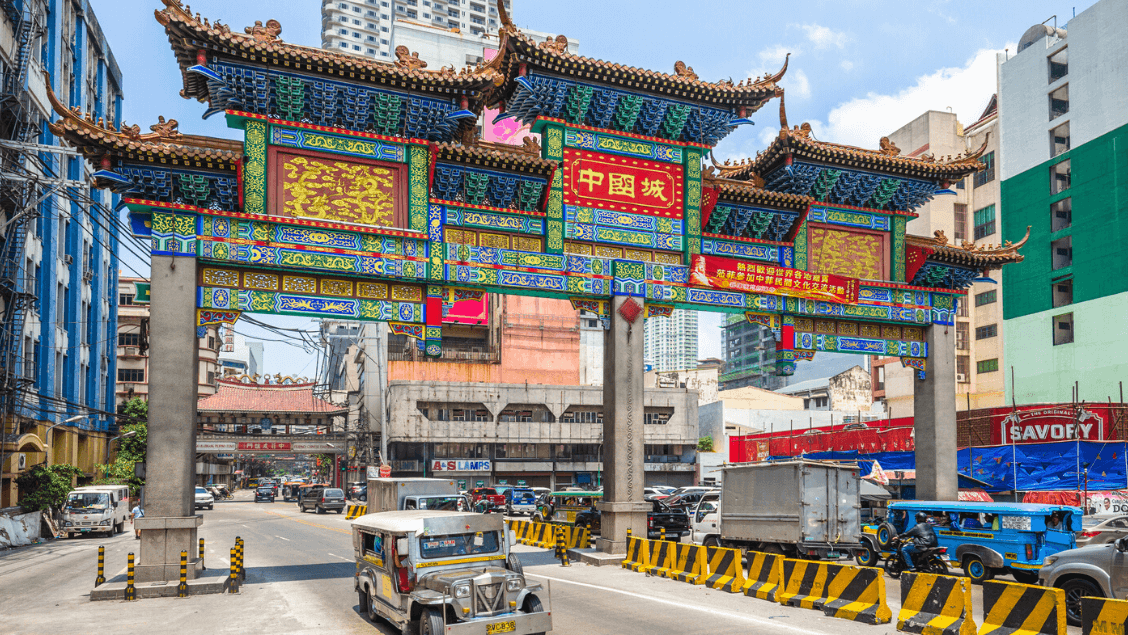

Nestled along the banks of the Pasig River, Binondo is more than just the World’s Oldest Chinatown; it's a vibrant tapestry of history, culture, and gastronomy that narrates the storied relationship between the Philippines and its Chinese community.

History and Origins Founded in 1594 by Spanish colonizers, Binondo emerged as a settlement for Chinese converts to Christianity. Its strategic location across the river from Intramuros allowed Spanish authorities to monitor their new subjects closely. Over the centuries, Binondo has endured various historical upheavals, including the Spanish-American War and World War II, all the while remaining a hub for trade and commerce.
The district witnessed the influx of Chinese immigrants seeking refuge and opportunity, which led to the flourishing of a vibrant community. By the early 20th century, Binondo had established itself as the commercial heart of Manila, embodying the intercultural exchange that continues today.
Art and Architecture Walking through Binondo is like stepping into a living museum of architectural styles. The district showcases a blend of Spanish colonial, Chinese, and modern influences. The Basilica de San Lorenzo Ruiz, a church named after the first Filipino saint, is a quintessential example, featuring intricate details that reflect both Filipino and Chinese artistry.
Another highlight is the Chinatown Arch, a colorful structure adorned with traditional Chinese motifs, symbolizing the rich cultural heritage of the area. Street art and murals pepper the alleyways, showcasing local artists who capture Binondo’s essence through vibrant expressions.
Local Culture and Traditions Binondo is alive with traditions that celebrate its rich cultural heritage. The annual Chinese New Year festival draws locals and tourists alike, with vibrant parades, lion dances, and fireworks illuminating the streets. The district also observes the Feast of San Lorenzo Ruiz, where devotees honor the saint with processions and prayers, blending Catholic and Chinese customs.
On any given day, the streets are filled with locals engaging in practices such as feng shui consultations or purchasing lucky charms from street vendors, highlighting the enduring belief in superstitions and traditions from Chinese culture.
Gastronomy No visit to Binondo is complete without indulging in its diverse culinary offerings. The streets are lined with eateries that serve an array of delectable dishes. Dumplings, siopao (steamed buns), and pancit (noodles) are just the beginning. The famed Binondo food crawl offers a unique opportunity to taste local specialties like lumpiang shanghai (spring rolls) and kwek-kwek (quail eggs coated in orange batter).
For dessert, don’t miss out on hopia, a flaky pastry filled with mung bean or ube, and the refreshing buko pandan salad, a delightful mix of young coconut and pandan-flavored jelly. Pair your meal with a cup of strong Chinese tea or a refreshing glass of sago’t gulaman, a sweet drink made with tapioca pearls and gelatin.
Lesser-known Curiosities While Binondo is bustling with tourists, many miss its hidden gems. For instance, Salazar’s Bakery, a local institution, has been serving delicious hopia for over 100 years. Another curiosity is the Buddha’s Hand, a unique fruit that resembles a hand with elongated fingers, often found in local markets and used in traditional Chinese medicine.
Moreover, the Sampaloc Tree in Plaza Lorenzo Ruiz is said to be over a century old, providing a shady respite for visitors while also serving as a silent witness to the district's vibrant history.
Practical Visitor Information The best time to visit Binondo is during the cooler months from November to February when the weather is more pleasant for walking tours. Weekdays are ideal for experiencing the local vibe without the weekend crowds.
As you explore, keep an eye out for the Binondo Heritage Tour, which offers guided walks through the district, showcasing its history and hidden spots. For shopping, don’t forget to haggle at local markets for fresh produce and unique souvenirs.
In conclusion, Binondo is a living testament to the rich tapestry of cultures that have shaped the Philippines. With its historical significance, artistic expressions, and culinary delights, it promises an enriching experience for every visitor.
For a personalized itinerary to navigate the wonders of Manila, consider using the Secret World app.


