
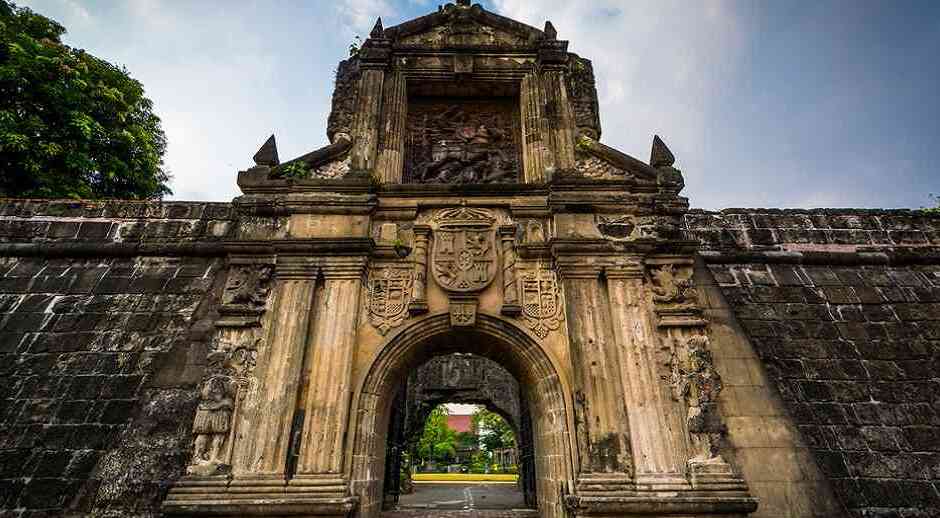

Nestled within the historic walls of Intramuros, Fort Santiago stands as a testament to the rich tapestry of Manila's past. This 15th-century fortress is not just a relic of colonial might; it is a poignant symbol of resilience and Philippine nationalism, intimately tied to the life and martyrdom of José Rizal, the nation's hero. Here, where the Pasig River converges with the sea, the stories of heroes, battles, and a nation's struggle for identity echo through the stone walls.
History and Origins
Fort Santiago was constructed in 1571 under the orders of Miguel López de Legazpi, the first Spanish governor-general of the Philippines. It served as a robust defense against invaders and a base for the Spanish colonial government. The fort's strategic location at the mouth of the Pasig River allowed it to guard the entrance to Manila Bay, making it a critical point during the Spanish colonization.
Throughout its history, Fort Santiago witnessed numerous pivotal events, including the imprisonment of José Rizal in 1896 before his execution by firing squad, an act that galvanized the Philippine revolution against Spanish rule. The fort was named after Saint James (Santiago in Spanish), the patron saint of Spain, symbolizing the intertwining of faith and colonial power. Remarkably, the fort not only played a military role but also became a significant site for the Manila Galleon trade, connecting the Philippines to the Americas and Europe for over 300 years.
Art and Architecture
The architecture of Fort Santiago reflects a blend of Spanish colonial and local influences, characterized by its sturdy stone walls and intricate designs. Its perimeter stretches approximately 2,030 feet (620 m) in a nearly triangular shape, with fortifications built from volcanic tuff and coral stone. Visitors can admire the Rizal Shrine, which houses memorabilia of José Rizal, including his writings, personal items, and even the original execution site.
The fort's entrance is adorned with a striking relief depicting Saint James, showcasing the artistry of the period. The surrounding gardens are equally captivating, filled with native flora and statues that pay homage to the heroes who fought for Philippine independence. Fort Santiago is more than a military fortress; it is a gallery of Philippine history expressed through its architecture and art.
Local Culture and Traditions
The cultural significance of Fort Santiago extends beyond its walls. As a central part of Intramuros, the fort is often a focal point for cultural festivals and events celebrating Philippine heritage. Araw ng Kagitingan, or Day of Valor, is commemorated here, honoring the bravery of Filipino and American soldiers during World War II.
Visitors may also encounter traditional performances, such as Filipino folk dances, which reflect the rich tapestry of local customs. The fort serves as a gathering place for artists, historians, and cultural practitioners, making it a living monument to Philippine identity.
Gastronomy
No visit to Fort Santiago is complete without indulging in local flavors. The nearby streets are lined with vendors and cafes offering traditional Filipino dishes. Be sure to try adobo, a savory stew made with meat marinated in vinegar, soy sauce, and garlic, or lumpia, a Filipino spring roll filled with vegetables or meat.
For dessert, halo-halo is a must—this popular Filipino treat combines shaved ice, sweet beans, fruits, and leche flan, topped with a scoop of ube ice cream. Pair your meal with a refreshing glass of sago't gulaman, a sweet drink made from tapioca pearls and gelatin, perfect for the tropical heat.
Lesser-known Curiosities
While many tourists flock to the main attractions, some lesser-known details about Fort Santiago offer surprising insights. For instance, the fort's dungeons, which once held prisoners, provide a chilling glimpse into the darker aspects of colonial rule.
Additionally, there are hidden passages and secret rooms within the fort that reflect its complex history. Many visitors are unaware that the fort served as a refuge during the Japanese occupation in World War II, wherein it became a makeshift hospital and shelter for locals.
Practical Visitor Information
The best time to visit Fort Santiago is during the cooler months, from November to February, when the weather is more pleasant for exploring. Be sure to wear comfortable shoes, as the cobbled paths and expansive grounds invite leisurely strolls.
Visitors should take the time to engage with the knowledgeable guides, who offer fascinating stories and insights about the fort's history. A stroll along the ramparts provides stunning views of the Pasig River and the skyline of modern Manila, juxtaposing the old with the new.
As you explore this historic site, look for the “Baluarte de San Francisco de Asis,” a lesser-known bastion that offers a quieter perspective on the fort's grandeur.
For a rich and personalized experience of Manila, consider using the Secret World app to plan your itinerary and uncover the city’s hidden gems.


