
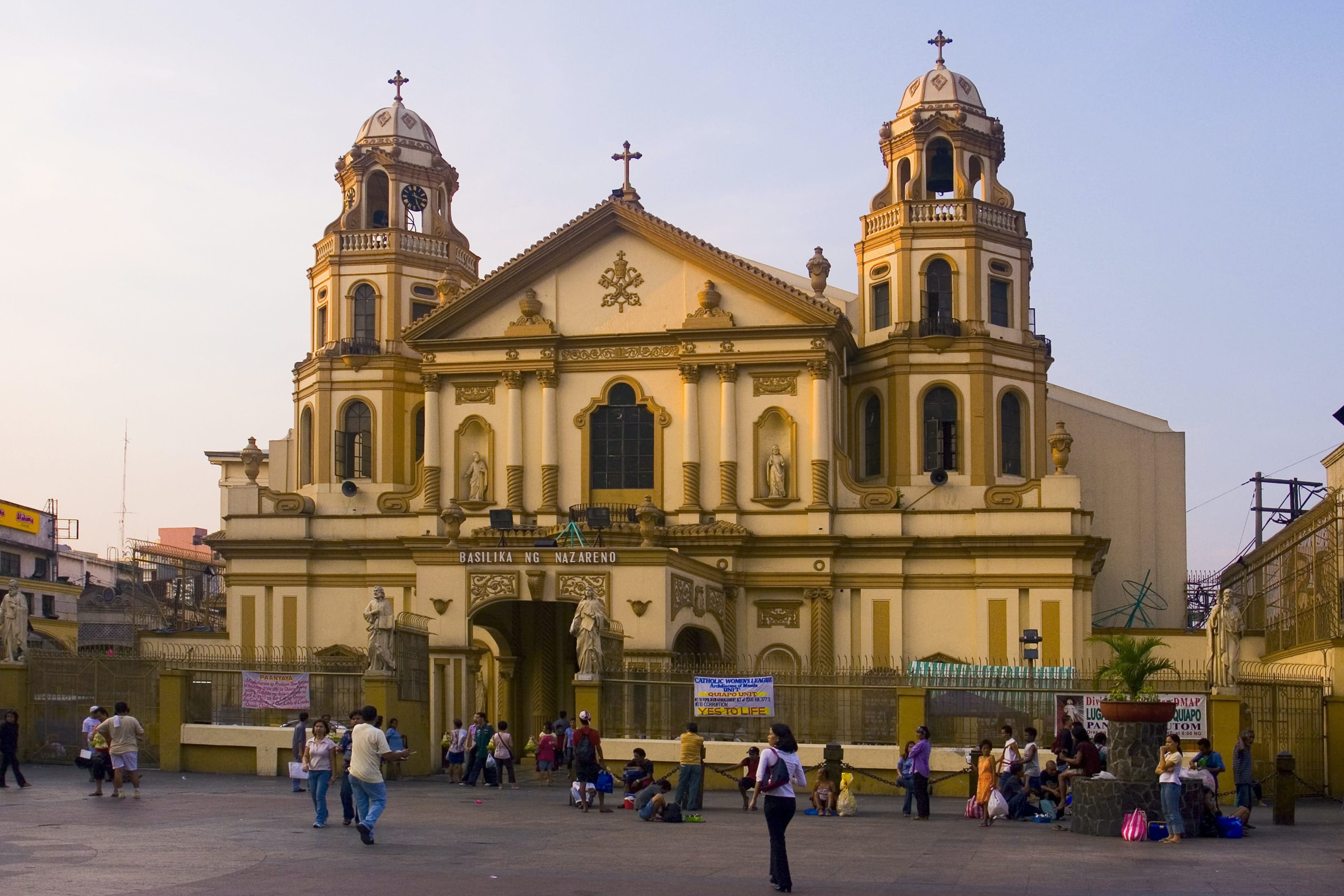

Nestled in the bustling heart of Manila, Quiapo Church, formally known as the Basilica of the Black Nazarene, is a beacon of faith and culture. Its dynamic presence draws locals and visitors alike, making it an essential stop on any exploration of the city.
The church’s history dates back to 1606, when it was originally established by Franciscan missionaries. The wooden statue of the Black Nazarene, believed to be a miraculous representation of Jesus Christ, was brought to the Philippines from Mexico. The statue's dark hue is attributed to the burning of the original statue during a transport accident, which led to its current color. Over the centuries, the church has endured numerous trials, including a devastating fire in 1932, which almost destroyed the structure entirely. However, it was rebuilt and continues to serve as a vital spiritual hub for countless devotees.
Architecturally, Quiapo Church is a striking example of Baroque style, characterized by its ornate details and grand scale. The façade is adorned with twisted columns, a hallmark of Baroque influence, which provide a visual dynamism to the otherwise solid structure. The Corinthian columns on the second level, with their unique twisted shafts, are both functional and decorative. The church’s belfries rise majestically, rimmed with balustrades and embellished with scroll decorations. The tympanum of the pediment features chalice-shaped finials, which add to the church’s unique silhouette. A key feature is the quatrefoil window, which, although sealed since the late 1980s, once offered a glimpse into the church's intricate design. This window was replaced by a relief symbolizing the church's minor basilica status, further enhancing its significance.
Quiapo Church is perhaps best known for its Black Nazarene Procession, a deeply ingrained tradition in Filipino culture. Each year, on January 9 and during Good Friday, thousands of devotees participate in a fervent procession that fills the streets with prayers and songs. Pilgrims come from all over the country to touch the statue, believing in its miraculous powers to heal and grant wishes. The event is a testament to the unwavering faith of the Filipino people and a mesmerizing spectacle of devotion, filled with emotional highs and communal spirit.
During these festivals, local culture comes alive, intertwining with the rituals of devotion. Street vendors line the streets leading to the church, selling traditional Filipino delicacies such as bibingka (rice cake), puto bumbong (purple rice cake), and suman (sticky rice wrapped in leaves). The aroma of halo-halo, a popular dessert made from a mix of shaved ice, fruits, and evaporated milk, wafts through the air, enticing visitors to indulge in local flavors. These culinary delights not only nourish the body but also enhance the communal experience, as families and friends gather to share food while awaiting the procession.
Amidst the vibrant atmosphere, there are lesser-known curiosities that make Quiapo Church even more intriguing. For instance, the church has its own unique subculture of devotees, known for their distinct attire and fervent rituals. Some attendees come dressed in maroon and yellow, the colors representing the Black Nazarene. Additionally, the church houses a collection of ex-votos, or offerings from grateful devotees, ranging from photographs to intricate representations of ailments that were healed through the statue’s intercessions. These offerings paint a picture of hope and gratitude, drawing visitors into the personal stories behind each token.
For those planning a visit, the best time to experience Quiapo Church is during the early morning or late afternoon, when the light enhances its architectural beauty. Arriving early allows you to witness the serene atmosphere before the influx of worshippers. It’s advisable to dress modestly as a sign of respect, and be prepared for large crowds, especially during processions. Look out for the intricate details of the church’s façade and take a moment to appreciate the quiet corners where devotees light candles and offer prayers.
Don't miss the chance to explore the surrounding area, rich with local history and culture, including the nearby Quiapo Market, famous for its vibrant street life and eclectic mix of goods. Here, you can find everything from textiles to religious artifacts, allowing for an immersive cultural experience.
With its rich history, stunning architecture, and vibrant local customs, Quiapo Church stands as a testament to the enduring faith of the Filipino people. Its lively atmosphere and deep spiritual significance make it a must-visit destination in Manila. To truly enhance your visit, consider using the Secret World app to craft a personalized itinerary that captures the spirit of this remarkable city.


