
🎄 Win a month in Italy for two — €10,000 · The Secret Italy Prize GO →
Blue Palace — Pisa
← Back
Palaces, Villas and Castles 📍 Pisa, Italy 363 views

Blue Palace

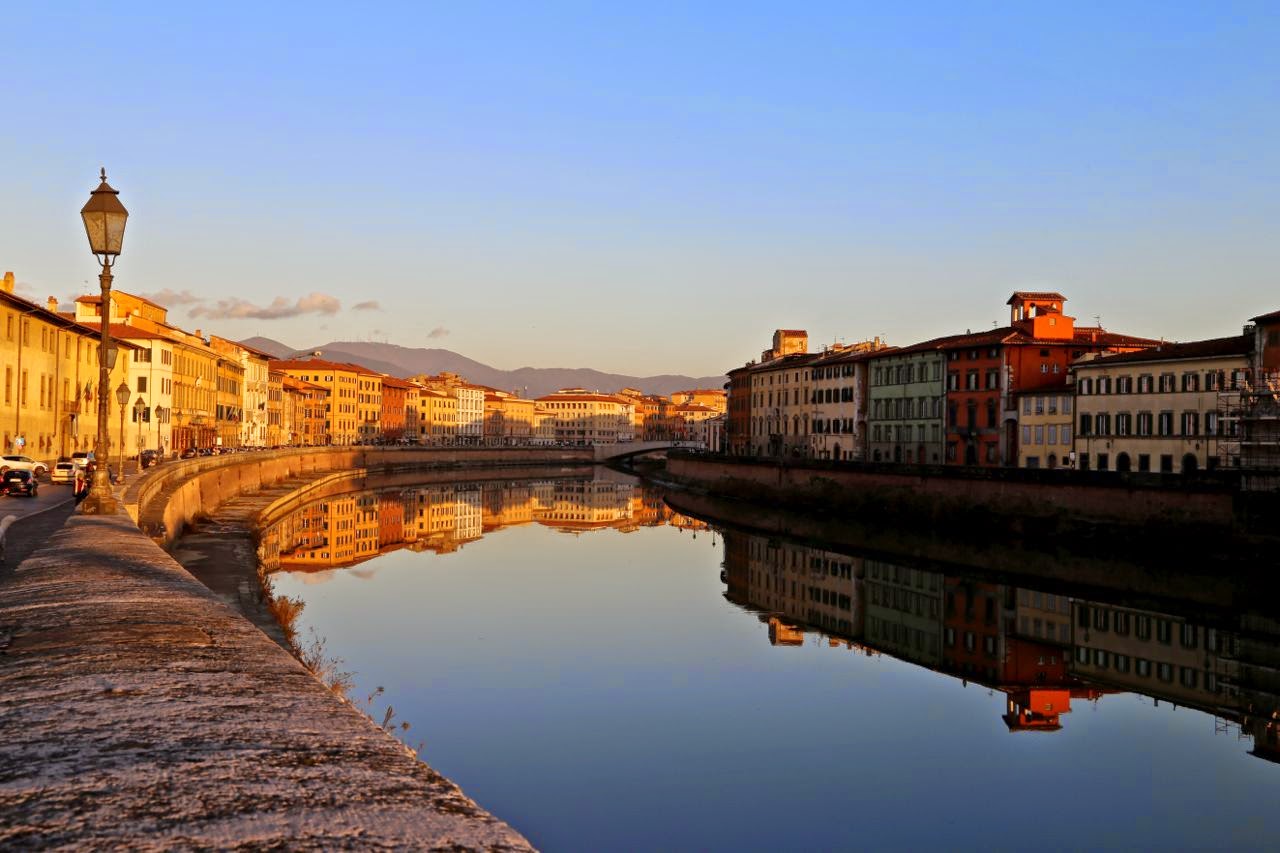
The complex of buildings that in Pisa occupies the entire block between Lungarno Gambacorti, via Toselli, via delle Belle Donne and piazza dei Facchini, is the result of a history that goes back a long way. Placed in a strategic position, at the entrance of the bridge that in the...

Photo · Jade J.

Blue Palace — Pisa, Italy.

Location
Pisa
Type
Palaces, Villas and Castles
Opening hours
Weather now
24°C
↗ Directions

About Blue Palace

Blue Palace - Pisa | Secret World Trip Planner

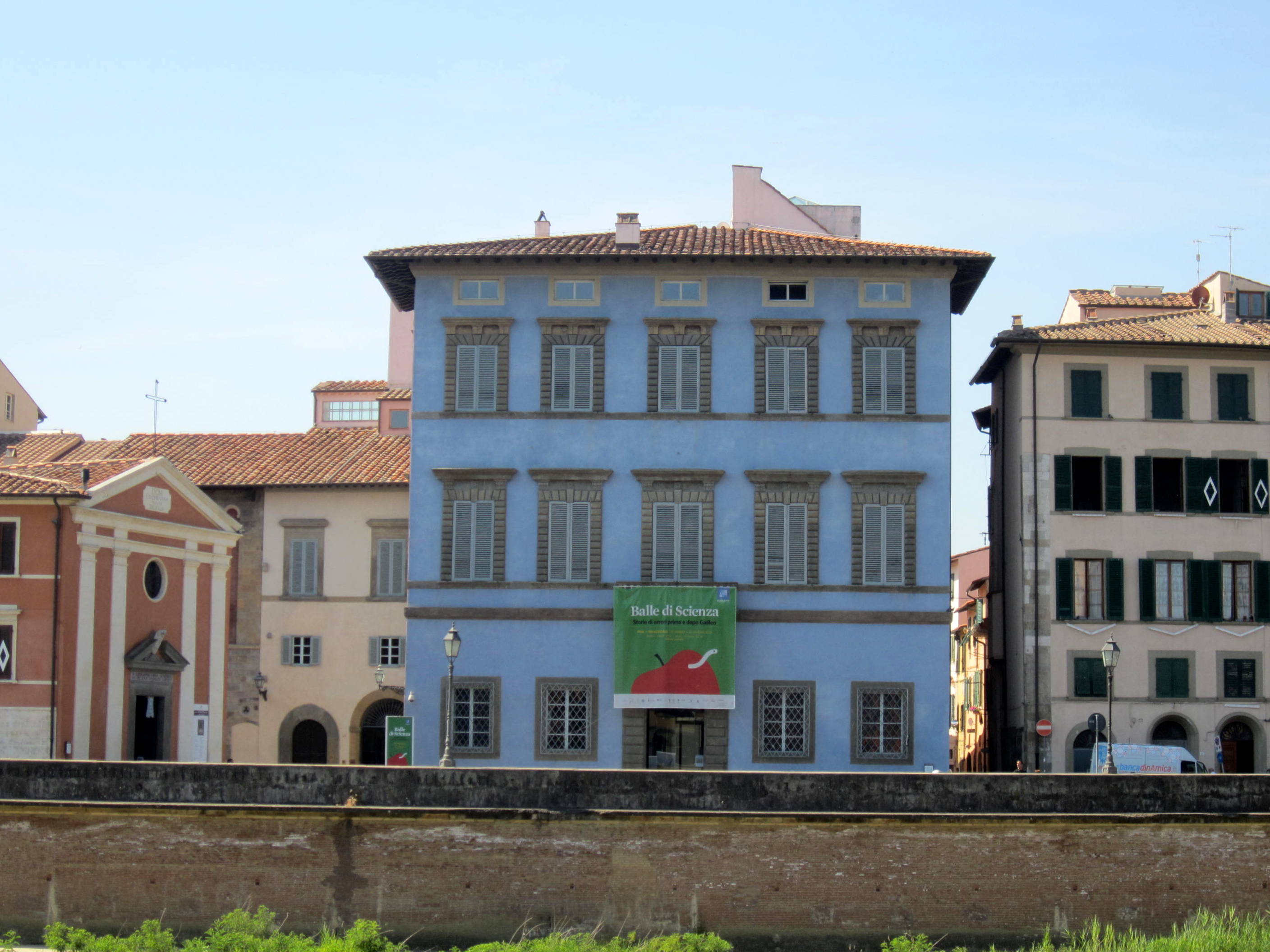
The complex of buildings that in Pisa occupies the entire block between Lungarno Gambacorti, via Toselli, via delle Belle Donne and piazza dei Facchini, is the result of a history that goes back a long way. Placed in a strategic position, at the entrance of the bridge that in the tenth century crossed the river in front of the golden gate of the pre-municipal city, the buildings have undergone over the centuries reconstructions, destructions, architectural changes and use by a long series of owners, often belonging to the most powerful and illustrious families of the city.
Blue Palace - Pisa | Secret World Trip Planner

From the Middle Ages with the Sismondi and Buonconte families, up to Giovanni dell'Agnello, the first and only "Doge" of Pisa, who built his residence there in the mid-fourteenth century, the area and the buildings that insisted on it have followed the events of the city's history, with the decadence of the Renaissance after the Florentine conquest and the recovery in the sixteenth and seventeenth centuries, when the Medici returned to take an interest in Pisa as the second city of their principality.

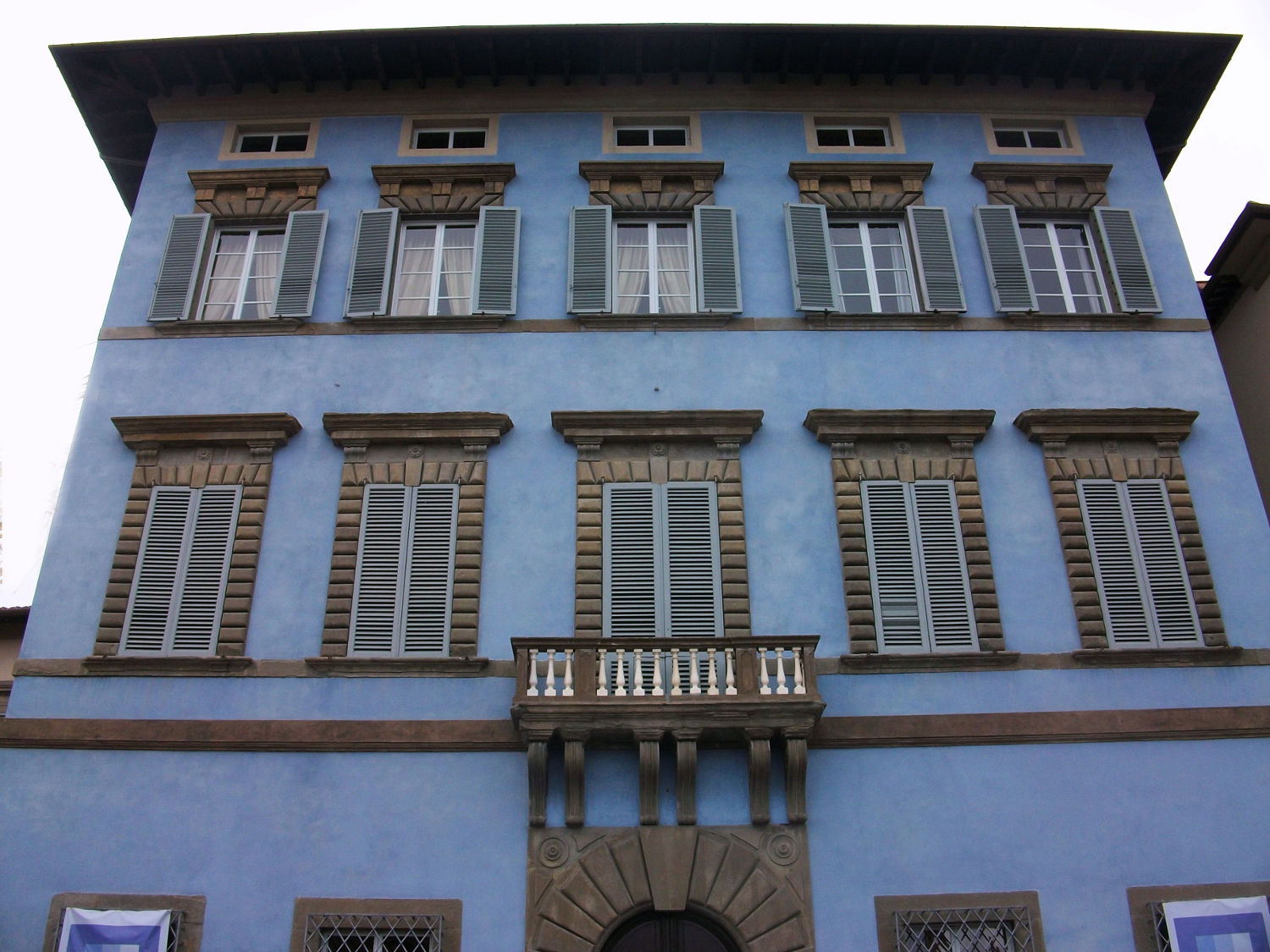
The complex then belonged to the Sancasciano and Del Testa, to whom we owe the late sixteenth-century structure that the palace kept until the eighteenth century, when it was subject to further changes by the new owners, the Agostini. The palace belonged again to a branch of the Del Testa family, then to the Bracci Cambini and to the Archinto. The external color of the palace, so anomalous in today's Lungarno, dates back to this period. The particular blue, found on the facade under the most recent layers of painting, was probably due to the taste of guests from St. Petersburg who stayed in the palace at that time. Many of the decorations of the rooms to which the restoration has given new life date back to that period. The last important intervention on the palace, a little later than the restructuring of the Lungarni by Simonelli, dates back to the years after the Unification of Italy. Count Domenico Giuli, owner of the palace, bought in 1864 from the Municipality of Pisa a stretch of the alley between Via dell'Olmo and Via del Cappello, building a new wing that made symmetrical the facade and connected it with the palace Casarosa, also owned by him. In the years that followed the palace assumed the aspect that still preserves.
Blue Palace - Pisa | Secret World Trip Planner

The Pisa Foundation, buying the building at the beginning of the 2000s, wanted to create a center for cultural activities and exhibitions. Currently, the palace houses the headquarters of the Palazzo Blu Foundation which, since the beginning of 2011, manages and organizes events within the exhibition spaces.

✦ Secret World · suggested day

A perfect day in Pisa

Start with Blue Palace, then continue with nearby places selected by Secret World.

  1. 01
    Morning
    Blue Palace
    📍 Pisa
    Start here
  2. 02
    Afternoon
    📍 0.3 km away
  3. 03
    Evening
    📍 0.3 km away

Collect this place

Turn places you discover into stamps in your Secret Passport.

Open Secret Passport →

Keep exploring · Pisa

Frequently Asked Questions

The distinctive blue color on the palace's facade dates back to the eighteenth century and was likely inspired by the taste of guests from St. Petersburg who stayed there during that period. The particular shade of blue was discovered under more recent layers of paint during restoration work, revealing this unique historical detail.
The Blue Palace complex spans centuries of Pisan history, beginning in the Middle Ages with families like the Sismondi and Buonconte, and notably serving as the residence of Giovanni dell'Agnello, Pisa's first and only 'Doge' in the mid-fourteenth century. The palace subsequently belonged to prominent families including the Medici-era Del Testa family, the Sancasciano, Bracci Cambini, and Archinto, with each leaving their architectural mark on the building.
The Blue Palace occupies an entire city block in Pisa between Lungarno Gambacorti, via Toselli, via delle Belle Donne, and piazza dei Facchini. It sits in a strategically important position at the entrance of a bridge that in the tenth century crossed the river near the golden gate of the pre-municipal city.
Many of the palace's room decorations dating to the eighteenth century, when the Archinto family owned it, were restored and brought back to life during renovation work. The most recent major restoration occurred after the Unification of Italy, around the same time as the restructuring of the Lungarni by Simonelli.
The Blue Palace was home to some of Pisa's most illustrious families throughout history, including the Sismondi, Buonconte, Del Testa, Sancasciano, Bracci Cambini, and Archinto families. Most notably, it served as the residence of Giovanni dell'Agnello, Pisa's unique 'Doge,' who built his home there in the mid-fourteenth century.

Experiences nearby · Pisa

Powered by Viator

See more on Viator.com

Secret World Hidden places, real stories — plan your trip
Get the app
