

In the heart of Italy, where the ancient and the contemporary intertwine, lies Bologna, a city that pulsates with history and culinary prowess. Known as the gastronomic capital of Italy, Bologna not only boasts rich traditions but is also the birthplace of the famous tagliatelle — a dish that has become synonymous with its identity.
History and Origins
Bologna’s roots stretch back to the Etruscans, who established a settlement called Felsina around 540 BC. The city flourished under Roman rule, becoming Bononia and a key center for trade and culture. By the Middle Ages, Bologna was renowned for its university, founded in 1088, which is considered the oldest in the world. This academic spirit fostered a rich environment for art, philosophy, and, crucially, cuisine.
A legendary tale claims that tagliatelle were first crafted in 1487 by Bolognese chef Zefirano during the wedding of Lucrezia Borgia to Alfonso I d'Este. Inspired by the bride's flowing blonde hair, he fashioned the pasta into delicate strands. However, this romantic story was actually a whimsical invention by illustrator Augusto Majani in 1931. Despite its dubious origins, the tale reflects Bologna's deep connection to its culinary creations.
Art and Architecture
Bologna is a feast for the eyes, with its medieval architecture and vibrant artistic heritage. The Two Towers, Asinelli and Garisenda, dominate the skyline, showcasing the city’s medieval power. The Asinelli Tower, standing at 97 meters, offers a breathtaking view of the terracotta rooftops that characterize Bologna.
Art lovers will find a treasure trove in the Basilica di San Petronio, the largest Gothic church in Italy. Its unfinished façade and stunning interior host masterpieces, including frescoes by Giovanni da Modena. The Pinacoteca Nazionale displays works by renowned artists such as Giotto and Raffaello, underscoring Bologna’s significant role in the Renaissance.
Local Culture and Traditions
The Bolognese take pride in their rich cultural tapestry, expressed through various festivals and traditions. The Festa di San Petronio in October honors the city’s patron saint with processions, music, and food. Meanwhile, the Fiera di San Luca, a vibrant fair in November, celebrates local produce and crafts, drawing visitors from across the region.
Local customs also permeate everyday life, with a strong emphasis on community and family. The tradition of sharing meals, especially during Sunday gatherings, remains a cornerstone of Bolognese culture, echoing the city’s culinary heritage.
Gastronomy
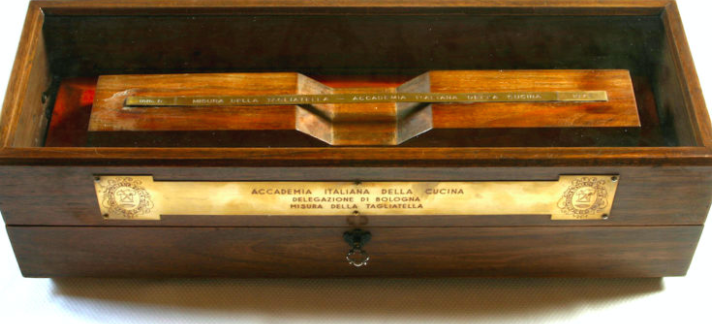
Bologna’s culinary scene is legendary, with ragù alla Bolognese reigning supreme. This rich meat sauce, made from a blend of pork, veal, and beef, is slow-cooked with butter, bacon, herbs, and a splash of red wine, served generously over tagliatelle. The pasta, precisely cut to 8 millimeters in width — a measure that corresponds to the Asinelli Tower — is a testament to the city’s dedication to culinary excellence.
While ragù is the crown jewel, the city offers a plethora of other delights, including tortellini, filled with savory meats, and lasagna verde, layered with fresh spinach pasta and creamy béchamel. Pair these dishes with a glass of Sangiovese, a local red wine, for an authentic Bolognese experience.
Lesser-known Curiosities
Beyond the well-trodden paths lies a treasure trove of curiosities. For instance, did you know that Bologna’s Porticoes, stretching over 38 kilometers, are a UNESCO World Heritage site? These covered walkways not only provide shelter but also create a unique atmosphere, inviting leisurely strolls through the city’s bustling streets.
Another hidden gem is the Bologna’s Secret Canals, remnants of the city’s medieval waterways. Though often overshadowed by the grand architecture above, these canals tell stories of commerce and daily life from centuries past, waiting to be discovered by the curious traveler.
Practical Visitor Information
The best time to visit Bologna is during the spring (April to June) or early autumn (September to October) when the weather is mild, and the city’s vibrant atmosphere comes alive with festivals and outdoor events. Be sure to explore beyond the main squares; try wandering through the Quadrilatero, where you’ll find artisanal shops and bustling markets filled with local produce.
For the ultimate experience, consider joining a cooking class to learn the art of making tagliatelle from scratch or indulge in a food tour that highlights the city’s culinary heritage.
Bologna is a city that beckons exploration, blending history, art, culture, and gastronomy into an unforgettable experience. As you traverse its streets, let the allure of the Golden Tagliatella guide you through its rich tapestry.
To plan your personalized itinerary and uncover Bologna’s secrets, consider using the Secret World app for a tailored experience.


