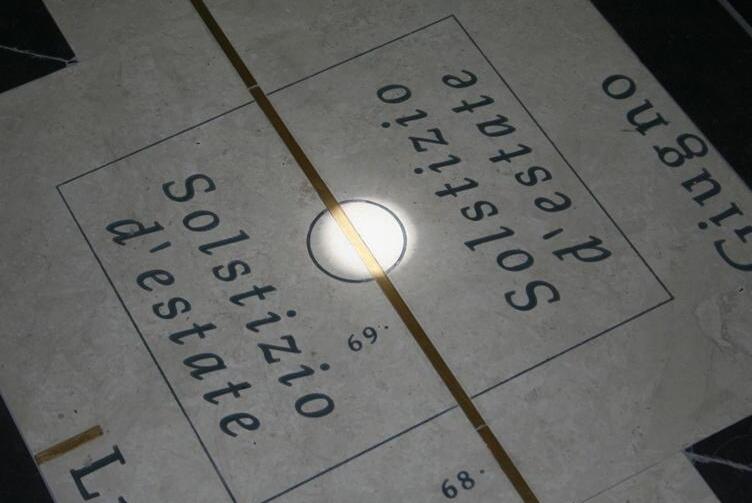

In the heart of Bologna, where the vibrant spirit of Italy meets rich historical tapestry, lies an extraordinary treasure: the Basilica of San Petronio, home to the longest covered sundial in the world. More than just a timekeeping device, this remarkable instrument offers a glimpse into the interplay of science, art, and spirituality that has defined this remarkable city for centuries.
### History and Origins
The origins of the Basilica di San Petronio date back to 1390, when construction began under the direction of the Bologna’s Commune. Dedicated to the city’s patron saint, San Petronio, the basilica was envisioned as a grand edifice to rival St. Peter's Basilica in Rome. However, due to political and economic challenges, the church was never fully completed, leaving a striking architectural narrative that reflects Bologna's fluctuating fortunes.
The sundial itself, known as the sciatere, was added in 1655 by the astronomer Giorgio Vasari, who ingeniously utilized the basilica’s architecture to create this remarkable instrument. Measuring an impressive 66.8 meters, this sundial corresponds to the six hundred thousandth part of the earth's circumference, serving not only as a functional piece of astronomy but also as a significant artistic element within the church.
### Art and Architecture
With its Gothic architecture and stunning façade, the Basilica of San Petronio captivates visitors from the moment they approach its grand entrance. The intricate marble work and towering spires are a testament to the era’s architectural ambition. Inside, the basilica boasts a wealth of artistic treasures, including frescoes, stained glass, and sculptures that narrate biblical tales and celebrate the divine.
The sundial itself is a masterpiece of precision, with its gnomon—the rod that casts the shadow—elegantly designed and integrated into the church's structure. The play of light and shadow across the sundial not only tells time but also invites contemplation of the celestial movements, reflecting the Renaissance belief in the harmony between art and science.
### Local Culture and Traditions
As one of Italy's cultural capitals, Bologna is renowned for its vibrant traditions and customs. The city hosts a range of festivals throughout the year, with Festa di San Petronio in early September being a highlight. This celebration honors the patron saint with a procession, music, and communal feasting, embodying the local spirit of camaraderie and reverence.
Bologna's reputation as a culinary haven adds another layer to its cultural significance. The city is famous for its ragù alla Bolognese, a rich meat sauce served with tagliatelle, as well as tortellini and lasagna. The local markets bustle with life, offering fresh produce and artisanal products that reflect the region’s gastronomic heritage.
### Gastronomy
No visit to Bologna would be complete without indulging in its renowned cuisine. The region is famous for its Emilian dishes, which emphasize fresh, local ingredients. Mortadella, a type of Italian sausage, is another must-try delicacy, often enjoyed with crusty bread and a glass of Sangiovese wine from nearby vineyards.
The local food scene is also characterized by its vibrant markets. The Mercato di Mezzo and Mercato delle Erbe are perfect spots for sampling local cheeses, cured meats, and sweets like torta di riso, a rice cake that reflects the city’s culinary diversity.
### Lesser-Known Curiosities
For those willing to explore beyond the well-trodden paths, Bologna offers a wealth of hidden gems. One such curiosity is the Bologna's Porticoes, which stretch for over 38 kilometers throughout the city, providing shelter and a unique architectural feature. The porticoes are recognized as a UNESCO World Heritage site, symbolizing Bologna's commitment to public space and accessibility.
Additionally, the sundial within the basilica serves as a reminder of the city’s deep scientific roots. It is one of the oldest sundials still in operation and has been meticulously maintained to preserve its purpose. On sunny days, visitors can witness the shadow dancing across the dial, a mesmerizing reminder of the passage of time.
### Practical Visitor Information
The best time to visit Bologna is during the spring and early autumn months when the weather is mild and the city is alive with festivals. Early morning or late afternoon visits to the Basilica of San Petronio allow for fewer crowds and the opportunity to appreciate the intricate details of the sundial without haste.
While exploring the basilica, take a moment to engage with the local guides, who can share captivating stories and insights about the sundial's significance and the basilica’s history. Don’t forget to look up; the stunning frescoes and soaring ceilings are as much a part of the experience as the sundial itself.
In conclusion, Bologna's Basilica of San Petronio and its remarkable sundial encapsulate the city’s rich historical, artistic, and culinary legacy, inviting travelers to immerse themselves in a vibrant tapestry that has evolved over centuries. For a tailored adventure through this enchanting city, consider using the Secret World app to curate your own personalized itinerary.
