
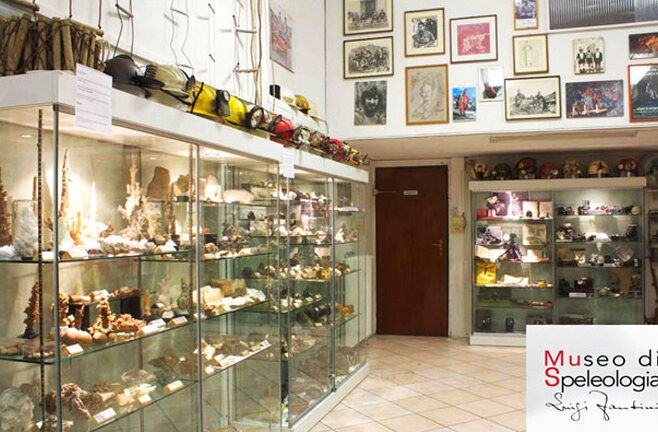

Nestled within the historic Cassero di Porta Lame, the Speleological Museum of Bologna is a captivating treasure trove that invites visitors to explore the enchanting world beneath our feet. This museum, located in Piazza IV Novembre 1944, offers a unique perspective on the fascinating realm of caves and their geological wonders.
The museum’s origins trace back to 1932, when Luigi Fantini founded the Gruppo Speleologico Bolognese (GSB), a society dedicated to the exploration and study of caves in the surrounding regions. This grassroots initiative paved the way for the collection that now resides within the museum's walls. Over the years, the GSB has played a significant role in promoting speleology, allowing enthusiasts and researchers to delve into the mysteries of the underground. A complete renovation of the museum in December 2018 marked a new era, enhancing the collection and making much of its documentary heritage accessible online.
Architecturally, the Cassero di Porta Lame is a striking example of Bologna's medieval fortifications, originally constructed in the 14th century to protect the city from invasions. The building's robust structure, characterized by its brickwork and imposing towers, complements the museum's focus on geological history. Inside, the museum has been carefully designed to create an immersive experience, with modular spaces that can adapt to various exhibitions and events. Visitors can admire the intricate displays of crystallizations and minerals, showcasing not only local specimens from the Gessi Bolognesi but also items from various geographical regions.
Culturally, Bologna is a city steeped in tradition, with a rich tapestry of local customs and festivals. The Fiera di San Petronio, held in early September, is a celebration of the city's patron saint, featuring parades, music, and local gastronomy. The museum, too, plays a role in promoting Bologna's heritage, particularly through its educational programs designed for children. The interactive laboratory focuses on karstic phenomena, allowing young explorers to engage with the geological processes that shape the world around them.
Speaking of gastronomy, Bologna is famous for its culinary delights, and a visit to the Speleological Museum can easily be paired with a culinary journey through the city. Don't miss trying the iconic Tagliatelle al Ragù, a dish that embodies the heart of Bolognese cuisine. Pair it with a glass of Sangiovese, a robust red wine that complements the region’s rich flavors. For a sweet treat, indulge in Torta di Riso, a traditional rice cake that has roots in the local culture.
As you wander through the exhibits, keep an eye out for lesser-known curiosities that add depth to your visit. For instance, the museum houses an assortment of unique speleological tools used by early explorers, some dating back nearly a century. Additionally, the collection includes rare mineral specimens that illuminate the geological diversity of the region. One surprising story involves the Bolognese cavers who, during World War II, used their skills to navigate and map underground passages, often aiding in clandestine operations.
For those planning a visit, the best time to explore the Speleological Museum is during the spring and autumn months when the weather is mild, making the journey through Bologna's cobblestone streets a pleasure. The museum is conveniently located near other historical sites, making it easy to include in a day of exploration. Be sure to take advantage of the educational programs, especially if you have children, and consider attending one of the temporary exhibitions that often highlight current research in speleology.
As you immerse yourself in the geological marvels and historical significance of the Speleological Museum, you’ll discover a side of Bologna that many tourists overlook. The blend of history, architecture, culture, and gastronomy makes this museum a must-visit, offering insights that resonate long after your visit.
To enhance your experience, consider using the Secret World app to plan a personalized itinerary that captures the essence of Bologna.


