



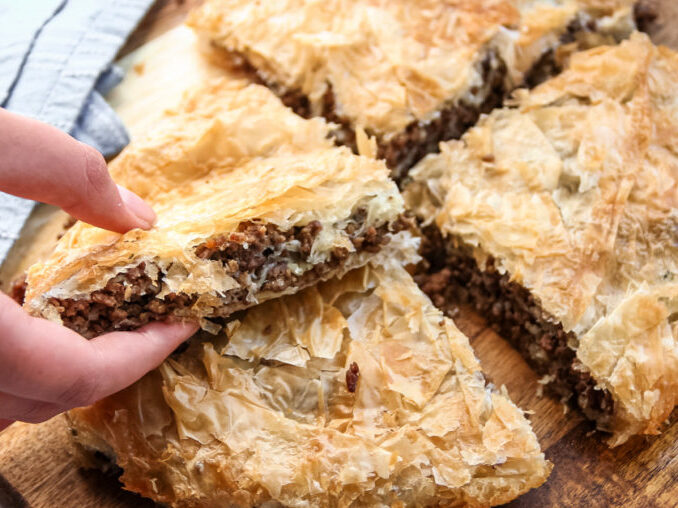
In the heart of Sarajevo, a culinary treasure awaits those willing to explore the rich tapestry of Bosnian gastronomy—the beloved börek. This flaky pastry, filled with an array of savory ingredients, serves as a delicious reminder of the region’s historical ties to the Ottoman Empire. With its roots tracing back to ancient times, börek has evolved into a symbol of local culture and culinary heritage.
History and Origins
The origins of börek are steeped in history, believed to date back to the Central Asian nomadic tribes long before the Turks migrated westward. As the Ottoman Empire expanded, so too did the popularity of this dish, finding its way into the kitchens of the Balkans. In Bosnia, börek became an emblematic dish, deeply ingrained in the culinary traditions of the region. The Ottomans introduced the thin, delicate pastry known as yufka, which is the foundation of börek. Over the centuries, this dish has adapted to local tastes and ingredients, leading to the diverse variations we see today.
In Sarajevo, börek has taken on a life of its own. The city's history, marked by its cultural pluralism and confluence of Eastern and Western influences, is reflected in how this dish is made and enjoyed. A pivotal moment in the history of Sarajevo was the Siege of Sarajevo (1992-1996), where the resilience of the local cuisine, including börek, offered a sense of normalcy and comfort amidst turmoil.
Art and Architecture
The charm of Sarajevo is not just in its food but also in its stunning architecture. The city is a melting pot of styles, from the Ottoman influences seen in the Gazi Husrev-beg Mosque to the Austro-Hungarian buildings that line the streets. This architectural diversity mirrors the ingredients and methods used in making börek, where layers of culture and history intertwine.
Artistic expression in Sarajevo is vibrant, with local artists often drawing inspiration from the everyday life and traditions of the city. The preparation of börek can be seen as an art form in itself, where the skillful layering of yufka and the meticulous choice of fillings reflect a deep cultural significance. Local artisans often showcase their creations in community markets, emphasizing the importance of preserving traditional cooking techniques.
Local Culture and Traditions
The preparation and consumption of börek is often accompanied by local customs and celebrations. In Bosnia, it is common to share börek during family gatherings and special occasions, symbolizing hospitality and community. The most notable celebration is Ramazan, where many families prepare large trays of börek to break their fast together.
During the summer months, Sarajevo hosts various festivals that celebrate its rich cultural heritage, including food festivals where börek takes center stage. Visitors can experience the joy of tasting different variations, each offering a unique twist on this beloved dish.
Gastronomy
Börek is just one facet of Bosnian gastronomy. Other local delicacies include sogan-dolma (onions stuffed with minced meat), čevapi (grilled minced meat), and sarma (cabbage rolls). The culinary scene in Sarajevo thrives on the use of fresh, locally-sourced ingredients, often enhanced by aromatic spices that reflect the region's diverse influences.
Pairing börek with a cup of strong Bosnian coffee or a glass of rakija (fruit brandy) elevates the experience, allowing visitors to fully immerse themselves in the local culinary landscape. Street vendors and small eateries, known as buregdžinicas, are dotted throughout the city, each claiming to serve the best börek, making it a delightful adventure for food lovers.
Lesser-Known Curiosities
What many tourists might miss is the rich history behind the different types of börek found in Sarajevo. The meat börek, often filled with minced beef or lamb, is commonly enjoyed, but the cheese börek holds a special place in the hearts of locals. In fact, there are unique variations that include seasonal vegetables, such as spinach and pumpkin, showcasing the creativity of Bosnian cooks.
One hidden gem is the annual Burek Festival, where local chefs compete for the title of the best börek maker. This event not only highlights the dish’s importance but also fosters a sense of community among residents.
Practical Visitor Information
The best time to visit Sarajevo is during the spring and fall when the weather is mild and conducive for exploring the city’s vibrant streets. Visitors should seek out local buregdžinicas to taste authentic börek, particularly in the Baščaršija district, the old bazaar where the city’s historical heart beats.
When planning your visit, consider participating in a cooking class to learn the intricacies of making börek yourself. This hands-on experience will not only deepen your appreciation for the dish but also connect you with local culinary traditions.
As you navigate the charming streets of Sarajevo, let the warmth of its people and the richness of its flavors guide you. For a personalized itinerary that captures the essence of this beautiful city, consider using the Secret World app to help plan your adventure.
