



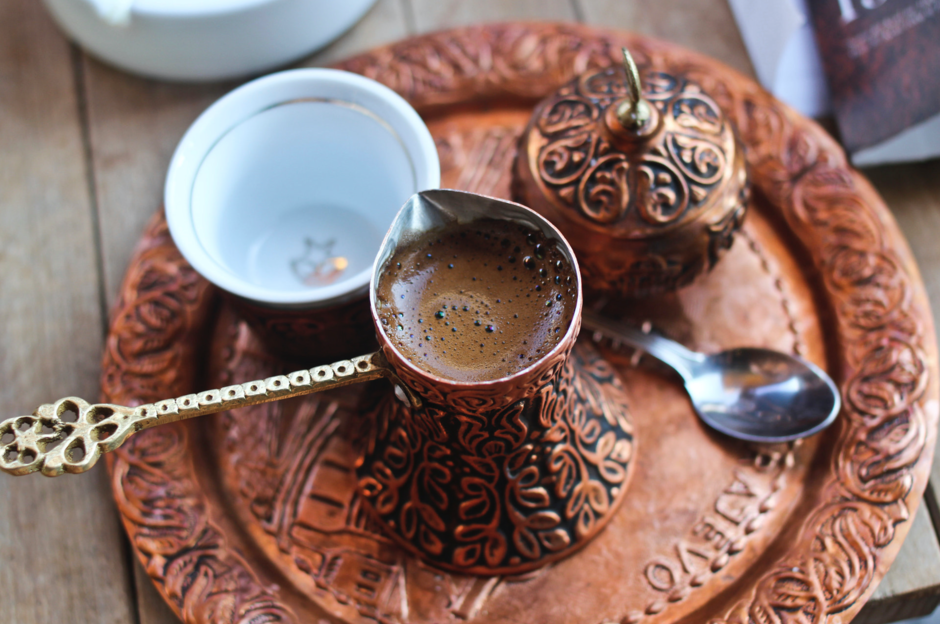
In the heart of Sarajevo, the ritual of Bosnian coffee transcends mere beverage consumption; it is a cultural cornerstone steeped in history and social significance. Bosnian coffee, or kafa, is not only a drink but a ritual that embodies the spirit of Bosnia and Herzegovina. The origins of this beloved beverage can be traced back to the Ottoman Empire, which introduced coffee culture to the Balkans in the 15th century. The coffee beans were often roasted and ground by hand, a practice that continues today in many households and cafes across the city. The traditional preparation involves brewing the coffee in a special pot called a džezva, where finely ground coffee is combined with water and sugar, then simmered to perfection. This method creates a rich, aromatic brew that is served in small cups called fildžan, typically accompanied by sugar cubes and lokum, a sweet Turkish delight.
The art of serving Bosnian coffee is a display of hospitality and patience. The coffee is poured from the džezva into the fildžan in a manner that preserves the frothy layer on top, known as kafa pjena. Unlike the quick espresso shots served in Italian bars, Bosnian coffee is savored slowly, often enjoyed over long conversations that can last for hours. This leisurely approach to coffee drinking reflects the relaxed lifestyle of the locals, who prioritize social connection and quality time over the fast-paced consumption often seen in Western cultures.
Sarajevo is not just a backdrop for this coffee culture; it is a living museum of architectural wonders and historical narratives. The city showcases a unique blend of Ottoman, Austro-Hungarian, and Yugoslav influences, with its iconic Baščaršija district serving as a prime example. The cobblestone streets are lined with traditional coffee houses, known as kafići, where the aroma of freshly brewed coffee wafts through the air. Notable structures such as the Gazi Husrev-beg Mosque, built in 1531, and the ornate Vijećnica (City Hall), constructed in the late 19th century, stand as testaments to the city’s diverse historical tapestry.
Local customs surrounding coffee consumption are equally rich. The act of serving coffee is often a ceremonial affair, where guests are treated to lavish displays of hospitality. It is customary to engage in meaningful conversation while sipping coffee, a practice that fosters community and strengthens bonds. Festivals such as the Sarajevo Coffee Festival, held annually, celebrate this tradition, bringing together coffee enthusiasts and artisans from around the region to share their passion and skills.
Gastronomy in Sarajevo is tightly interwoven with its coffee culture. In addition to kafa, visitors will discover a variety of local delicacies that complement the experience. Baklava, a sweet pastry made of layers of filo dough filled with nuts and honey, and tufahija, a sweetened baked apple filled with walnuts, are popular treats that pair beautifully with coffee. The vibrant street food scene also offers čevapi, grilled minced meat sausages served with somun (flatbread), perfect for a hearty meal before indulging in dessert and coffee.
Among the lesser-known curiosities of Bosnian coffee is the significance of the sugar lumps served alongside. Traditionally, these are not simply for sweetness; they symbolize the hospitality of the host. Offering sugar indicates a warm welcome, and the amount of sugar can vary based on the guest’s preference, showcasing the host’s attentiveness. Additionally, the way one drinks coffee in Bosnia can carry social implications—sipping it too quickly may imply impatience, while lingering over the cup suggests contentment and appreciation for the moment.
For those looking to experience Bosnian coffee and the culture surrounding it, the best time to visit Sarajevo is during the spring and early autumn months, when the weather is mild, and outdoor cafes come alive. When you explore this vibrant city, seek out traditional kafići like Cafe de Alma or 4 Sobe Gospođe Safije, where you can immerse yourself in the local coffee culture. Don't hesitate to engage with baristas and locals about the history and nuances of Bosnian coffee; they often have captivating stories to share.
In conclusion, Bosnian coffee is not merely a drink but a cultural phenomenon that encapsulates the essence of Sarajevo. It invites you to slow down, connect with others, and appreciate the rich history and traditions that shape this remarkable city. For a personalized experience that helps you navigate the best of Sarajevo, consider using the Secret World app to craft your unique itinerary.
