



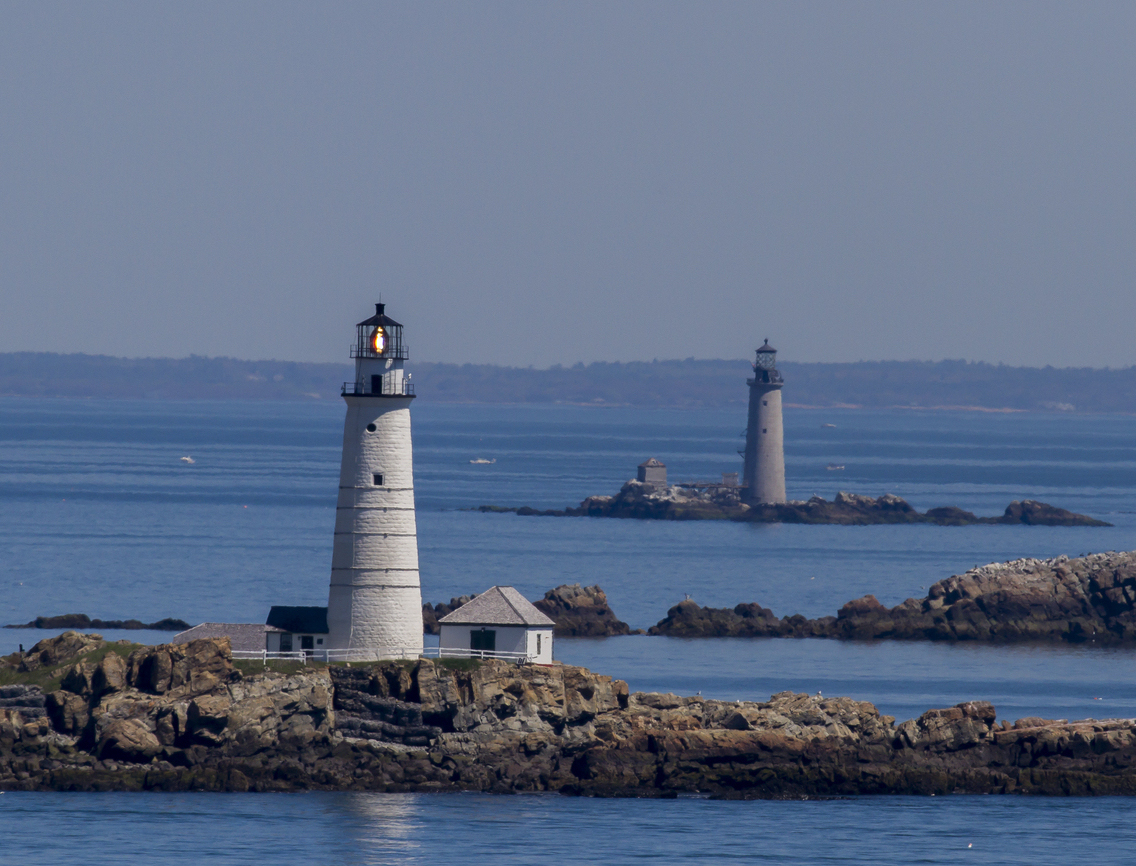
The Boston Harbor Islands State and National Park is a stunning mosaic of natural beauty and rich history, nestled in the heart of Massachusetts Bay. This collection of 34 islands offers a unique escape from the bustling city life of Boston while providing an intriguing glimpse into both the past and present of the region.
### History and Origins
The history of the Boston Harbor Islands is as layered as the tides that surround them. Indigenous tribes such as the Massachusett and Naumkeag people inhabited these lands long before European settlers arrived. Their presence is still evident, with numerous archaeological sites found on the islands.
In the early 1600s, the islands began to attract European interest. Governor John Winthrop and his fellow settlers recognized the strategic importance of the islands, which would later serve military purposes. The most notable historical site is Fort Warren, constructed between 1833 and 1861. This fort played a crucial role during the American Civil War, housing Union troops and serving as a prison for Confederate soldiers.
The islands also witnessed significant maritime history, especially with the establishment of the Boston Lighthouse in 1716, America’s oldest light station. It guided sailors safely through the harbor for over three centuries, a testament to the islands' longstanding relationship with the sea.
### Art and Architecture
The architectural styles found on the Boston Harbor Islands reflect their varied purposes throughout history. Fort Warren, with its imposing granite walls and star-shaped layout, showcases 19th-century military architecture designed for defense. Visitors can explore its tunnels and ramparts, where echoes of the past whisper stories of valor and sacrifice.
Art is also woven into the fabric of the islands. The Cultural Landscape Project, initiated in the early 2000s, celebrates the islands’ history through interpretative signage and art installations that highlight their natural beauty. One such installation is the “Sea Change” project on Spectacle Island, which engages visitors with the shifting landscapes and environmental changes over time.
### Local Culture and Traditions
Local culture thrives on the islands, intertwining with the maritime heritage of Boston. Annual events such as the Boston Harbor Island Alliance’s "Rising Tide Festival" celebrate the unique ecosystems and cultural history of the islands. This festival features local artists, musicians, and food vendors, transforming the islands into a vibrant community hub.
Fishing and boating remain integral to island life. Many locals participate in traditional activities such as sea kayaking and oyster farming, which highlight the region's deep connection to the waters. The islands’ communities often come together to preserve these traditions, fostering a strong sense of identity among residents and visitors alike.
### Gastronomy
The culinary scene on the islands reflects the rich maritime resources of the region. Local dishes often feature seafood, with fresh catch available at various eateries. Lobster rolls and clam chowder are must-tries for any visitor, perfectly paired with views of the sparkling harbor.
In addition to seafood, the islands celebrate their agricultural roots with offerings of locally grown produce at seasonal farmers’ markets. Spectacle Island is known for its vegetable garden, which provides fresh ingredients for the island’s café, where visitors can enjoy meals made from farm-to-table concepts.
### Lesser-Known Curiosities
While many tourists flock to the well-known sites, a few hidden gems are often overlooked. For instance, Grape Island is a serene spot, perfect for hiking and picnicking, yet frequently uncrowded. The island is named for the wild grapes that grow in abundance, creating a picturesque landscape that feels worlds away from the city.
Another fascinating fact is that the Boston Harbor Islands once served as a quarantine station for immigrants arriving in the United States. The Long Island Shelter, now abandoned, was a temporary home for those seeking a new life, adding a layer of poignant history to the islands.
### Practical Visitor Information
The best time to visit the Boston Harbor Islands is during the warmer months, typically from late spring to early fall. This period offers the most pleasant weather for outdoor activities like hiking, picnicking, and birdwatching. Ferries run regularly from Boston and Quincy, making access convenient.
When visiting, be sure to pack essentials like sunscreen, water, and snacks, as some islands offer limited facilities. Look for interpretive programs that provide deeper insights into the islands’ history and ecology, enhancing your experience.
For the ultimate exploration, consider embarking on a guided tour to discover the islands' hidden spots and stories, ensuring you don’t miss any of their captivating secrets.
With its rich tapestry of history, culture, and nature, the Boston Harbor Islands are a treasure waiting to be explored. To personalize your adventure, consider using the Secret World app to plan your itinerary in Boston.
