
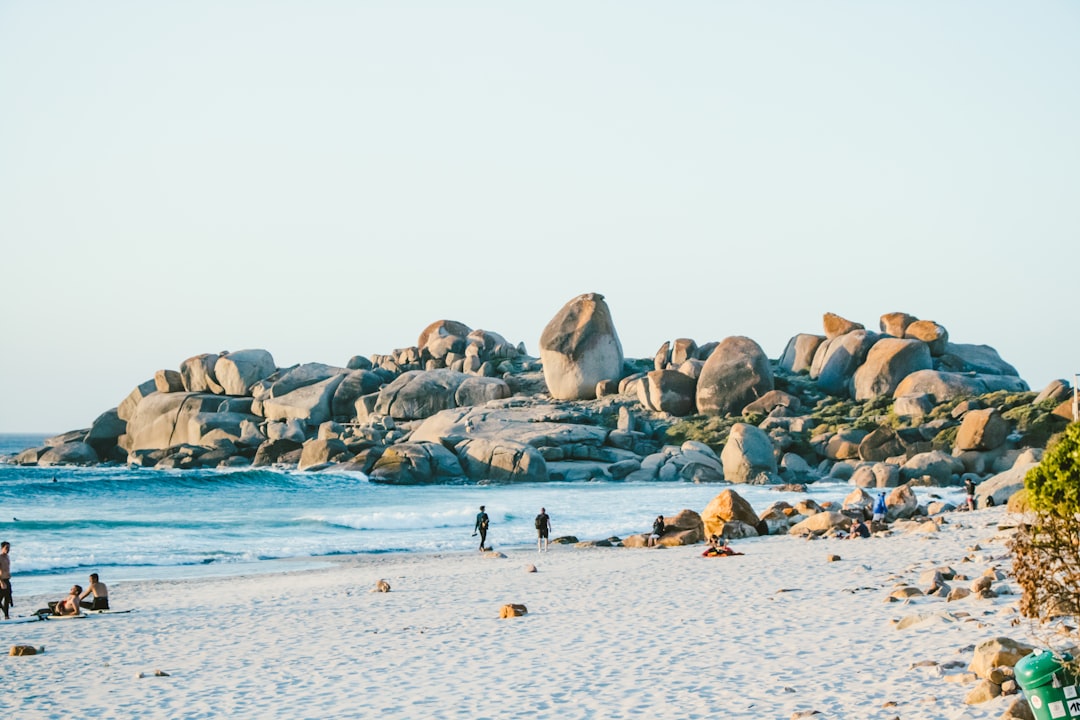

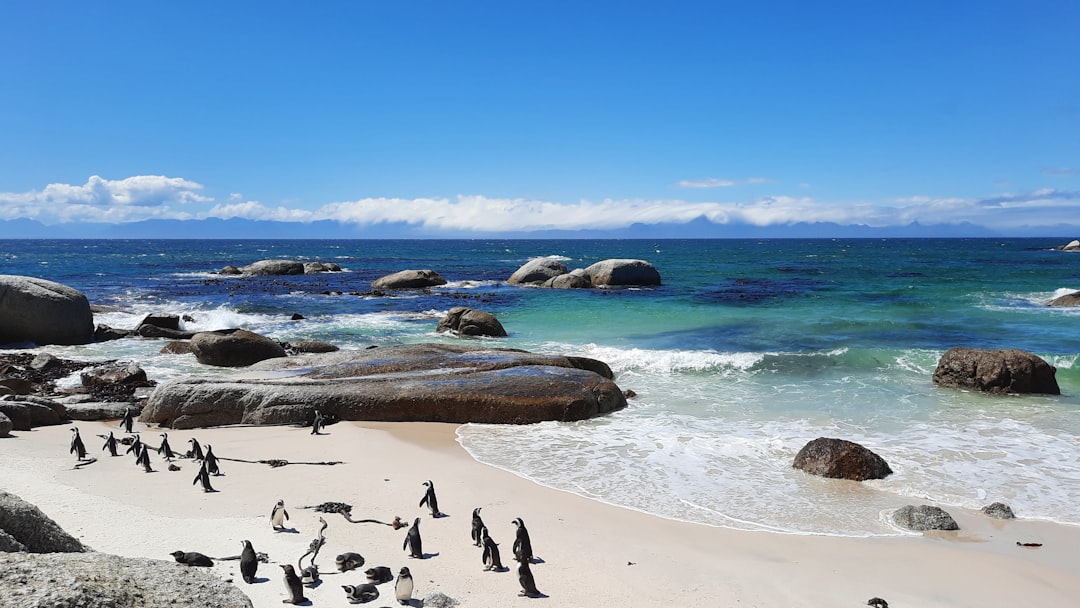
A penguin stares at you from less than a meter away, indifferent to your presence, while it arranges a twig in the nest dug among the roots of a bush. We are at Boulders Beach, a small sheltered bay in Simon’s Town, about 40 kilometers south of Cape Town, where one of the few colonies of African penguins accessible by land has settled permanently among wind and ocean-smoothed granite boulders.
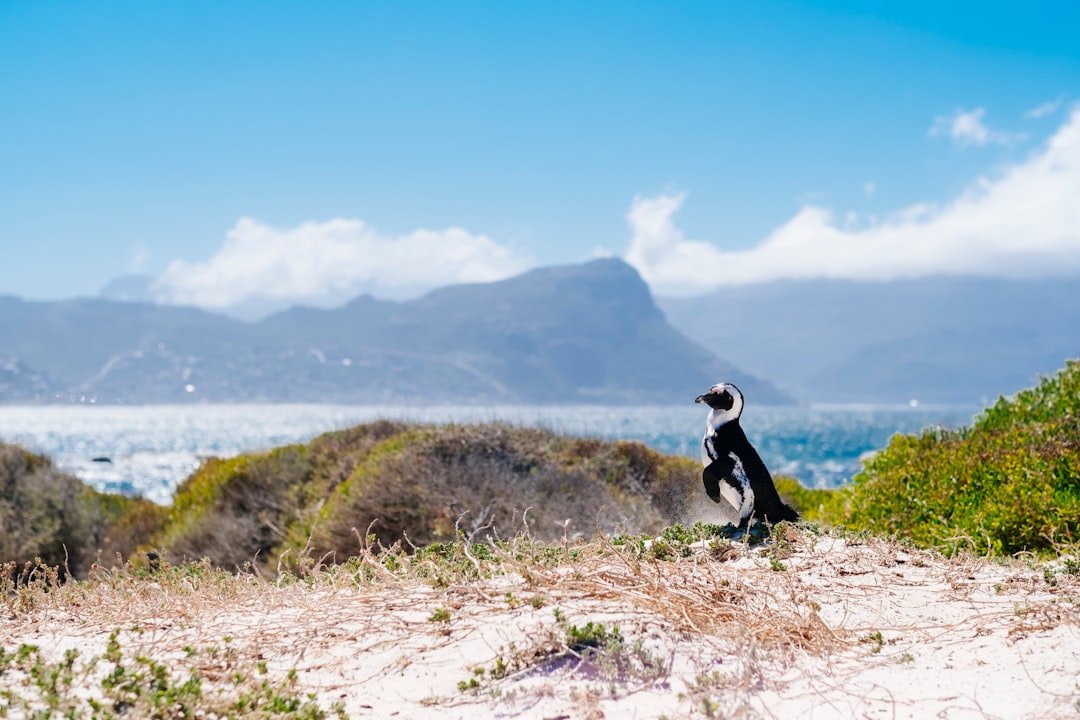
The colony consists of African penguins (Spheniscus demersus), a species classified as endangered by the IUCN. The first specimens arrived spontaneously at Boulders in 1982, and since then the population has grown to several thousand individuals. The beach is part of the Table Mountain National Park, which provides legal protection to the habitat and the animals that inhabit it.
A colony born by chance, protected by necessity
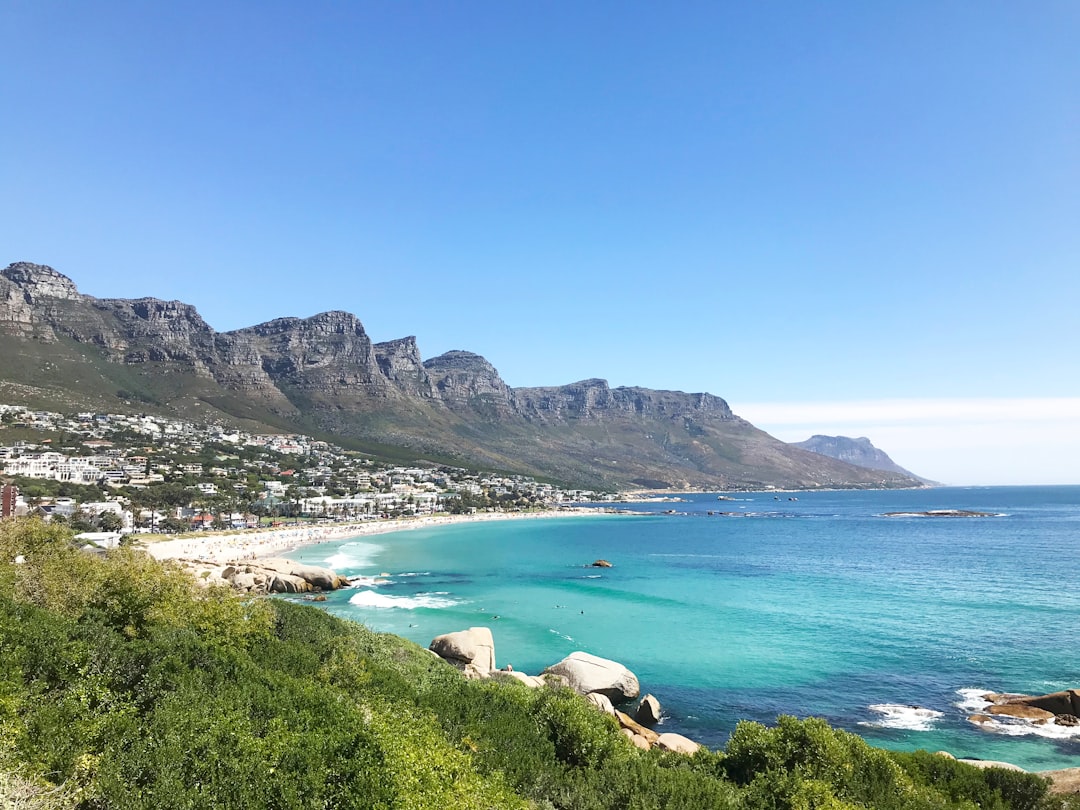
Before the arrival of the penguins, Boulders was simply a beach frequented by local residents for swimming. The spontaneous settlement of a couple in 1982 has over time become one of the most cited examples of wildlife adaptation to a semi-urban environment. Today, the information panels at the entrance of the reserve explain the biology of the species: African penguins are the only penguins that nest on the African continent, and they are distinguished by the black horseshoe-shaped stripe on their chest and the characteristic pink glasses around their eyes.
The management of the site is entrusted to SANParks (South African National Parks), which has built a series of elevated wooden walkways to allow visitors to observe the nests without disturbing the animals. In some places, however, the penguins nest directly under the boards of the walkways or at the edges of the path, making close encounters inevitable.
The biodiversity of the bay: not just penguins
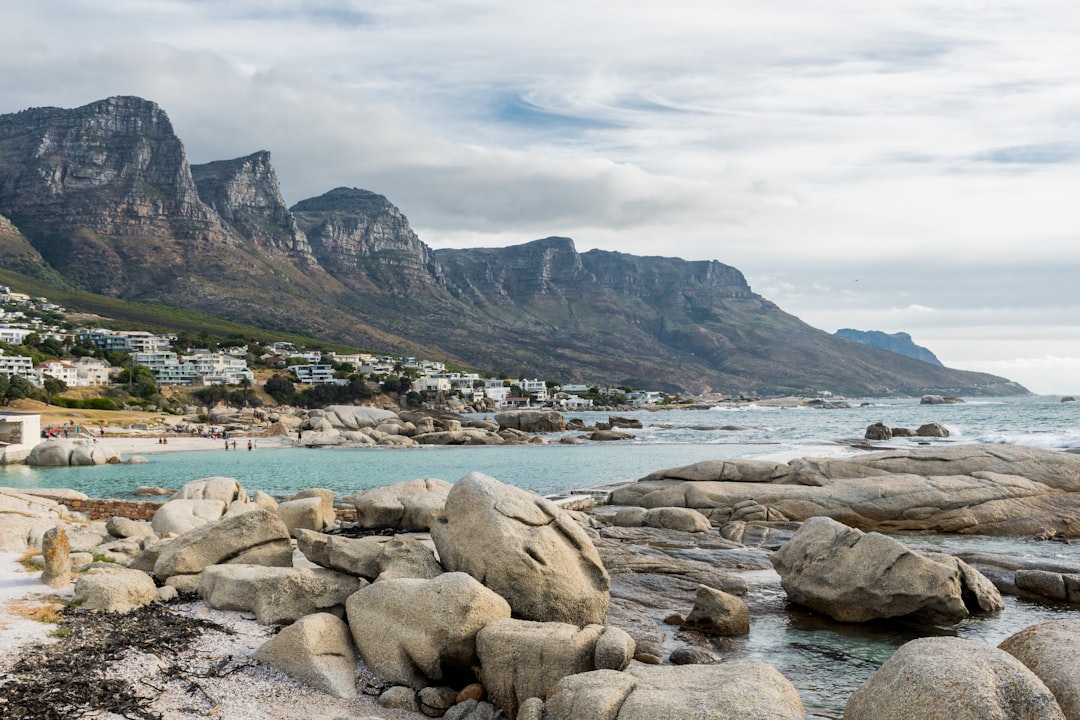
Boulders Beach is not just penguins. The waters of False Bay, which the bay overlooks, are rich in marine life: on clear days, it is possible to spot Cape fur seals on the more distant rocks, and the presence of fish such as kob and snoek regularly attracts seabirds like the African penguin and kelp gulls. The surrounding vegetation is typical of fynbos, the endemic biome of the Cape, with low plants and drought-resistant shrubs that provide shelter for nests.
During the breeding season, between March and May, the beach comes alive in a special way: the males vocalize with a braying sound similar to that of a donkey — a characteristic that has earned the species the English nickname of jackass penguin — while the pairs take turns incubating the eggs. Observing this behavior up close, with the sound of the sea in the background and the salty scent of the Atlantic Ocean, is a sensory experience that is hard to replicate elsewhere.
How to visit Boulders Beach: practical information
Entry to the reserve is paid: the ticket for foreign visitors is around 220-250 South African rand (about 11-13 euros at the current exchange rate), while South African citizens pay a reduced fee. The gates are open every day, with hours varying slightly depending on the season, but generally from 8:00 AM to 5:00 PM in winter and until 7:00 PM in summer.
The best time to visit is early morning, when the light is softer for photographs and the crowd is still limited. In high season (December-January), the site can become very crowded in late morning. To reach Boulders Beach from Cape Town, the simplest solution is the train on the Simon's Town line that departs from Cape Town station and arrives in Simon's Town in about an hour; from there, the beach is reachable on foot in about 15 minutes. Alternatively, you can drive via the M4 along the Cape Peninsula.
Respect for Wildlife: What to Do and What to Avoid
SANParks reminds visitors not to touch the penguins, even when they approach spontaneously. Despite their apparent confidence, these animals can bite hard, and the stress from human contact can compromise the care of the young. It is also prohibited to bring food into the nesting area and to leave waste of any kind.
The visit typically takes 1-2 hours to walk all the walkways at a leisurely pace. Those who also want to swim can use the adjacent public beach, separated from the protected area, where penguins move freely among bathers. It is one of the few beaches in the world where swimming alongside wild penguins is a real possibility, not a tourist promise.


