
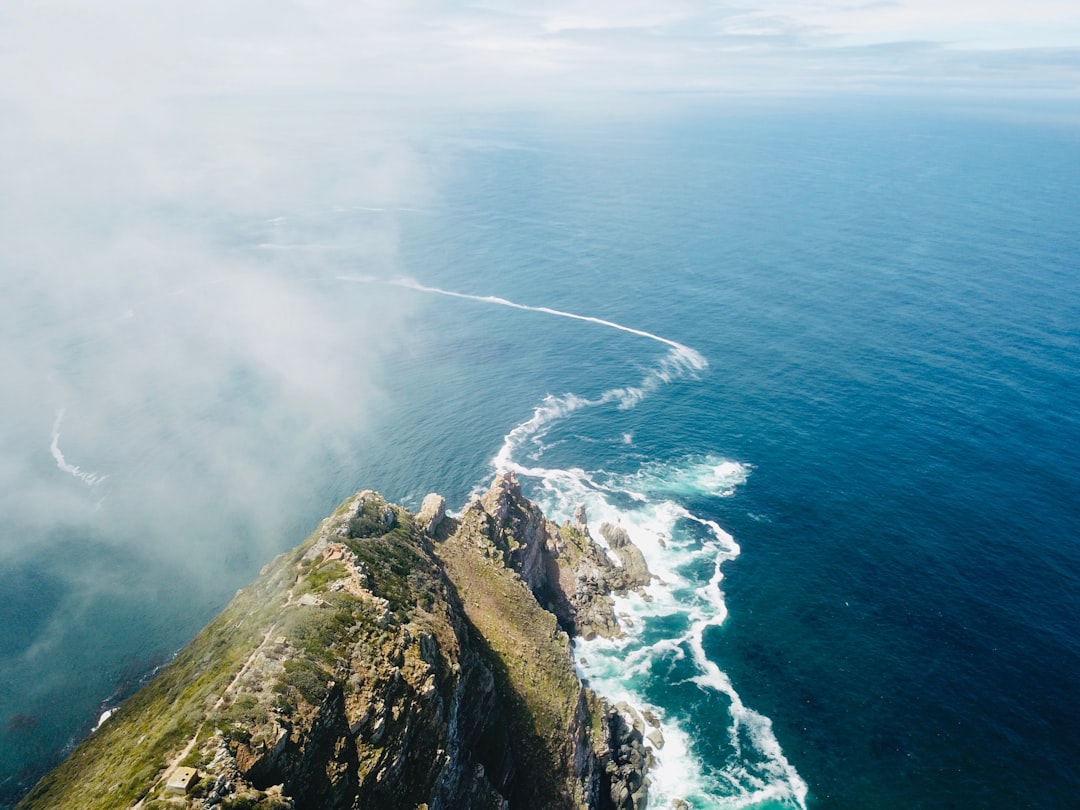

The wind blows strong and steady as one approaches the tip of Cape Point, the southwestern tip of Africa where the waters of the Atlantic and Indian Oceans meet in a tumultuous embrace. The red sandstone cliffs plunge over 200 meters into the sea, and from the main parking lot, the historic lighthouse perched on the highest ridge, about 249 meters above sea level, can already be seen. It is a view that is not easily forgotten.
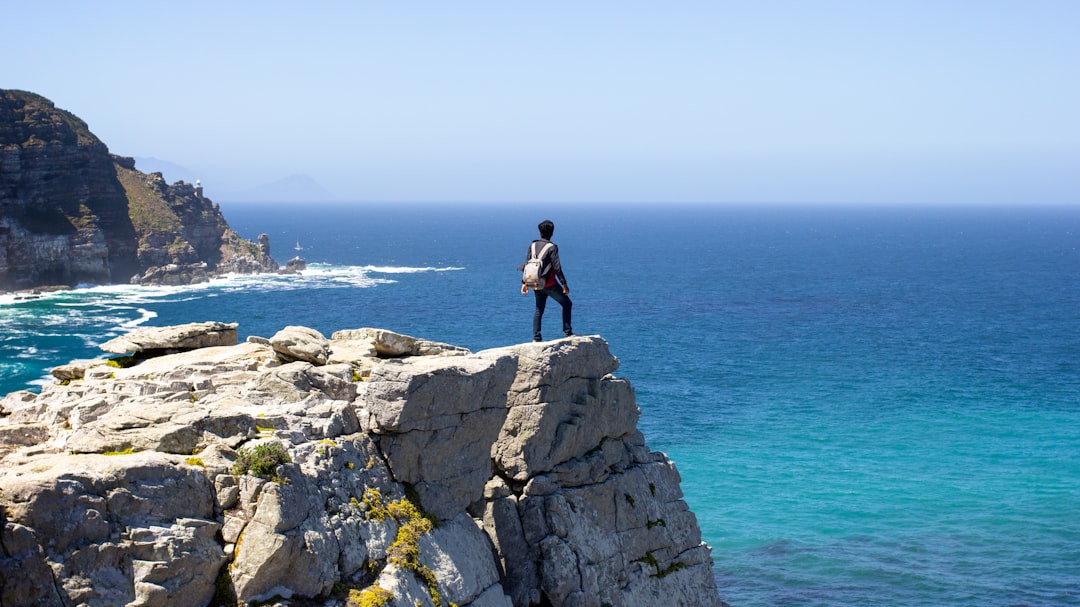
Cape Point is part of the Table Mountain National Park, the national park that protects the entire Cape Peninsula. The area is accessible year-round, but the weather conditions change radically throughout the day and seasons: the sky can shift from a blinding cobalt blue to a blanket of gray clouds in a matter of minutes, making each visit a different experience and, in some ways, unpredictable.
The lighthouse and the funicular: climbing to the top
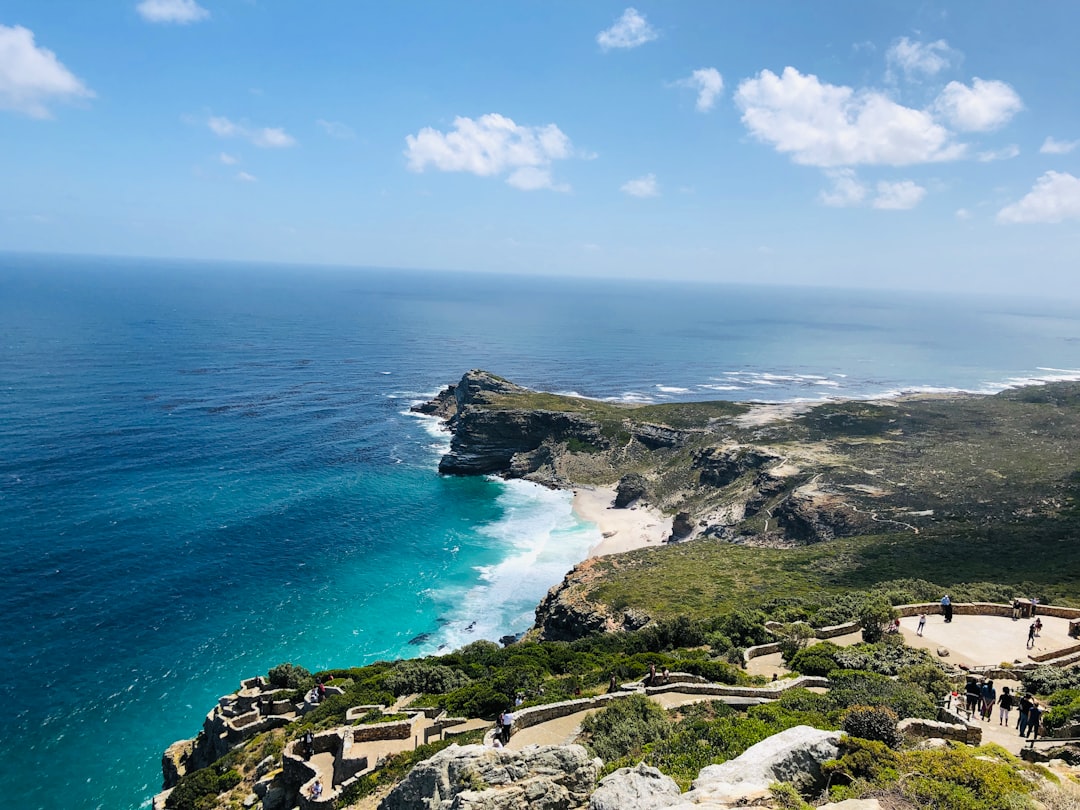
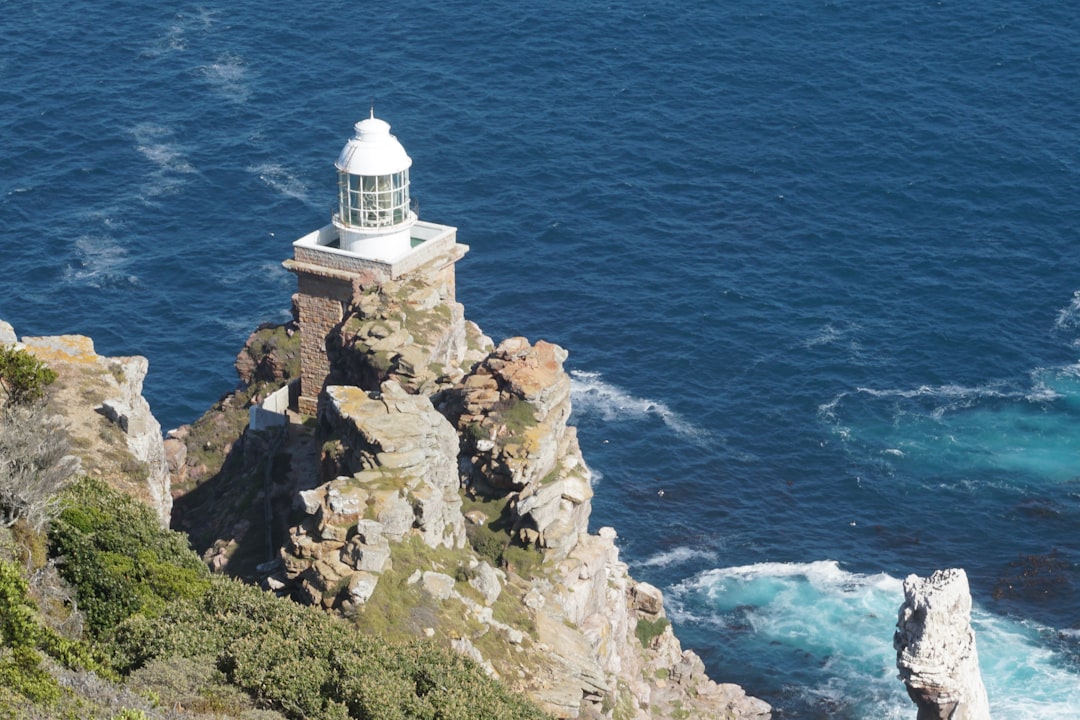
The oldest lighthouse at Cape Point was built in 1859, but its location proved problematic: low clouds often made it invisible to passing ships. For this reason, in 1919, a second lighthouse was built lower down, about 87 meters above sea level, which is still operational today. The old nineteenth-century lighthouse remains open to visitors and represents one of the most extraordinary viewpoints in the entire peninsula.
To reach the top where the old lighthouse is located, visitors can choose between a walk along well-marked paths or use the Flying Dutchman Funicular, the funicular that covers the elevation in just a few minutes. The funicular ticket costs approximately between 90 and 100 South African rand for a round trip, but prices may vary. From the highest point, the view simultaneously embraces the Atlantic coast to the west and that of the Indian Ocean to the east, with False Bay opening up in a wide and bright arc to the south.
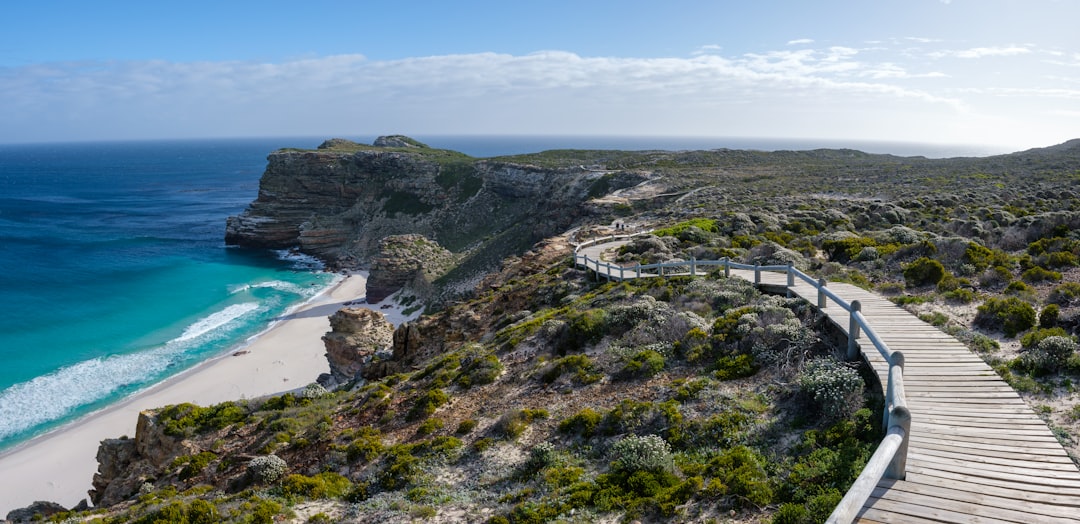
The colors of the landscape at different times of the day
The early morning light transforms Cape Point into something almost unreal. The sandstone cliffs, composed of layers of rock dating back hundreds of millions of years, take on hues ranging from burnt orange to brick red, while the underlying sea reflects the sky with shades of emerald green and deep blue. The water is notoriously cold on both sides, but the cold Benguela current on the Atlantic side often creates a morning mist that slowly dissipates as the hours pass.
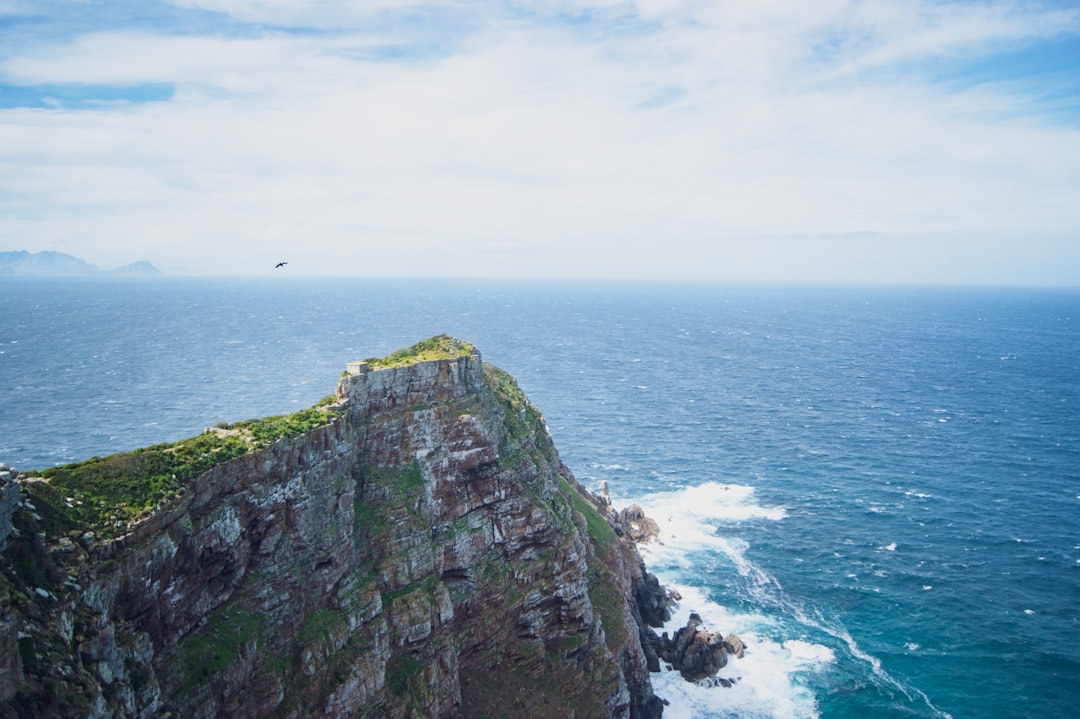
In the late afternoon, when the sun descends toward the Atlantic horizon, the colors intensify even further. The rocks appear almost incandescent, and the low grass of the fynbos — the endemic shrubland vegetation of the Cape, recognized as one of the six floral biomes on the planet — takes on golden reflections that contrast with the increasingly dark blue of the sea. Those who manage to stay until the last light of day are treated to a chromatic spectacle that is hard to match.
The wildlife along the trails
One of the aspects that surprises visitors the most is the constant presence of wild animals close to the tourist paths. Cape baboons (Papio ursinus) move in large groups along the roads and near the parking areas, and the park signs explicitly warn not to approach or feed them. These are wild animals and potentially aggressive, not attractions to be photographed up close.
Ostriches, on the other hand, are often seen grazing peacefully among the low vegetation, indifferent to human presence. Along the trails that descend towards the more isolated beaches, such as Dias Beach, which can be reached on foot from the top, it is also possible to spot bontebok antelopes and, with a bit of luck, sea turtles in the waters below during the summer months of the southern hemisphere.
Practical tips for the visit
The best time to visit Cape Point is early in the morning, preferably before nine. The tourist buses from Cape Town start arriving around ten, and the main parking lot fills up quickly. Arriving early means having the trails almost to yourself, extraordinary photographic light, and the advantage of seeing the animals still active after the night. The entrance ticket to Table Mountain National Park is mandatory and includes access to Cape Point: the price for foreign visitors is around 350-400 rand, but it is advisable to check the updated rates on the official park website before departing.
From Cape Town, Cape Point can be reached by taking the Chapman's Peak Drive or the coastal road through Simon's Town: both routes offer spectacular views and take about an hour of driving. There is no direct connection via efficient public transport, so the most practical option for those without a rental car is to join one of the many tours organized from the city. Bringing a windbreaker is essential in any season: the wind at Cape Point is almost always present and can be very intense at altitude.


