
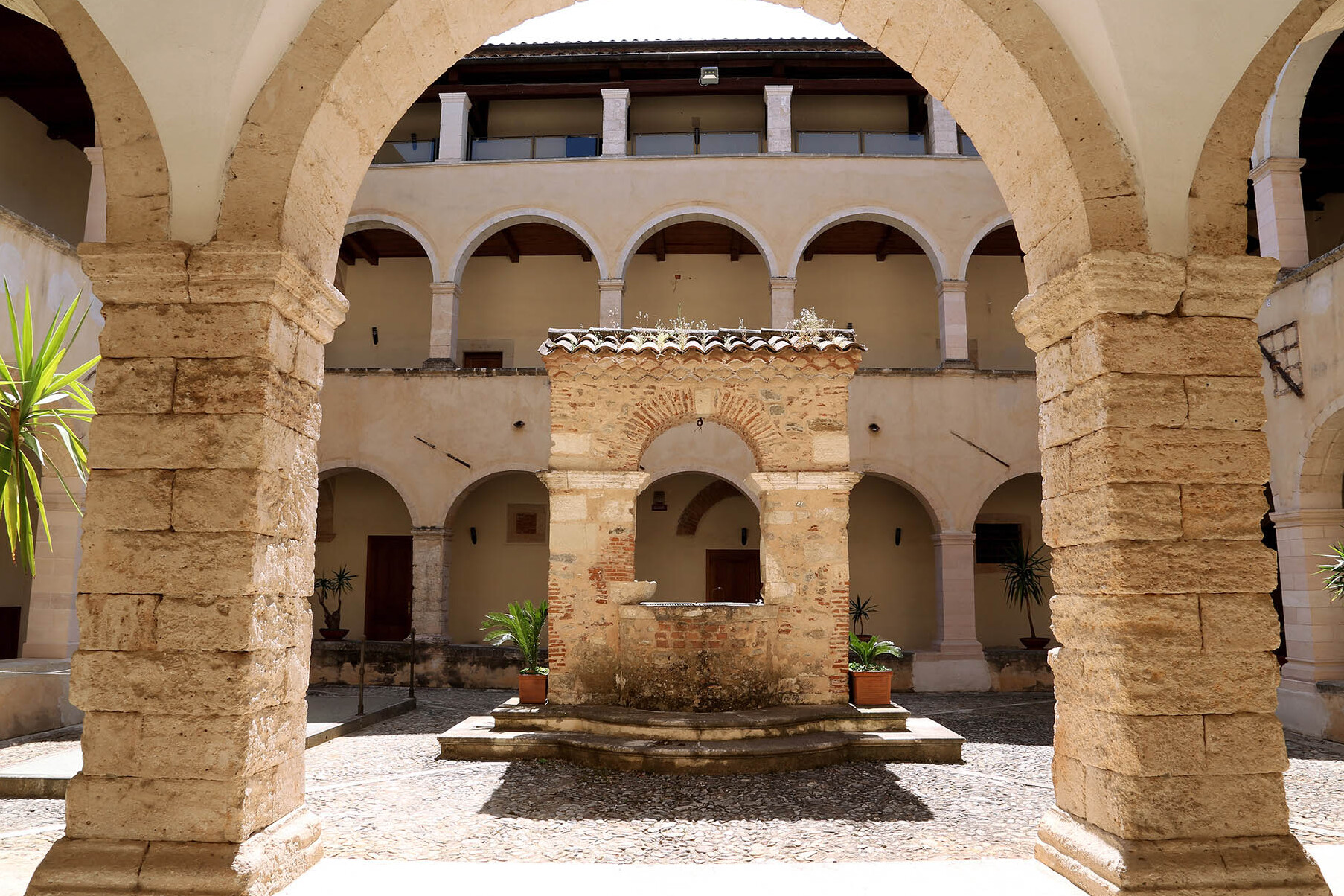

Nestled in the heart of Cosenza, Italy, the Brettii and Enotri Museum serves as a compelling gateway to the region's rich history and cultural heritage. This museum is not just an exhibition space; it is a vibrant narrative that brings ancient civilizations back to life, inviting visitors to explore the layers of time that have shaped this area.
History and Origins
The museum's roots can be traced back to the ancient Brettii and Enotri peoples, who inhabited the region long before the rise of the Roman Empire. The Enotrians, believed to be among the earliest settlers in Southern Italy, left behind a wealth of artifacts that tell stories of their daily lives, rituals, and interactions with neighboring civilizations. The museum showcases pivotal moments in local history, from the Palaeolithic era, evidenced by the remains found in the Caves of Cirella, to the more structured societies of the Greek and Roman epochs.

One of the most significant periods highlighted in the museum is the establishment of the Brettii Confederation around 365 BC. This coalition of tribes engaged in fierce battles against the advancing Greek and Roman forces, ultimately leading to their historical significance in the region. The museum preserves a trove of artifacts that chronicle these events, including weaponry, ceremonial objects, and everyday items that reflect the life and struggles of the Brettii.
Art and Architecture
Architecturally, the Brettii and Enotri Museum is an impressive structure that blends modern design with classical elements, creating a harmonious space that enhances the visitor experience. The building itself is a work of art, with well-designed exhibition halls that showcase the artifacts in a meaningful context.
Among the most notable pieces on display are the bronze objects from the Oenotrian population, including intricately designed fibulae and a unique violin bow. Each item tells a story, revealing the artistic craftsmanship of ancient artisans. The museum also boasts a coin cabinet that features a stunning array of Greek, Brettie, Roman, and medieval coins, providing insight into the economic exchanges and cultural influences that flowed through this ancient territory.
Local Culture and Traditions
Cosenza is steeped in history and vibrant local culture, which is reflected in its customs and traditions. The Feast of Saint Francis in early October is a significant event, drawing people from across the region to celebrate with processions, music, and traditional foods. Another notable event is the Festival of the Cosenza Street Art, which showcases local and international artists, transforming the city into a canvas of creativity.
Local traditions emphasize the importance of community and family, with many customs passed down through generations. Visitors to the museum can gain a deeper understanding of these customs through various educational programs and guided tours that highlight the museum's connection to the wider cultural landscape of Cosenza.
Gastronomy
Cosenza's culinary scene is a reflection of its diverse history, with influences from the ancient Greeks, Romans, and indigenous cultures. Pasta con le sarde, a traditional dish that combines pasta with sardines, raisins, and pine nuts, is a must-try. The region is also known for its 'nduja, a spicy, spreadable salami that adds a kick to many dishes.
Local wines, particularly those from the Cirò and Gaglioppo grapes, perfectly complement the region's rich flavors. Visitors can explore local trattorias and enotecas to sample these culinary delights, often paired with the warm hospitality of the Cosenza people.
Lesser-Known Curiosities
While the museum showcases well-known artifacts, it also holds lesser-known treasures that captivate the imagination. For instance, one can find unique ceremonial items dedicated to female deities, reflecting the spiritual beliefs of ancient communities. Moreover, the museum's connection to the Complesso di S. Agostino, a former Bourbon prison, adds a layer of intrigue. Notably, this prison housed the Bandiera brothers, Attilio and Emilio, who were pivotal figures in the Italian unification movement before their execution in 1844.
Visitors may also be surprised to learn that the museum frequently hosts workshops and lectures aimed at fostering an appreciation for the region's archaeological heritage, making it a living part of the community.
Practical Visitor Information
The best time to visit the Brettii and Enotri Museum is during the spring and fall months when the weather is mild, making it perfect for exploring the surrounding areas of Cosenza. Entry is generally affordable, and guided tours are available in both Italian and English, providing an enriching experience for all visitors.
When visiting, be sure to allocate time to explore the museum's extensive collection, particularly the coin cabinet and the artifacts from the ancient sanctuary in Corigliano Calabro. These exhibits offer a fascinating glimpse into the region's past and the intricate connections between its various cultures.
To fully embrace the experience of Cosenza, consider downloading the Secret World app for a personalized AI itinerary that helps you discover the hidden gems of this enchanting city.


