
In the southern Italian city of Brindisi, time feels suspended in the 11th century, particularly at the Church of San Benedetto. Nestled away from the bustling tourist trails, this lesser-known gem embodies the essence of Norman art, a style that celebrates simplicity and functionality while still resonating with deep spiritual significance.
### History and Origins
The Church of San Benedetto was founded in the late 11th century, a period marked by the Norman conquest of southern Italy. The Normans, known for their military prowess and architectural innovations, established numerous churches, each reflecting their unique blend of cultures. San Benedetto was built during a time when Brindisi served as a crucial port city, linking the East and West. The church likely played a significant role in the religious and communal life of the city, especially as a place of worship for Benedictine monks.
Over the centuries, the church has witnessed numerous historical events, including the rise and fall of various empires, making it a silent witness to the tides of change in this vibrant region. Its survival into the modern era is a testament to its enduring significance within the community.
### Art and Architecture
As you approach the church, the Romanesque bell tower captures your eye with its three-light windows and small arches, an inviting prelude to the architectural marvel that lies within. The entrance is graced by a 11th-century gate adorned with intricate carvings that echo the craftsmanship of wicker, a nod to the region's artisanal traditions.
Inside, the church reveals a cross-vaulted ceiling supported by three naves and a series of small domes. The interplay of light and shadow enhances the beauty of the rich Romanesque capitals, each depicting a unique story. Noteworthy is the Madonna with Child, a striking sculpture carved from local red stone, embellished with delicate touches of gold and blue.
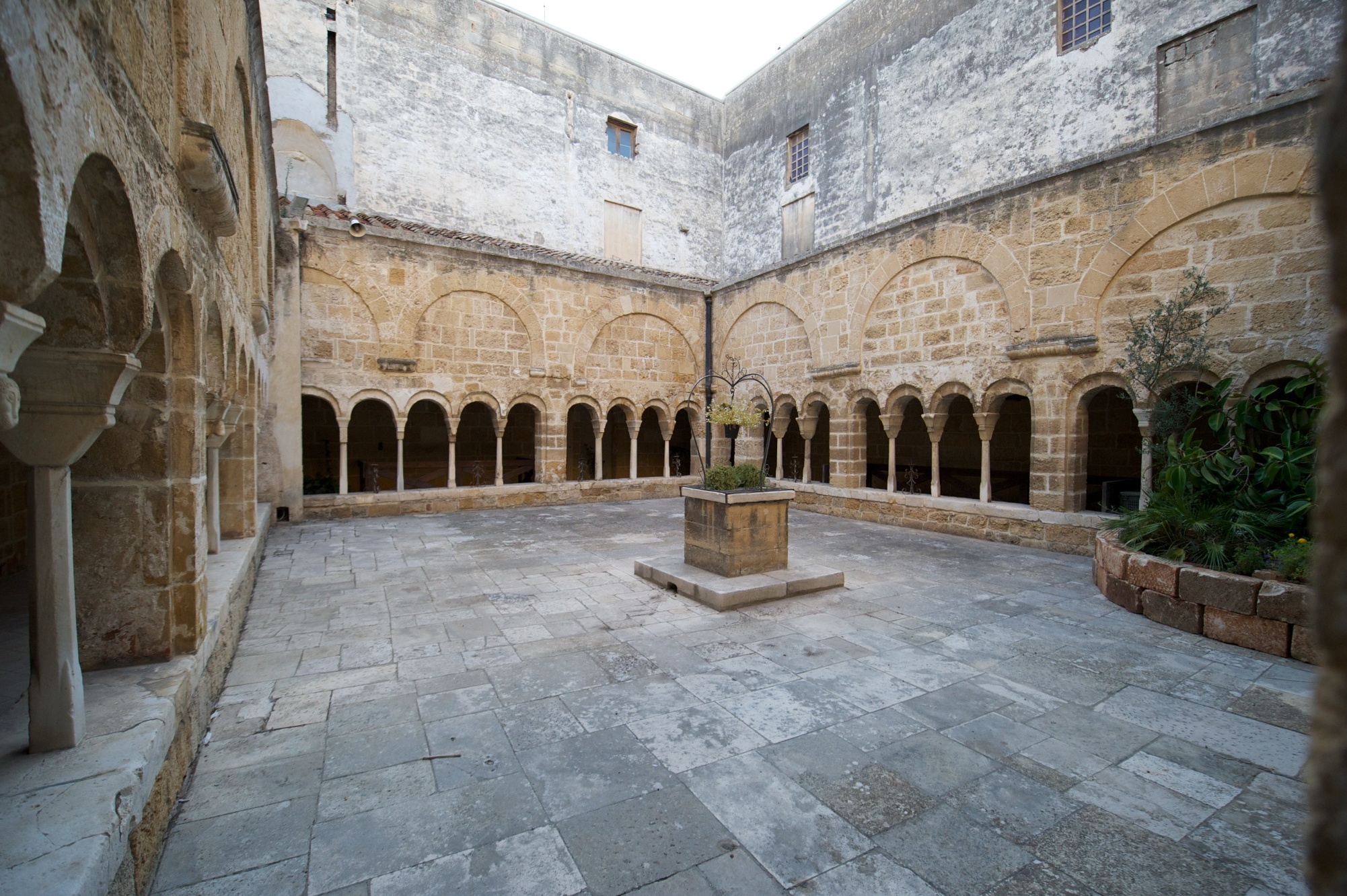
The real treasure, however, unfolds as you step through a small door from the sacristy into a serene cloister. Surrounded by a portico featuring Greek marble columns, this enchanting space invites contemplation. The capitals, intricately carved with figures of lions, rams, and floral motifs, further showcase the artistic prowess of the era. Among the remnants of frescoes, an Annunciation scene stands out, portraying the Virgin Mary engaged in an unusual act of sewing, an intriguing detail that diverges from typical iconography.
### Local Culture and Traditions
Brindisi’s culture is steeped in a rich tapestry of traditions that reflect its historical influences. The Feast of San Teodoro, celebrated in February, honors the patron saint of the city with a vibrant procession and communal feasting, highlighting the community spirit. Additionally, the Brindisi Wine Festival in the spring showcases the region’s renowned Primitivo and Negroamaro wines, drawing locals and visitors alike to partake in tastings and celebrations.
The locals take great pride in their heritage, which is often expressed through artisanal crafts and culinary traditions. You may see craftsmen at work, creating everything from pottery to intricate textiles, each piece telling a story of the region’s history.
### Gastronomy
No visit to Brindisi is complete without indulging in its culinary delights. The local cuisine is characterized by its use of fresh, seasonal ingredients. Orecchiette, the iconic ear-shaped pasta, is often served with a simple sauce of cime di rapa (turnip tops) and garlic, embodying the region's rustic charm.
Another local specialty is focaccia, a soft, flat bread topped with olive oil, rosemary, and sometimes tomatoes. Pair your meal with a glass of Primitivo wine for a true taste of the region. The vibrant flavors and traditional recipes reflect Brindisi's agricultural roots and the Mediterranean diet that locals cherish.
### Lesser-known Curiosities
One of the most intriguing aspects of the Church of San Benedetto is its enduring role as a place of worship. While many historical sites have been abandoned or repurposed, this church continues to host religious services, allowing visitors a glimpse into the living traditions of the community. Additionally, the blind arches on the church's exterior serve not only as decorative elements but also as a reflection of the architectural practices of the Norman period, demonstrating a blend of function and artistry.
The church's hidden corners often harbor fascinating details, such as the unique depiction of the Virgin Mary in the fresco, which invites contemplation about the roles and expectations of women in medieval society.
### Practical Visitor Information
The best time to visit Brindisi is during the spring and fall when the weather is mild and the crowds are thinner. Typically, late March to June and September to early November offer ideal conditions for exploring the city's rich history and vibrant culture.
When visiting the Church of San Benedetto, take time to wander through the cloister and absorb the peaceful atmosphere. A moment spent in quiet reflection beneath the intricate arches can be a highlight of your trip. Be sure to check local schedules for any services or events that may coincide with your visit, as this can provide a more immersive experience.
Brindisi is a treasure trove of history, art, and culture waiting to be explored. For a personalized itinerary that captures the essence of this enchanting city, consider using the Secret World app to plan your visit.
