
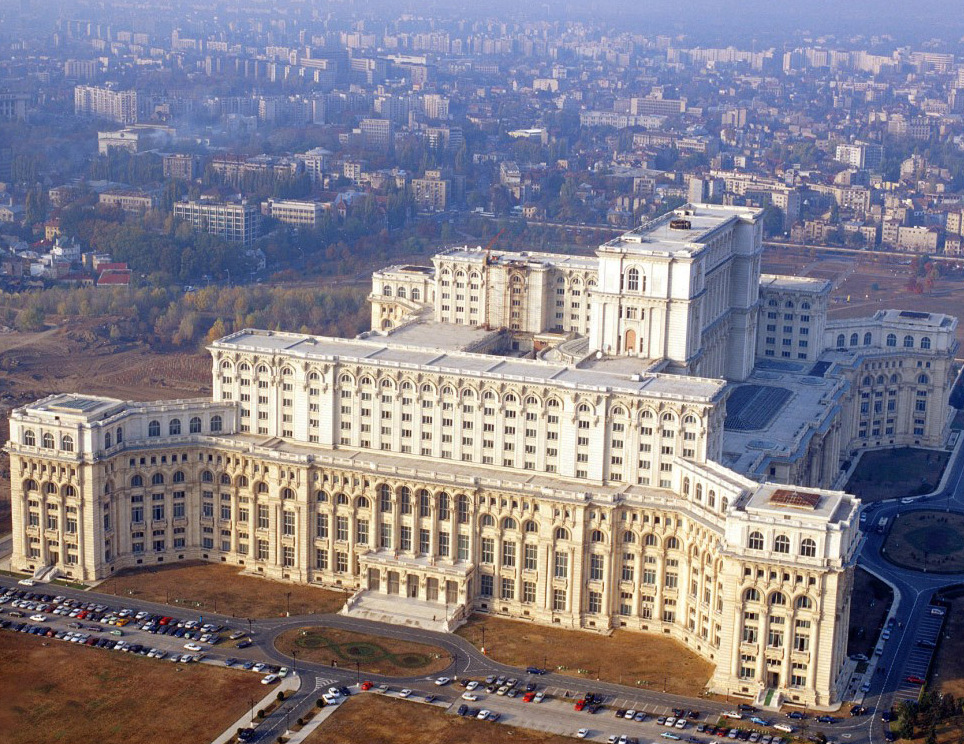

Nestled in the heart of Bucharest, the Palace of the Parliament stands as a monumental testament to both the tumultuous history of Romania and the complexities of its architectural ambitions. Known as the world’s largest, most expensive, and heaviest civilian administrative building, this neoclassical marvel is not just a structure; it embodies the turbulent spirit of a nation that endured decades under the oppressive regime of Nicolae Ceaușescu.
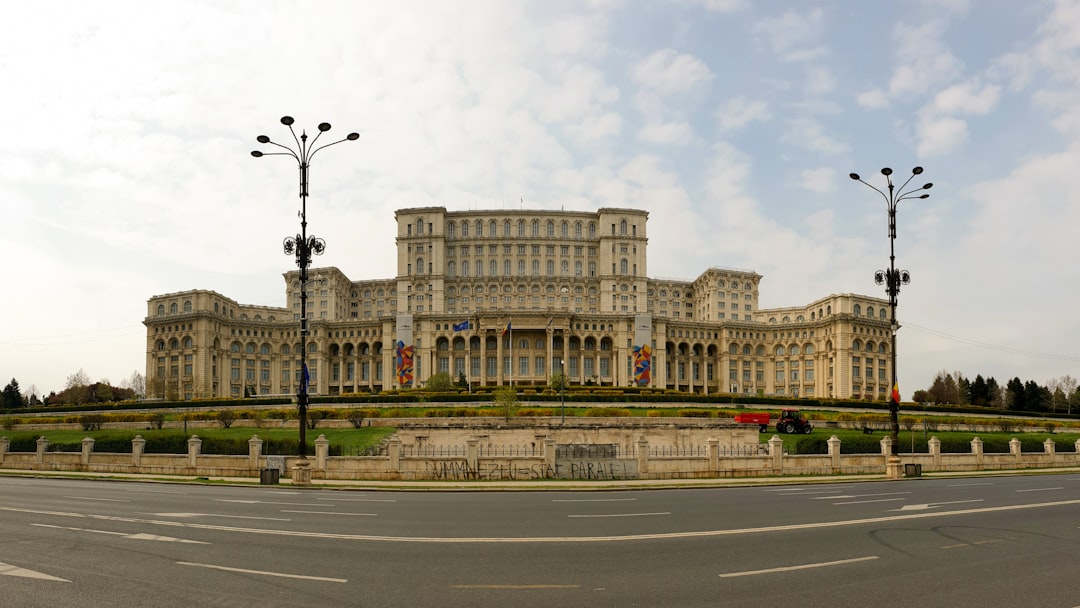
History and Origins The history of the Palace of the Parliament began in 1984, during the final years of Ceaușescu's rule. The project aimed to showcase Romania's power and grandeur but came at an enormous cost. To make way for the Palace, one-fifth of central Bucharest was razed, leading to the destruction of historical districts, over 30 churches and synagogues, and approximately 30,000 homes. This act of urban transformation was emblematic of Ceaușescu's vision for a new Romania, and its legacy remains controversial. The building was intended to house the nation's legislature and is a stark reminder of the authoritarian regime's ambitions.
Art and Architecture The Palace of the Parliament is designed in a neoclassical style, characterized by grand columns, vast halls, and intricate detailing. Its architecture showcases the influence of both traditional Romanian motifs and Stalinist aesthetics, creating an imposing yet beautiful structure. Inside, the building boasts around 3,100 rooms, many adorned with marble, crystal chandeliers, and lavish tapestries, making it a canvas of artistic expression.
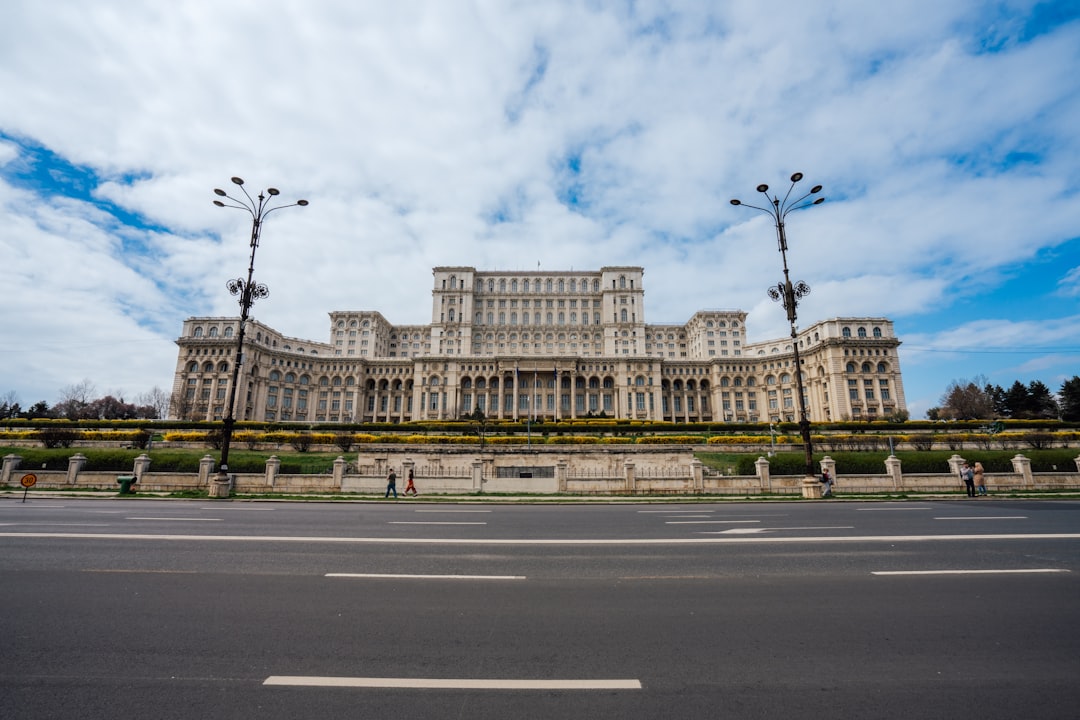
Among the notable artworks is the Crystal Room, which features stunning chandeliers made from thousands of hand-cut crystals, symbolizing the opulence of the era it was born from. The building's artistic significance extends beyond its walls, as it serves as a backdrop for various cultural events, including exhibitions and concerts, highlighting Romania's vibrant artistic community.
Local Culture and Traditions The Palace is not just an architectural feat; it is also a cultural landmark. Local customs and traditions often find expression within its walls, especially during significant national celebrations such as Romania's National Day on December 1st. The building serves as a venue for various cultural events that reflect Romania's evolving identity, blending its rich history with contemporary artistic expressions.
Gastronomy No visit to Bucharest would be complete without indulging in its rich culinary heritage. Nearby the Palace, you can savor local delicacies such as sarmale (cabbage rolls filled with seasoned meat) and mămăligă (a cornmeal dish similar to polenta). Pair these with a glass of tuica, a traditional Romanian plum brandy, to immerse yourself fully in the local flavors. The area is also home to a variety of restaurants offering everything from traditional Romanian cuisine to modern interpretations, ensuring a delightful gastronomic experience.
Lesser-known Curiosities Despite its grandeur, the Palace of the Parliament hides several lesser-known facts. For instance, the building is so immense that it contains a nuclear bunker designed for use in case of a catastrophe. Additionally, the construction involved the labor of around 20,000 workers daily, with many toiling under harsh conditions to complete this colossal project. The vast underground levels, which house conference rooms and ballrooms, remain largely unexplored by the public, adding an air of mystery to this already fascinating structure.
Practical Visitor Information The best time to visit the Palace of the Parliament is during the spring and early autumn months when the weather is mild and conducive to exploring the city. Guided tours are available, offering insights into the building's history, architecture, and the political dynamics of the era. It is advisable to book in advance, especially during peak tourist seasons. Don’t miss the opportunity to marvel at the grandiose Hall of the Lost Steps and the impressive Grand Reception Hall, where the opulence of the era is on full display.
As you explore this architectural wonder, take a moment to reflect on the stories embedded within its walls and the resilience of the Romanian people.
For a tailored exploration of Bucharest, consider using the Secret World app to craft a personalized itinerary.


