
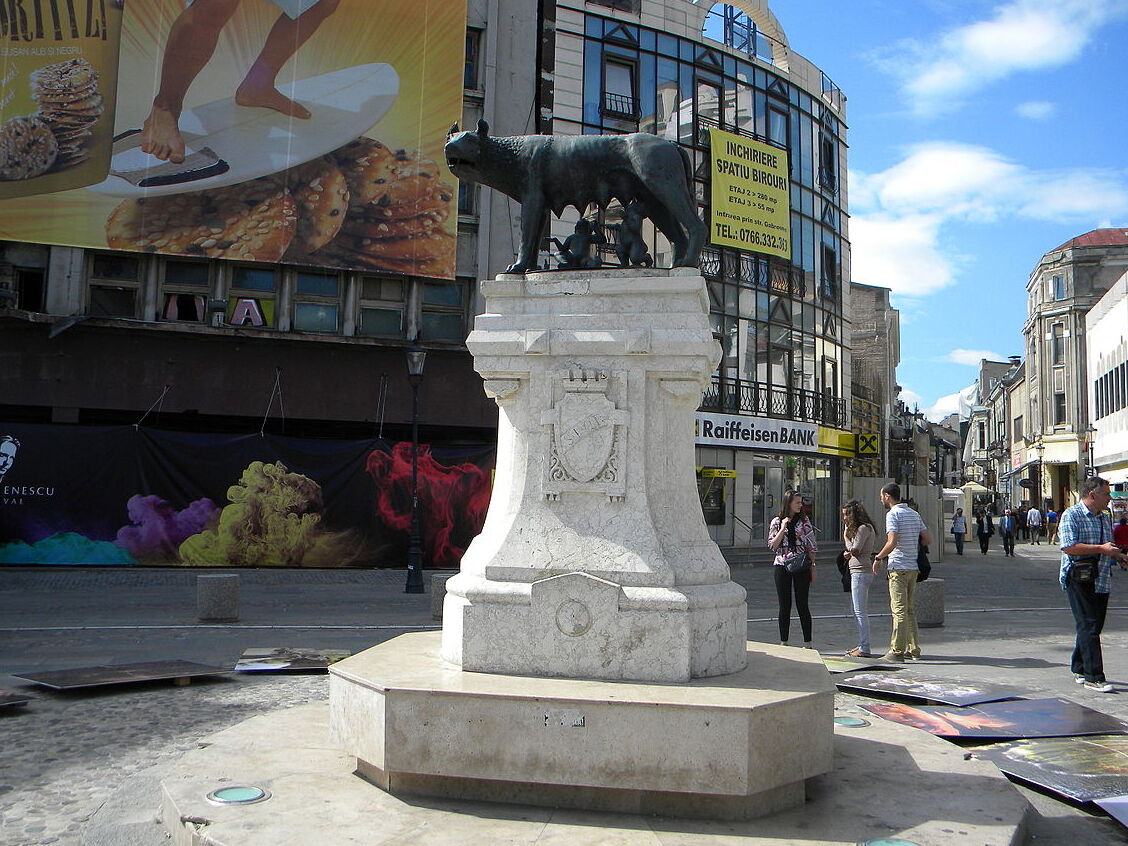

Nestled in the heart of Bucharest, the statue of the Roman She-wolf stands as a testament to the enduring historical ties between Romania and the ancient Roman Empire. This iconic symbol, known locally as Lupa Capitolina, captures a moment frozen in time—a she-wolf nursing the legendary twins Romulus and Remus, the founders of Rome. Its presence in Bucharest is not merely artistic; it is a narrative bridge, linking the Romanian capital to its Roman heritage.
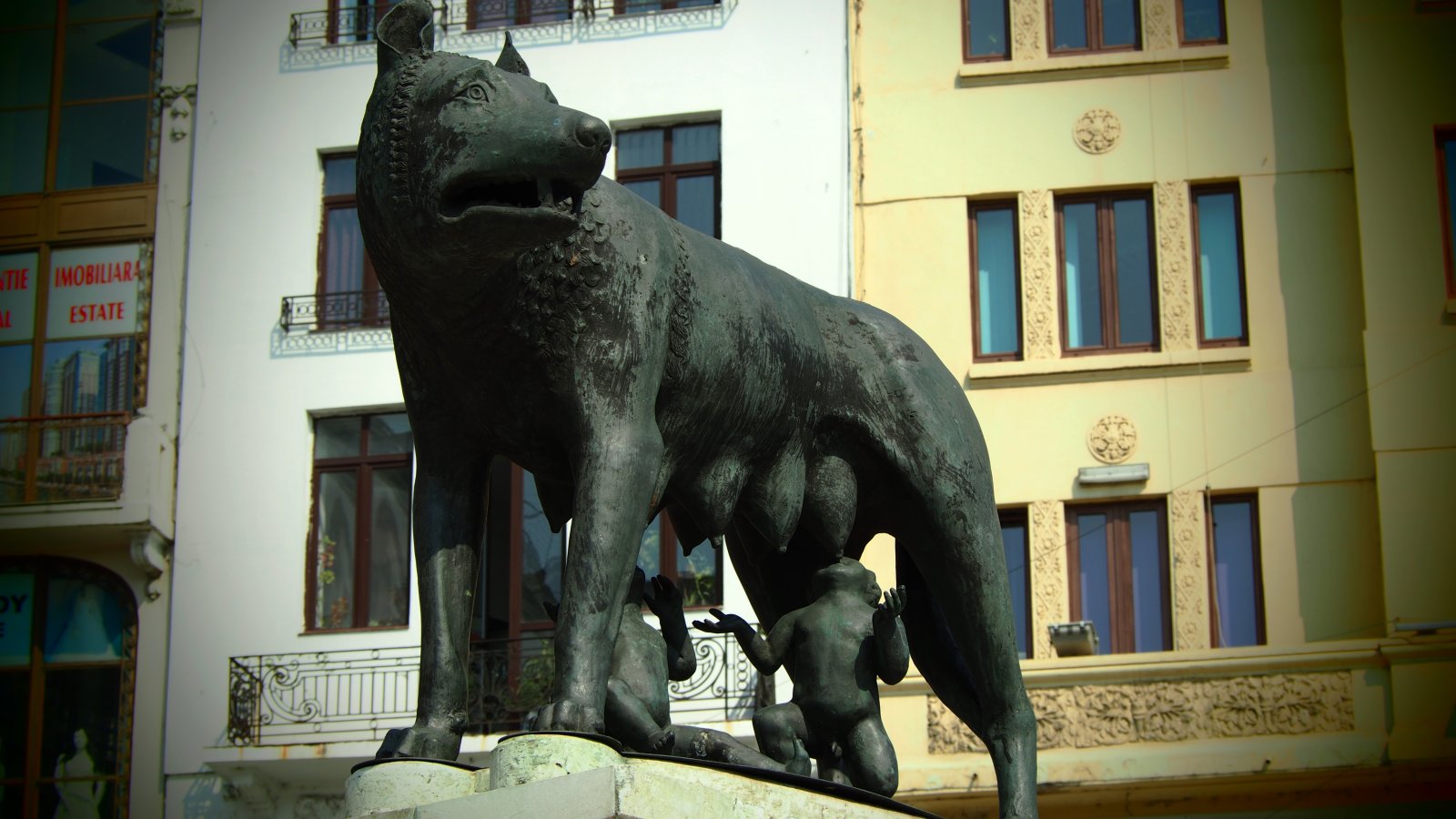
The origins of the Lupa Capitolina statue are steeped in legend and history. The twins, Romulus and Remus, are said to have been abandoned at birth and subsequently raised by a she-wolf, a story that underscores Rome's mythological beginnings. The first statues of the she-wolf appeared in Rome and were replicated across territories that experienced Roman influence. The Bucharest statue was a gift from the city of Rome in 1906, commemorating 1800 years since the Roman conquest of Dacia, present-day Romania. This gesture solidified Romania's cultural and historical connection to its Latin roots, a relationship further emphasized by the Romanian language's Latin origins.
Architecturally, the statue is a fine example of ancient Roman artistry. Cast in bronze, it embodies the classical style prevalent during ancient times, characterized by its naturalistic detail and symbolic storytelling. The she-wolf’s expressive form and the depiction of the twins showcase the Roman sculptors' ability to convey emotion and narrative through art. While it is a replica, its placement in Bucharest among the city's eclectic mix of architectural styles—from neoclassical to communist-era structures—creates a visual dialogue between past and present.
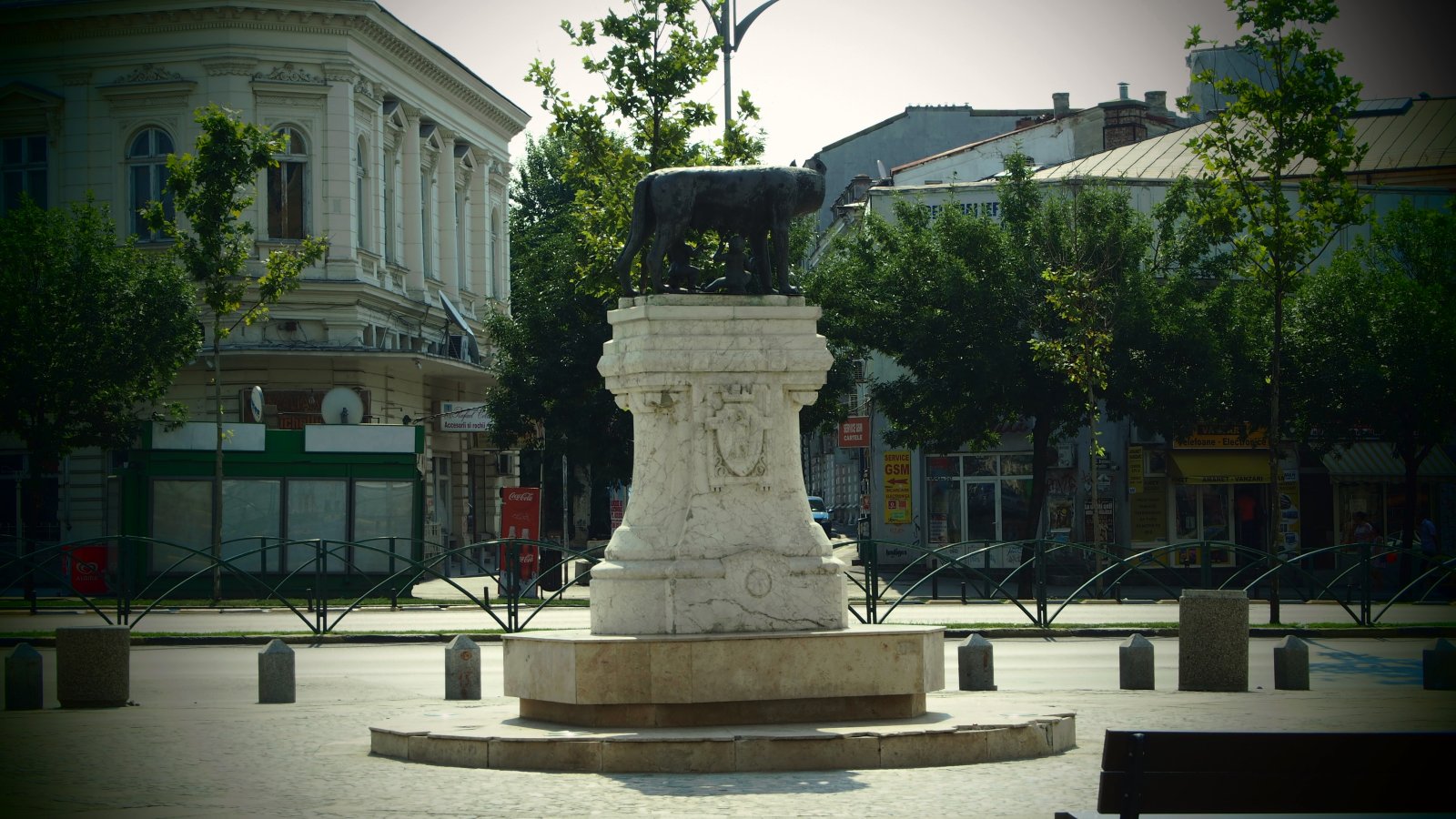
Bucharest is a city where history and modernity coexist, and its local culture reflects this blend. The she-wolf holds cultural significance, serving as a reminder of the city's Roman lineage. Locals celebrate their Latin heritage during festivals such as Zilele Bucureștiului (Bucharest Days), where the city's history and culture are showcased through parades, music, and public events. During these celebrations, the statue often becomes a focal point for locals and visitors alike, symbolizing unity and continuity.
No exploration of Bucharest is complete without indulging in its vibrant gastronomy, a tapestry of flavors influenced by its history. Traditional dishes like sarmale (cabbage rolls) and mici (grilled minced meat rolls) echo the hearty fare of ancient Roman soldiers, adapted over centuries to suit local tastes. Pair these with a glass of țuică, a potent plum brandy, which locals swear is the perfect accompaniment to a hearty meal. While these dishes are not directly related to the statue, they are part of the cultural milieu that the statue represents.
One of the lesser-known curiosities about the statue is its journey through Bucharest. Originally, it was erected in front of the National Museum of Romanian History, but it was moved several times due to urban development and political changes, finally finding a home at Piața Romană in 2010. Each relocation sparked debates about cultural heritage and urban planning, highlighting the statue's significance beyond its historical roots. Another intriguing detail is the statue's weather-worn patina, which some locals believe adds to its authenticity and charm, giving it a storied presence that new replicas lack.
For those planning a visit, the best time to experience Bucharest and its treasures like the Lupa Capitolina is during the spring and fall. The city's parks and gardens are in full bloom, providing a picturesque backdrop for sightseeing. When visiting, take time to appreciate the intricate details of the statue and consider its symbolic importance in the context of Romanian identity. Also, keep an eye out for the lively street scenes around Piața Romană, where the hustle and bustle of modern life provides a striking contrast to the ancient tale embodied by the statue.
In Bucharest, the statue of the Roman She-wolf is more than just a monument; it is a symbol of heritage, a piece of history that continues to resonate with locals and inspires those who visit. As you stand before it, you are not just witnessing art; you are stepping into a story that began millennia ago—a story that continues to unfold in the vibrant heart of Romania's capital.


