
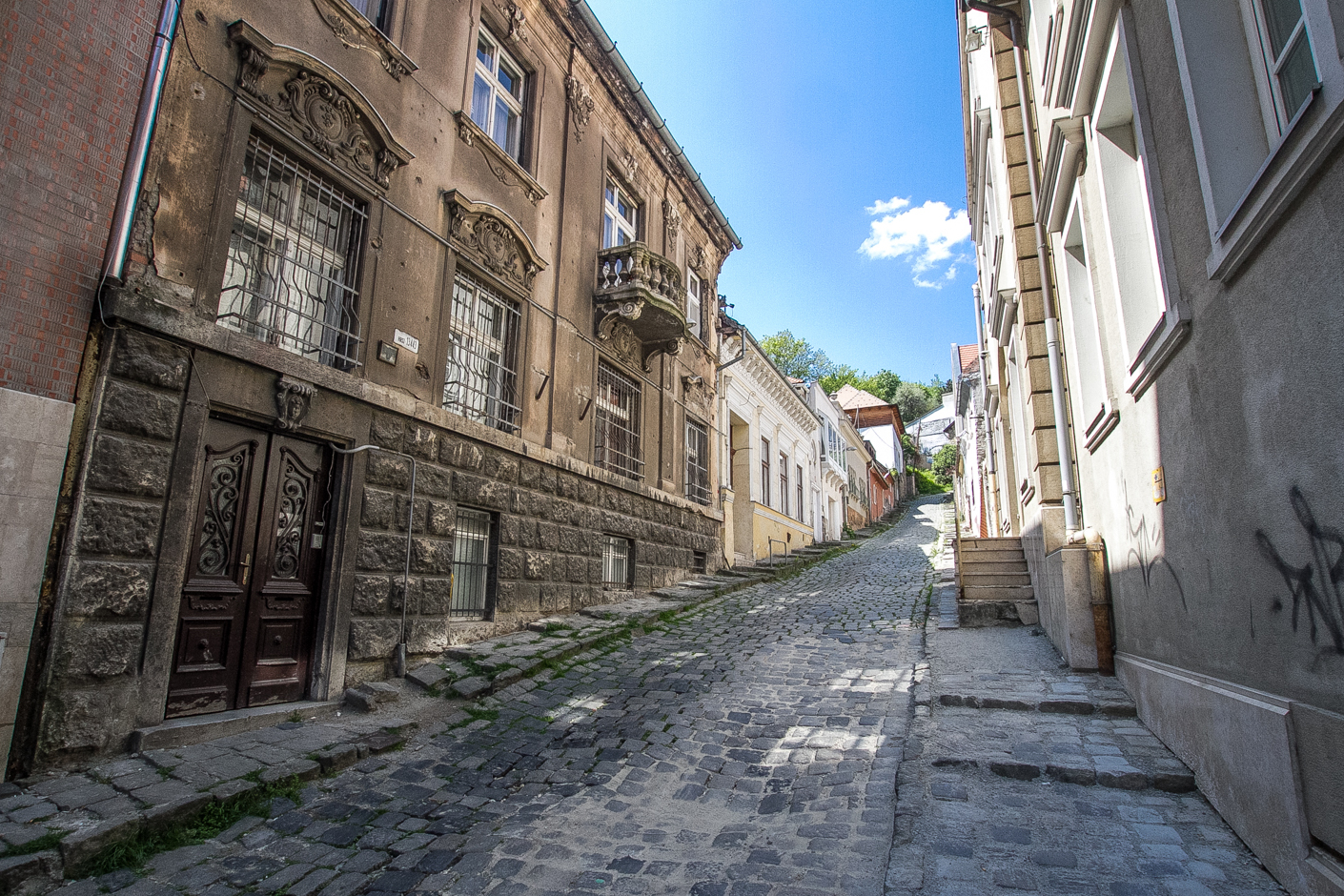

Nestled away from the bustling heart of Budapest, Gül Baba Street offers a unique glimpse into the city’s rich Ottoman heritage. Only those who seek it will find this narrow, steep cobblestone path, which is steeped in history and charm. This street stands as a testament to the era when Hungary was under Ottoman rule, from 1541 to 1686. It is named after Gül Baba, a revered Turkish holy man and poet of the Bektashi order, whose life and legacy are intertwined with this part of Budapest.

Born in 1520, Gül Baba is often credited with introducing the beauty of roses to Hungary, a symbol that remains significant in the culture today. Legend states that he passed away in 1541 in Budapest, and his tomb lies at the end of Gül Baba Street. This site has transformed into a museum and is now a notable Muslim pilgrimage destination, drawing visitors eager to pay their respects and learn about his profound impact on the area.
The architecture along Gül Baba Street reflects the Ottoman style, characterized by intricate tile work, arched doorways, and ornate stone carvings. The Gül Baba Tomb, a prominent feature at the street's end, is adorned with a striking dome and a tranquil garden, embodying the serene spirit of the place. The tomb is surrounded by lush greenery, making it a peaceful retreat from the urban landscape of Budapest.

Budapest's Ottoman influence extends beyond its architecture; local culture is rich with traditions that have evolved over centuries. While Gül Baba Street may not host grand festivals, the spirit of the past lingers in the air. It is common to see locals visiting the tomb, lighting candles, and leaving flowers, preserving the memory of Gül Baba and the era he represents.
In terms of gastronomy, while Gül Baba Street itself may not boast numerous eateries, the nearby neighborhoods offer a chance to indulge in traditional Hungarian cuisine. Try gulyás (goulash), a hearty soup made with beef, vegetables, and paprika, or langos, a deep-fried flatbread often topped with sour cream and cheese. Nearby cafés serve rich Hungarian pastries, such as dobos torte or kürtőskalács (chimney cake), adding to the culinary experience of your visit.
One lesser-known curiosity about Gül Baba Street is its steepness; it is often cited as one of the steepest streets in Budapest, making it an adventurous trek for visitors. As you walk up the cobblestones, take a moment to notice the quaint houses lining the street, many of which date back to the Ottoman era, each telling its own story through the faded paint and weathered bricks.
For those wishing to explore Gül Baba Street, the best time to visit is during the spring or early autumn when the weather is mild and the gardens bloom, reflecting Gül Baba’s association with roses. Comfortable walking shoes are a must, as the incline can be challenging, especially for those less accustomed to hilly walks.
Visitors should also take time to appreciate the stunning views of the Danube River and the Buda Hills from the street’s higher points, offering a picturesque backdrop to your journey. Don’t forget to bring a camera; the combination of historical significance and natural beauty makes for incredible photographs.
In sum, Gül Baba Street encapsulates a unique blend of history, culture, and architecture that is often overlooked by tourists. Its significance extends beyond its cobblestone path, inviting visitors to connect with the ancient past of Budapest. To immerse yourself in the hidden gems of this enchanting city, consider using the Secret World app to craft a personalized itinerary tailored to your interests.


