
← Back

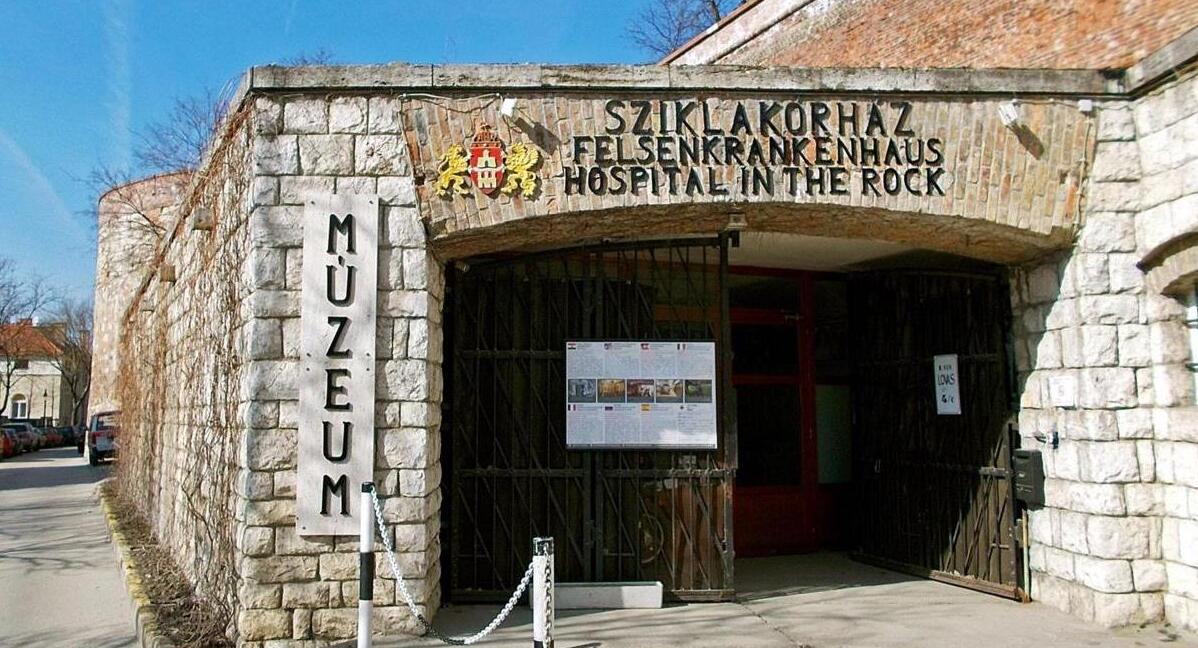
Under Buda Castle Hill, the Hospital in the rock

Budapest, Lovas út 4, 1012 Ungheria ★★★★☆ 1,037 views
Kajol Godrej
Budapest
🏆 AI Trip Planner 2026

Get the free app

Discover the best of Budapest with Secret World — the AI trip planner with 1M+ destinations. Get personalized itineraries, hidden gems and local tips. Free on iOS & Android.

🧠 AI Itineraries 🎒 Trip Toolkit 🎮 KnowWhere Game 🎧 Audio Guides 📹 Videos
Download on the App Store Get it on Google Play
Scan to download Scan to download
Under Buda Castle Hill, the Hospital in the rock - Budapest | Secret World Trip Planner

Tucked beneath the historic Buda Castle Hill, the Hospital in the Rock offers a captivating glimpse into Hungary's turbulent past. This underground network of tunnels and caves has a storied history that dates back to the Middle Ages when it was initially used for natural defense. Its true significance, however, emerged during World War II, when it transitioned into an emergency hospital and air raid shelter. The facility played a crucial role in treating both soldiers and civilians, standing resilient through the war’s chaos. The hospital was later reinforced to withstand a nuclear attack, reflecting the evolving threats of the 20th century. Today, it stands as a museum, providing a poignant insight into the resilience and ingenuity of the Hungarian people during some of their darkest hours.

### History and Origins The Hospital in the Rock originated long before the turmoil of the 20th century. Buda Castle Hill has been a strategic military site since the Roman Empire, with caves naturally formed by the area's limestone. The hospital itself dates back to 1944, when the need for a secure medical facility became apparent amidst the chaos of the war. In 1945, it was officially designated as a hospital, treating the wounded from both sides, and continued to serve in various capacities until the late 1980s, adapting to the geopolitical tensions of the Cold War.

### Art and Architecture Architecturally, the Hospital in the Rock is a remarkable blend of the natural and man-made. The caves' rugged limestone walls create a hauntingly beautiful backdrop, while the hospital sections are equipped with vintage medical equipment, including surgical instruments and beds. Visitors can find authentic wartime artifacts displayed throughout the tunnels, including photographs, medical supplies, and even personal items that tell stories of those who sought refuge within its walls. The stark contrast between the rough, natural cave formations and the clinical, utilitarian design of the hospital sections vividly illustrates the harsh realities of war and survival.

### Local Culture and Traditions The cultural significance of the Hospital in the Rock extends beyond its walls. It stands as a testament to the Hungarian spirit, embodying resilience and adaptability in times of crisis. The historical context it provides has influenced local customs, with Hungarians often reflecting on their history during commemorative events. One such event is March 15, the anniversary of the 1848 Revolution, when Hungarians celebrate their fight for independence and freedom, echoing the struggles faced by those treated in the hospital.

### Gastronomy While visiting the Hospital in the Rock, one cannot overlook the vibrant culinary scene that envelops Budapest. Traditional dishes like gulyás (goulash), a hearty stew, and halászlé (fisherman’s soup) are staples that connect to the city's history of resilience. Pair these dishes with a glass of Tokaji wine, renowned for its sweet, rich flavor, or a shot of palinka, a traditional fruit brandy, to truly immerse yourself in local culture. The flavors of Budapest reflect the city’s storied past, offering a delicious way to connect with its heritage.

### Lesser-Known Curiosities Many visitors to the Hospital in the Rock miss its intriguing backstory. For instance, the facility was designed to function as a hospital in complete darkness, a necessity during air raids. The hospital had its own water supply and ventilation system, showcasing the ingenuity of its creators. Additionally, some reports suggest that a secret tunnel connected the hospital to the Buda Castle, allowing for discreet movement of patients and medical staff. The hospital’s existence remained largely unknown until the 1990s, when it was finally opened to the public as a museum.

### Practical Visitor Information The best time to visit the Hospital in the Rock is during the spring and fall when the weather in Budapest is mild and pleasant. It’s advisable to book tickets in advance, especially during peak tourist seasons, to avoid long waits. While exploring, be sure to take note of the original medical equipment displayed in the chambers, and don’t miss the guided tours that provide further insights into the hospital's history. Photography is allowed, but be respectful of the somber nature of the site.

As you wander through the tunnels, you’ll feel the weight of history pressing down, a visceral reminder of the resilience that has defined Budapest through the ages. For a personalized experience that captures the essence of this remarkable city, consider using the Secret World app to plan your itinerary.

🗺 AI Trip Planner

Plan your visit to Budapest

Suggested itinerary near Under Buda Castle Hill, the Hospital in the rock

MAJ+
500.000+ travelers worldwide
  1. 🌅
    Morning
    Under Buda Castle Hill, the Hospital in the rock
    📍 Budapest
  2. ☀️
    Afternoon
    Matthias Church
    📍 0.2 km da Budapest
  3. 🌆
    Evening
    A fairytale castle in Budapest: the Fisherman’s Bastion
    📍 0.3 km da Budapest

Buy Unique Travel Experiences

Powered by Viator

See more on Viator.com

Explore nearby · Budapest
