
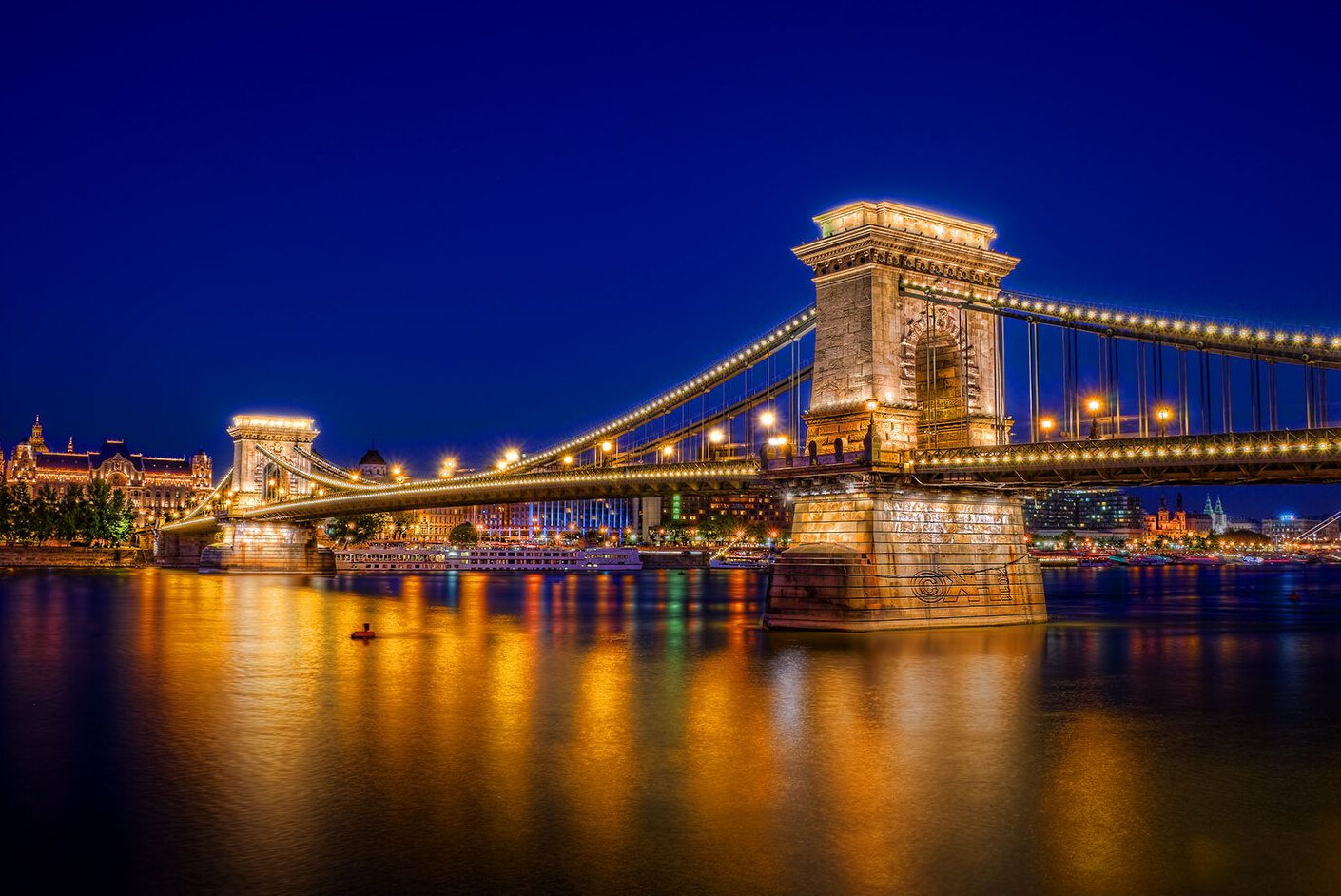

The Széchenyi Chain Bridge is more than just a bridge; it’s a symbol of Budapest's rich history and culture. Spanning the Danube River, it connects Buda and Pest, the two sides of Hungary's vibrant capital. This suspension bridge, designed by English engineer William Tierney Clark, was inaugurated in 1849 as the first permanent bridge across the Danube in Hungary, marking a significant milestone in the country’s infrastructure and connectivity.
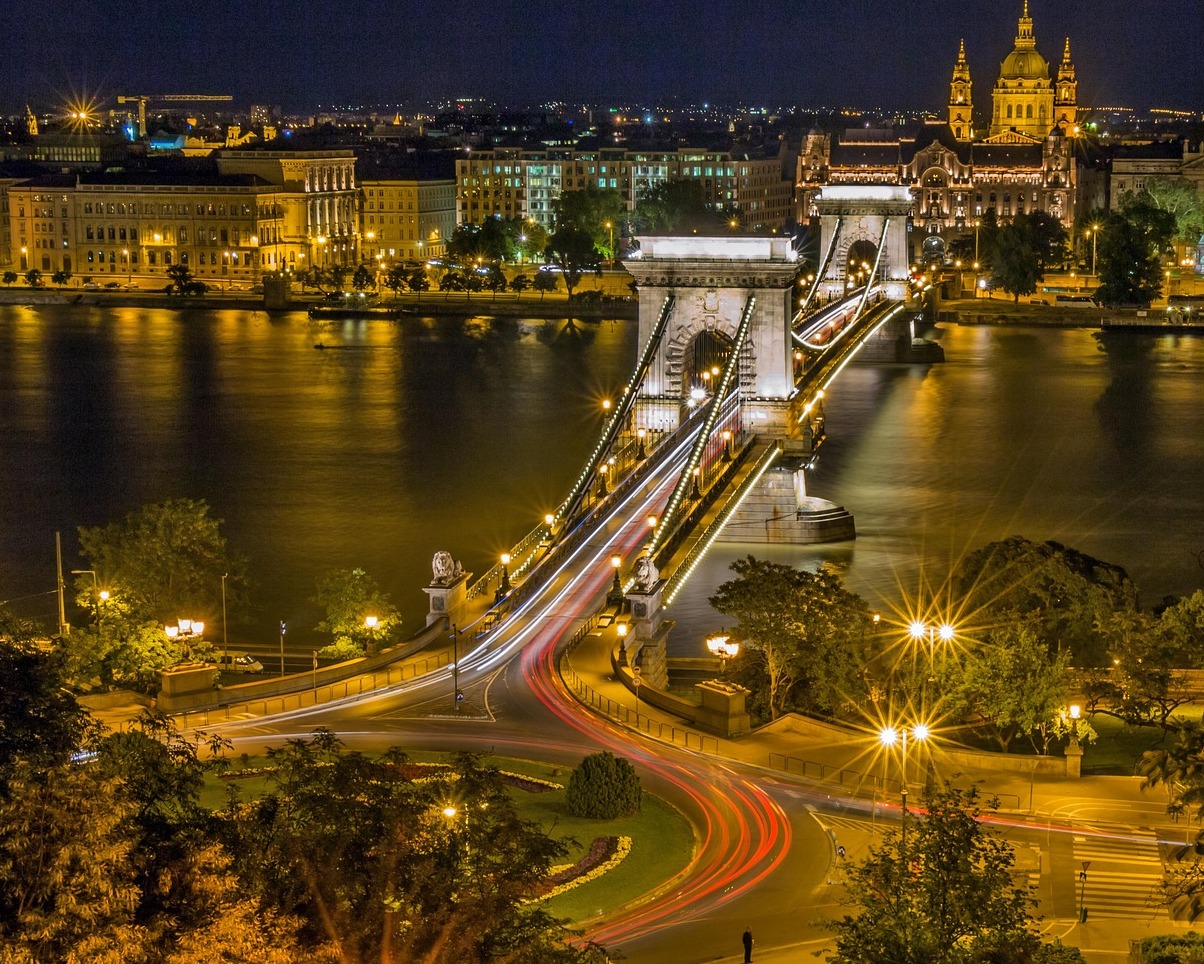
History and Origins The story of the Széchenyi Chain Bridge begins long before its construction. The Danube has been a vital route for trade and transportation since ancient times, with several temporary crossings existing prior to the bridge. The demand for a permanent structure became evident in the late 18th century, fueled by the vision of Hungarian statesman István Széchenyi, after whom the bridge is named. Széchenyi championed the project, believing that a bridge would facilitate commerce and cultural exchange between the two sides of the city.
Construction began in 1839, and despite challenges—including the devastating floods of 1838—the bridge was completed in 1849. It became a symbol of national pride and resilience, especially during the Hungarian Revolution of 1848 against Austrian rule. The bridge not only transformed Budapest’s landscape but also its economy, enabling easier access and movement between Buda and Pest.
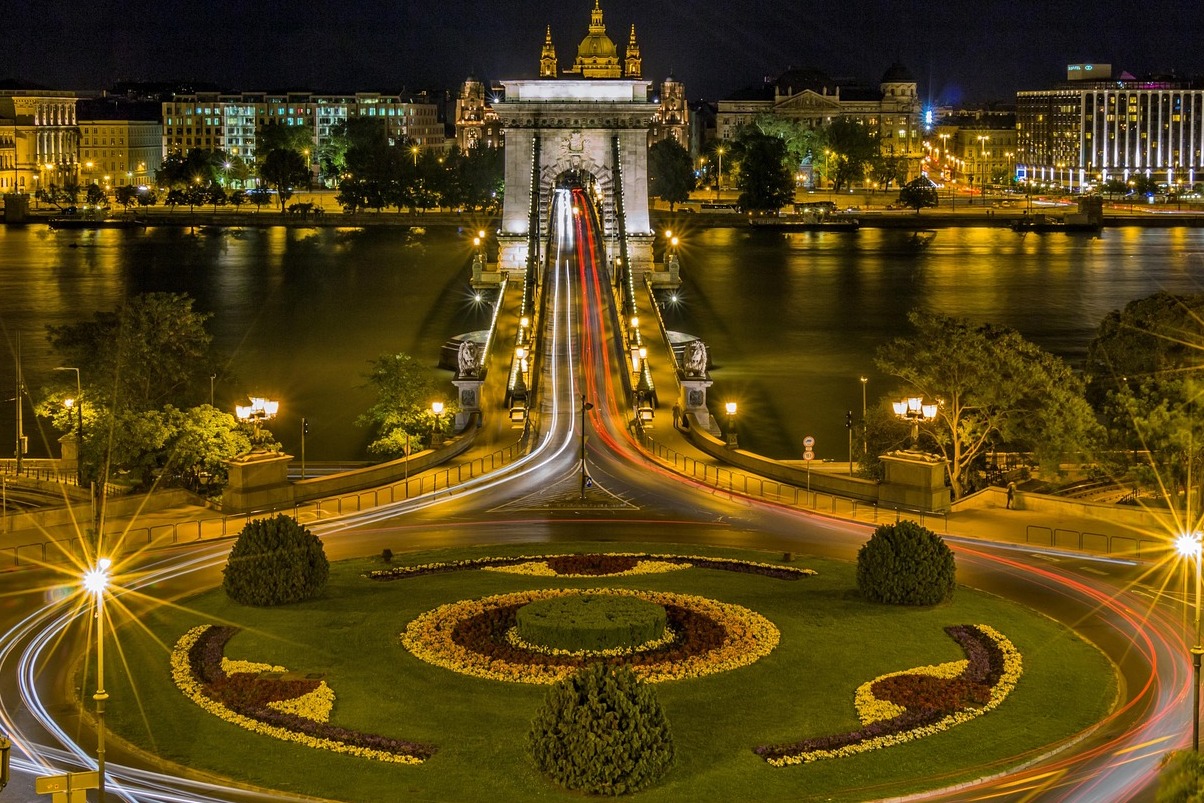
Art and Architecture The Széchenyi Chain Bridge is a stunning example of neoclassical architecture. Spanning 373 meters, its majestic stone towers and suspended chains create an impressive silhouette against the backdrop of the Danube. The bridge is adorned with sculptures of lion statues at both ends, guarding the entrances and adding an artistic flair to the structure. These lions, designed by sculptor János Marschalkó, are a beloved feature, often photographed by visitors.
The bridge’s elegant design combines functionality with aesthetic appeal. The use of iron chains was a groundbreaking innovation at the time, lending the structure both strength and beauty. As you walk across the bridge, take a moment to appreciate the intricate details and craftsmanship that went into its construction, reflecting the artistic spirit of 19th-century Hungary.
Local Culture and Traditions The Széchenyi Chain Bridge is more than just a functional structure; it plays a vital role in the cultural life of Budapest. Every New Year, locals gather to celebrate on and around the bridge, with fireworks illuminating the night sky. Additionally, the annual Budapest Spring Festival often features events that spotlight the bridge’s significance, showcasing local artists and musicians.
The bridge is also a popular spot for romantic strolls, particularly at sunset when the city lights reflect on the water, creating a magical atmosphere. Whether it’s a couple sharing a quiet moment or a family capturing memories, the bridge serves as a backdrop for countless stories and experiences.
Gastronomy No visit to the Széchenyi Chain Bridge is complete without indulging in some local flavors. The nearby Vörösmarty Square boasts a plethora of cafes and restaurants where you can savor traditional Hungarian dishes. Be sure to try goulash, a hearty beef stew seasoned with paprika, or langos, a deep-fried dough topped with sour cream and cheese.
For something sweet, indulge in a slice of Dobos torte, a layered sponge cake, or chimney cake (kürtőskalács), a popular street food that’s crispy on the outside and soft on the inside. Pair your meal with a glass of Tokaji wine, a renowned Hungarian dessert wine that perfectly complements the rich flavors of the local cuisine.
Lesser-known Curiosities While many are aware of the bridge’s historical significance, fewer know that it was once the only way to cross the Danube until the construction of the Margaret Bridge in 1876. Additionally, the bridge was closed to traffic during World War II, and although it suffered damage, it was meticulously restored after the war, with the original plans being used for its reconstruction.
Another intriguing fact is that the bridge’s chains were manufactured in England, which highlights the international collaboration involved in its creation. Walking across, you may notice small plaques dedicated to the bridge’s history, offering insights that many tourists overlook.
Practical Visitor Information The best time to visit the Széchenyi Chain Bridge is during the spring and early autumn when the weather is mild, and outdoor festivals are in full swing. Early mornings or late afternoons provide a quieter experience, allowing you to soak in the views without the crowds.
When visiting, be sure to take a leisurely stroll across the bridge, taking note of the stunning perspectives of the Buda Castle and the Parliament building from its span. Bring your camera to capture the breathtaking scenery, and consider visiting nearby attractions such as the Buda Castle and the Fisherman’s Bastion.
Whether you’re drawn by its architectural beauty, historical significance, or local culture, the Széchenyi Chain Bridge is a quintessential part of Budapest’s charm. Planning your journey to this iconic landmark is easy and can be personalized using the Secret World app for a unique itinerary tailored just for you.


