
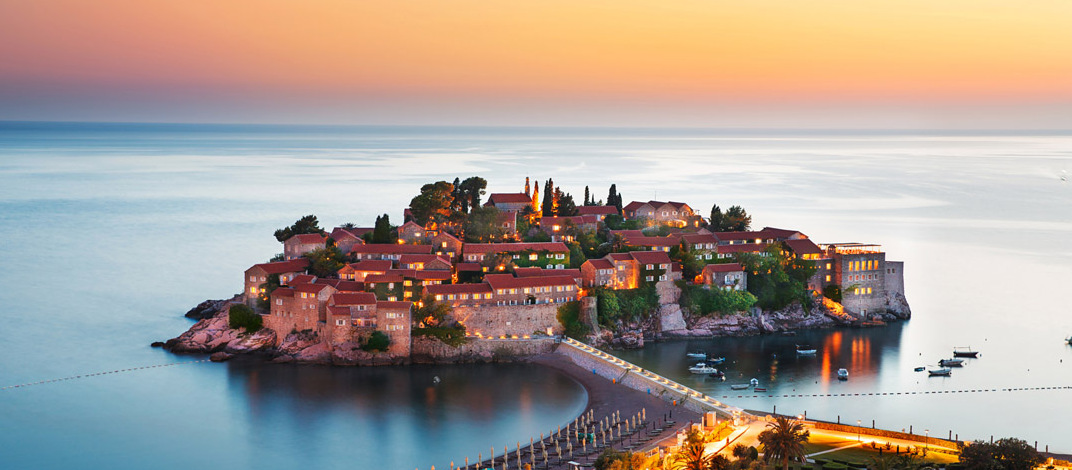

St. Stephen, a picturesque fairy-tale town in Santo Stefano, Montenegro, beckons travelers with its rich history, stunning architecture, and vibrant culture. Nestled on a small island connected to the mainland by a narrow causeway, this town is a gem of the Adriatic coast. Its origins trace back to the 15th century when it was established as a fishing village. The island was fortified to protect against pirates and invaders, showcasing the resilience of the local community throughout history. Notable historical events include the Ottoman Empire's influence in the region and the town's transformation into a luxurious resort destination in the 20th century. Today, St. Stephen is recognized not only for its beauty but also for its unique city-hotel concept, where visitors can immerse themselves in the rich heritage of the area.
The architecture of St. Stephen is a captivating blend of Mediterranean and Byzantine styles. The town is characterized by its red-roofed stone houses adorned with lush greenery, cobblestone streets, and charming courtyards. Key architectural highlights include the Church of St. Stephen, dating back to the 12th century, which features exquisite frescoes and a serene atmosphere that invites introspection. This church is a testament to the town's artistic significance, as it has served as a gathering place for locals and tourists alike, reflecting the spiritual heritage of the community.
Cultural traditions thrive in St. Stephen, with various festivals celebrating its maritime heritage and local customs. One of the most notable events is the Feast of St. Stephen, celebrated in early August, where the community gathers for traditional music, dance, and a display of local gastronomy. Visitors can expect to see local artisans showcasing their crafts, from intricate lacework to pottery, reflecting the creativity and dedication of the Montenegrin people. These cultural experiences provide insight into the region's identity and allow tourists to engage with locals.
When it comes to gastronomy, St. Stephen offers a delightful array of local flavors. Visitors should not miss trying pršut, a type of cured ham that is a staple of Montenegrin cuisine, often accompanied by cheese and olives. The region is also known for its fresh seafood, particularly grilled fish and squid, served with seasonal vegetables. For those with a sweet tooth, torta is a must-try dessert, a traditional cake made with walnuts and honey. To wash it all down, sample local wines such as Vranac, a red wine that embodies the rich terroir of Montenegro.
While St. Stephen has gained fame as a tourist hotspot, there are intriguing lesser-known curiosities that enrich its charm. The island was once home to fishermen and farmers, whose descendants still inhabit the area. A fascinating story involves the island’s fortifications, which, though largely hidden from view, tell tales of the town's strategic importance during turbulent times. Additionally, the narrow causeway connecting the island to the mainland is said to be a romantic spot for couples, particularly at sunset when the town glows in golden hues.
For those planning a visit, the best time to explore St. Stephen is during the late spring and early autumn months when the weather is pleasant, and the crowds are fewer. Be sure to wear comfortable shoes for navigating the cobblestone streets and take your time to soak in the serene ambiance. Look out for local artisans and their crafts, as well as local eateries that offer an authentic taste of the region.
In conclusion, St. Stephen is not just a destination; it is an experience that captures the heart and soul of Montenegro. From its rich history and stunning architecture to its vibrant culture and delicious gastronomy, this fairy-tale town invites you to create memories that will last a lifetime. For a personalized itinerary that captures the essence of Santo Stefano, consider using the Secret World app.


