
The Camargue is not just a geographical wonder; it is a living tapestry of history, culture, and breathtaking natural beauty. As the largest river delta in Western Europe, this unique region offers visitors an enchanting glimpse into a world that feels both ancient and timeless.
### History and Origins
The Camargue’s origins stretch back to ancient times. Formed by the confluence of the Rhone River as it meets the Mediterranean Sea, its landscape has been shaped over millennia by both nature and human activity. The Romans recognized the strategic importance of this delta, establishing settlements in the region as early as the 1st century BC. They utilized the fertile lands for agriculture, particularly rice and grain, and engaged in trade through the waterways.
In the Middle Ages, the Camargue transformed into a sanctuary for various communities, including the Gitanos (Spanish Romani), who brought their own vibrant culture to the area. Key historical events, such as the Camargue's defense during the Hundred Years' War, highlight its significance as a bastion for various peoples throughout history. The delta has always been a place of refuge and resilience, where the natural environment has shaped human endeavors.
### Art and Architecture
The architectural style of the Camargue reflects its rich cultural heritage. Traditional mas (farmhouses) built from local materials dot the landscape, showcasing the region's rustic charm. These structures often feature low roofs and whitewashed walls, merging seamlessly with the surrounding environment.
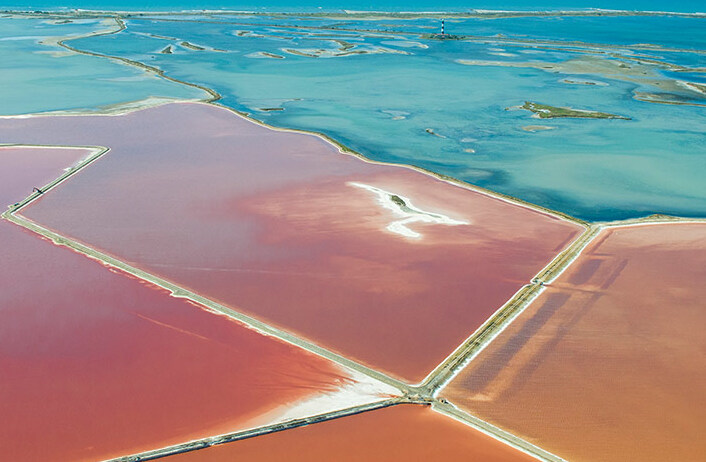
Artistic significance comes alive in the works of local artists like Frédéric Mistral, a poet and Nobel laureate who celebrated the Camargue's beauty and culture in his writings. The unique interplay of light and color in this delta has inspired countless painters and photographers, drawn to capture the striking pink and red hues of the salt flats, especially during sunset.
### Local Culture and Traditions
Camargue culture is deeply intertwined with its natural surroundings. The region hosts several traditional festivals, the most famous being the Feria de Beaucaire held each July. This vibrant celebration pays homage to the region's bullfighting tradition, with parades, music, and traditional dances, embodying the spirit of the Camargue people.
The local customs, such as the course camarguaise, offer a unique twist to bullfighting. Here, participants attempt to snatch a prize from the horns of the bull while preserving its dignity, reflecting a deep respect for these formidable animals. The presence of the Camargue white horses and black bulls is emblematic of the region’s identity, blending seamlessly with the myths and stories passed down through generations.
### Gastronomy
The Camargue is also a culinary treasure trove. The region is renowned for its unique flavors, particularly rice cultivated in the delta's fertile soil. Camargue rice has a distinctive nutty taste and is often served with local dishes, including bull stew (daube de boeuf) and seafood caught fresh from the Mediterranean.
Another local specialty is salicornia, a salty edible plant that thrives in the marshes and adds a unique flavor to salads and seafood dishes. For those with a sweet tooth, fougasse — a traditional sweet bread — is a must-try, often enjoyed during local festivals. Pair these delights with a glass of rosé wine from the nearby vineyards, and you have a true taste of the Camargue.
### Lesser-Known Curiosities
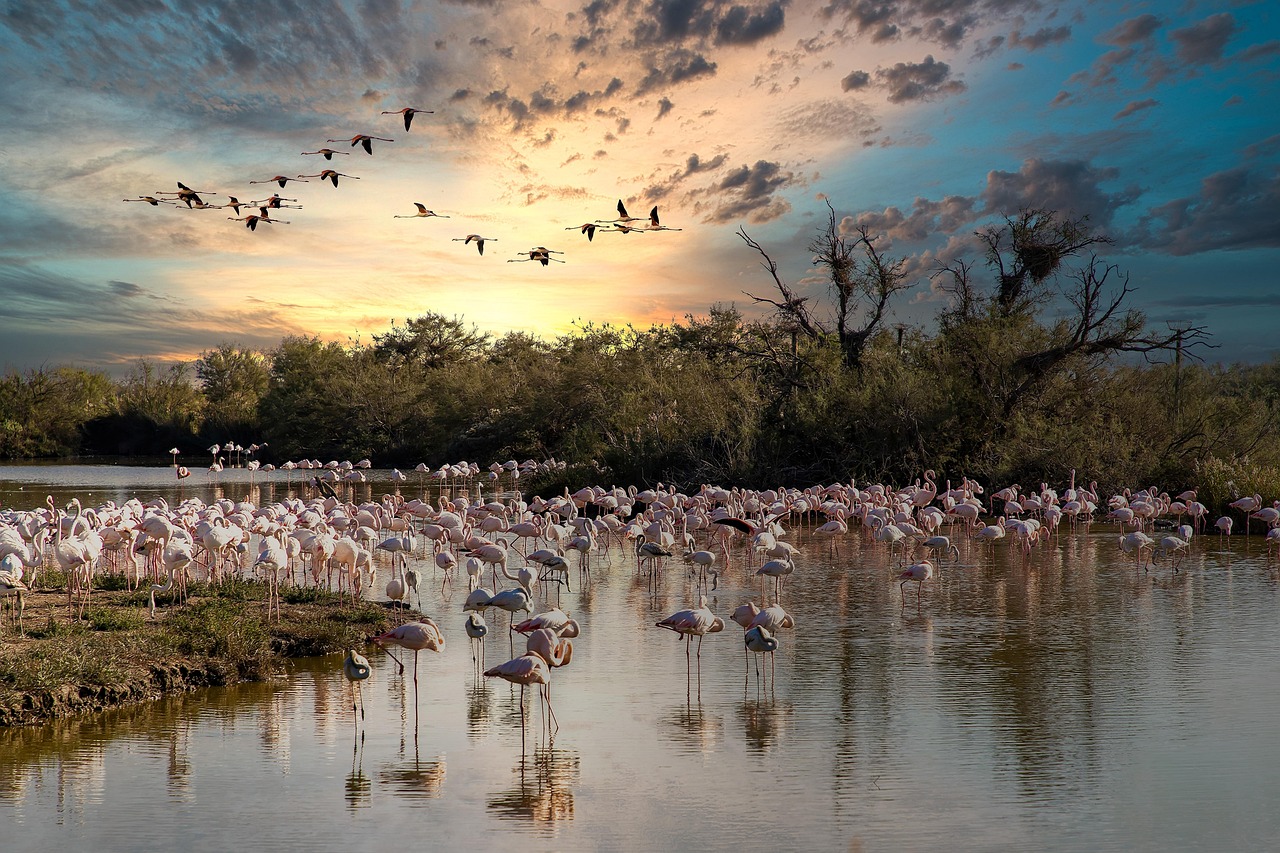
While many visitors flock to see the famed pink flamingos, fewer know about the Camargue’s rich biodiversity. The area is home to over 400 species of birds, making it a paradise for birdwatchers. The unique salt flats not only create a stunning visual spectacle but also serve as crucial breeding grounds for these avian inhabitants.
Moreover, hidden within the marshes are the ancient Roman ruins of Aigues-Mortes, a fortified town that played a key role in the Crusades. Its well-preserved ramparts and historical significance often go unnoticed by tourists, offering a glimpse into the past just a short drive from the delta’s more famous attractions.
### Practical Visitor Information
The best time to visit the Camargue is during the spring (April to June) and early autumn (September to October). These seasons provide mild weather and an abundance of wildlife activity, particularly during migration periods when the flamingos and other birds are most visible.
When exploring, consider taking a guided tour to fully appreciate the ecological and cultural narratives of the region. Don’t forget to bring binoculars for birdwatching and a camera to capture the stunning landscapes, especially the vibrant salt flats.
For those looking to delve deeper into the local experience, make sure to seek out smaller, family-run establishments for authentic cuisine. Engaging with local artisans can also provide insight into the crafts and traditions that define this remarkable region.
With its breathtaking landscapes, rich history, and unique cultural customs, the Camargue invites exploration and discovery at every turn. For a personalized experience tailored to your interests, consider using the Secret World app to plan your itinerary.