
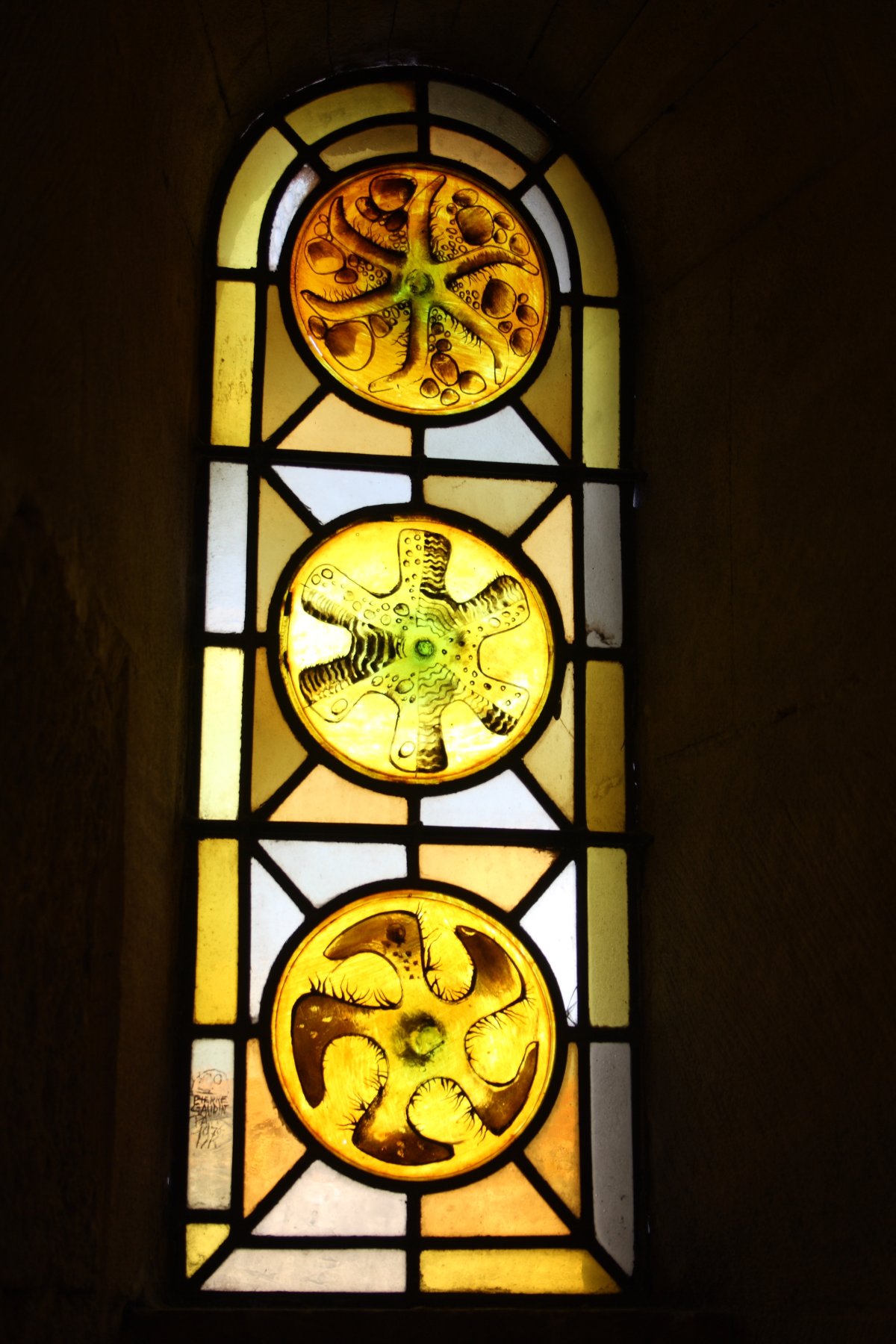

In the heart of the historic city of Arles, in France, there is an architectural gem that often escapes the attention of tourists. The Cloister of Saint Trophime, a Romanesque marvel, offers a unique and tranquil experience, away from the hustle and bustle of the city's more famous attractions. This place, once part of the monastery dedicated to Saint Trophime, is an invitation to immerse oneself in an atmosphere of serenity and contemplation.
Arles, famous for its connections to Vincent van Gogh and its Roman heritage, boasts a rich history that is also reflected in the Cloister. Here, visitors can appreciate the architectural beauty and artistic details that tell stories of centuries past. The Cloister of Saint Trophime is a place where time seems to stand still, allowing one to savor the essence of an era that has shaped Provence.
Romanesque Architecture: A Work of Art
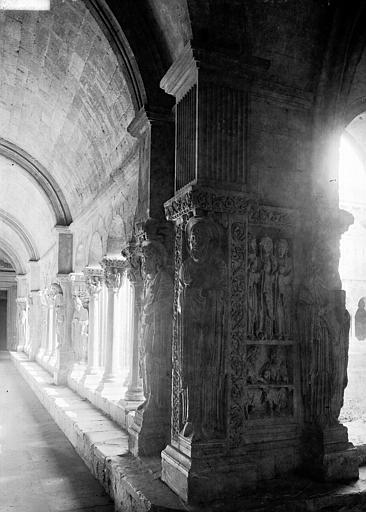
The Cloister of San Trofimo is an extraordinary example of Romanesque architecture, characterized by simple and sturdy lines, imposing arches, and decorations carved with great skill. Founded in the 12th century, the structure is a perfect example of the Provençal Romanesque style, which combines local elements with broader influences. The massive pillars and finely decorated columns create an atmosphere of solidity and grace.
Inside the cloister, visitors can admire the carved capitals, each representing a unique scene, ranging from plant motifs to biblical figures. These artistic details offer a fascinating glimpse into the life and spirituality of the medieval era. As one strolls along the cloister's corridor, it is easy to imagine monks moving silently, immersed in meditation and prayer.
A Quiet Retreat in the Heart of Arles
Unlike the more crowded places in Arles, such as the Amphitheater or the Church of Saint Trophime, the Cloister offers a refuge of tranquility. Here, the sound of passersby is muffled, and the atmosphere is permeated by a sense of peace. This makes the cloister an ideal place for personal reflections or simply to take a break from the hustle and bustle of daily life.
Many visitors come here to contemplate the beauty of the place, finding inspiration in its architecture. The natural light filtering through the openings of the cloister creates plays of light and shadow that dance on the walls, adding an extra layer of beauty to the already fascinating structure. Sitting on a bench and watching the change of light throughout the day is an experience that allows one to connect with the essence of Arles.
A Journey Through Time and History
Visiting the Cloister of San Trofimo means taking a journey through time, rediscovering the history of Arles through architecture and art. The cloister is not only a place of visual beauty but also an important historical site. It was here that events of crucial importance for the religious and cultural community of Provence took place over the centuries.
Over the years, the Cloister has hosted numerous cultural and artistic events, keeping alive the tradition of a place dedicated to spirituality and art. Its significance as a historical heritage has allowed it to be preserved, enabling future generations to immerse themselves in the history and culture of Arles. Every visit is an opportunity to appreciate and understand the architectural and spiritual evolution of this fascinating city.


